



What this bulletin covers
The bulletin is a working guide for people who need parts that fit first time and keep equipment running through busy service. We cover common issues on ovens, fryers and dishwashers, from weak heating and sticky switches to worn door seals and burner faults, so you can narrow down the right part without wasting time.
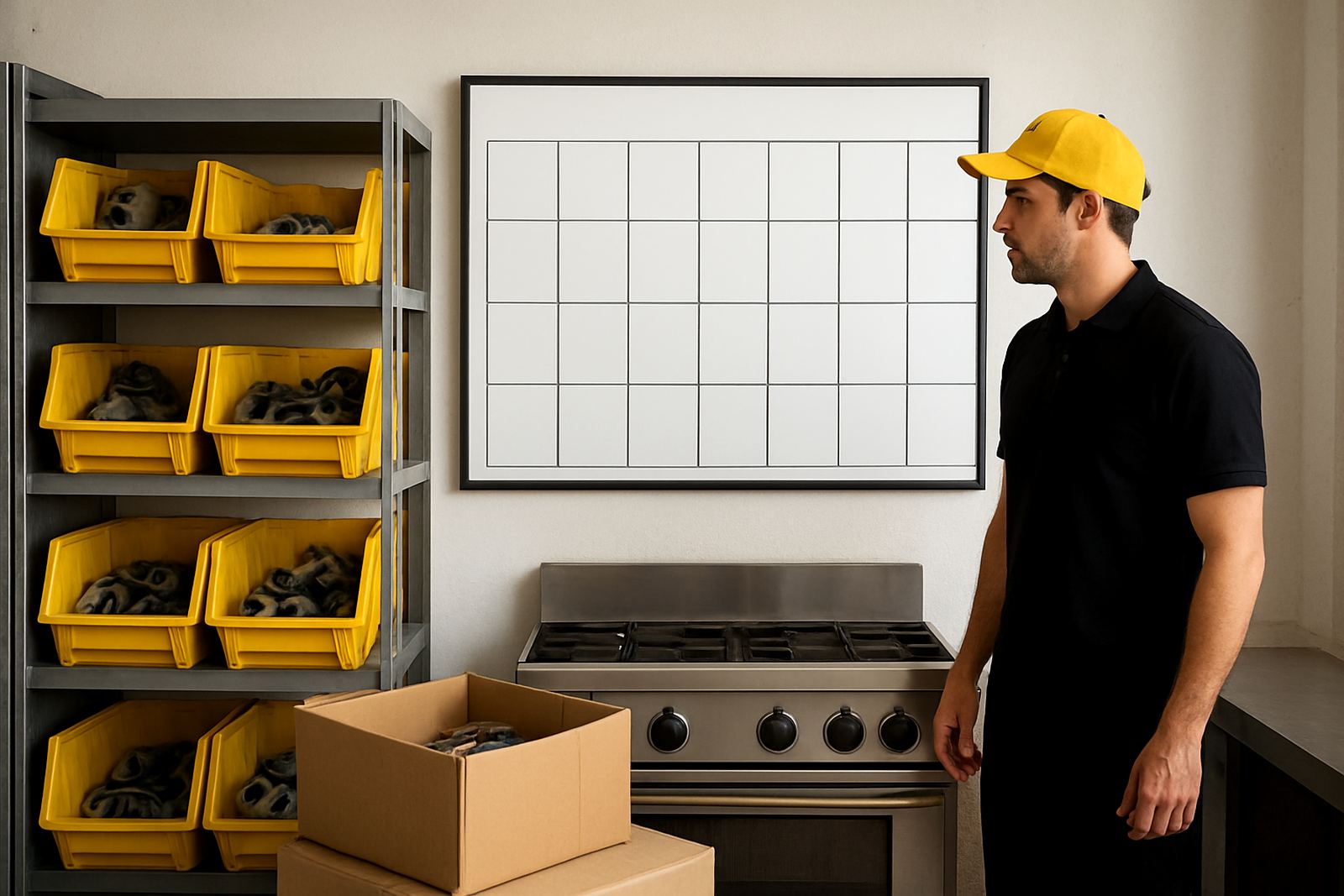
Foodservice kitchens in Johannesburg, Pretoria, Durban, Cape Town and Bloemfontein all face different wear patterns. Coastal humidity can affect terminals and seals, while inland kitchens often see more dust, heat stress and long hours under load-shedding. The notes here are written for those conditions, not for ideal lab settings.
How to choose the right part before you order
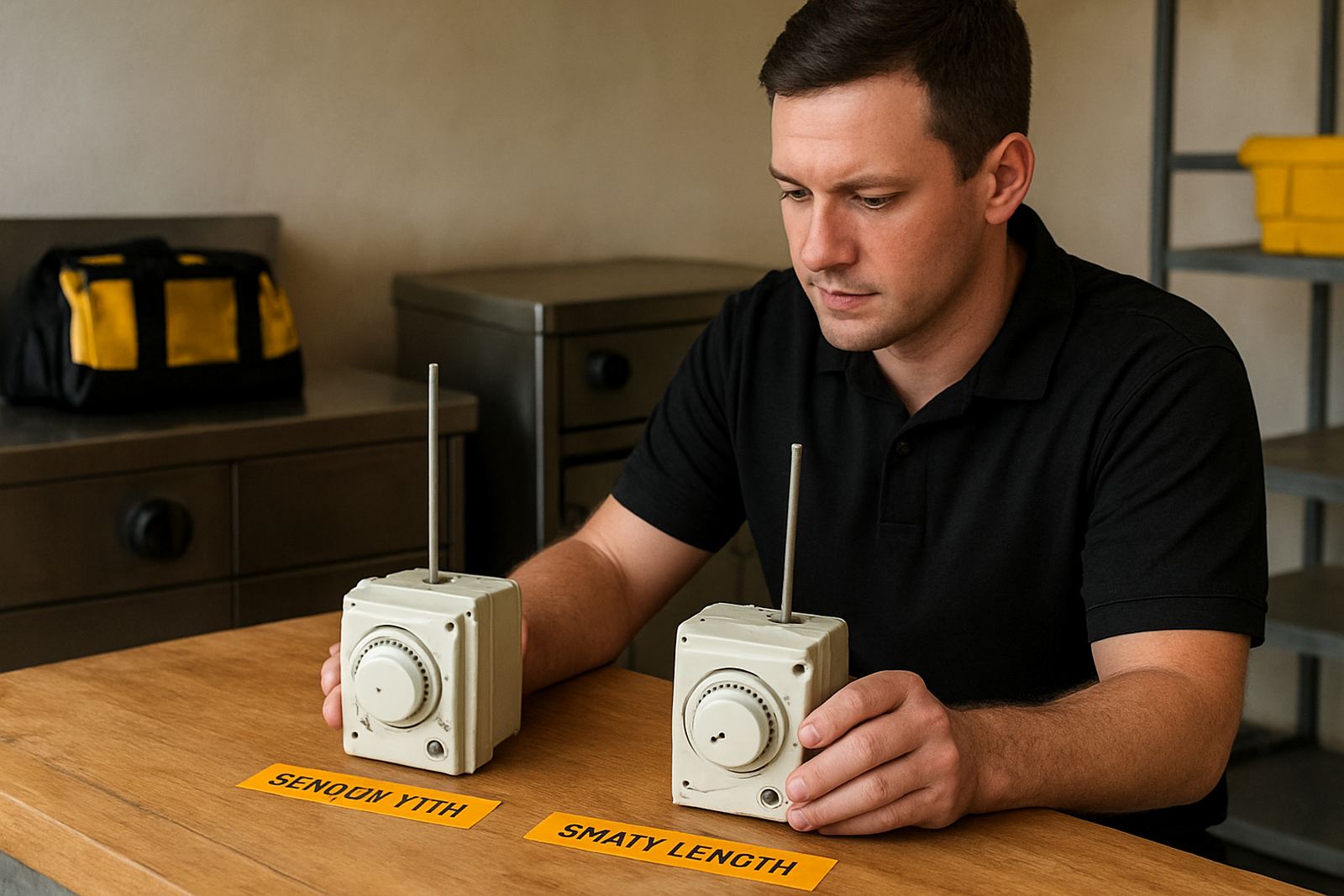
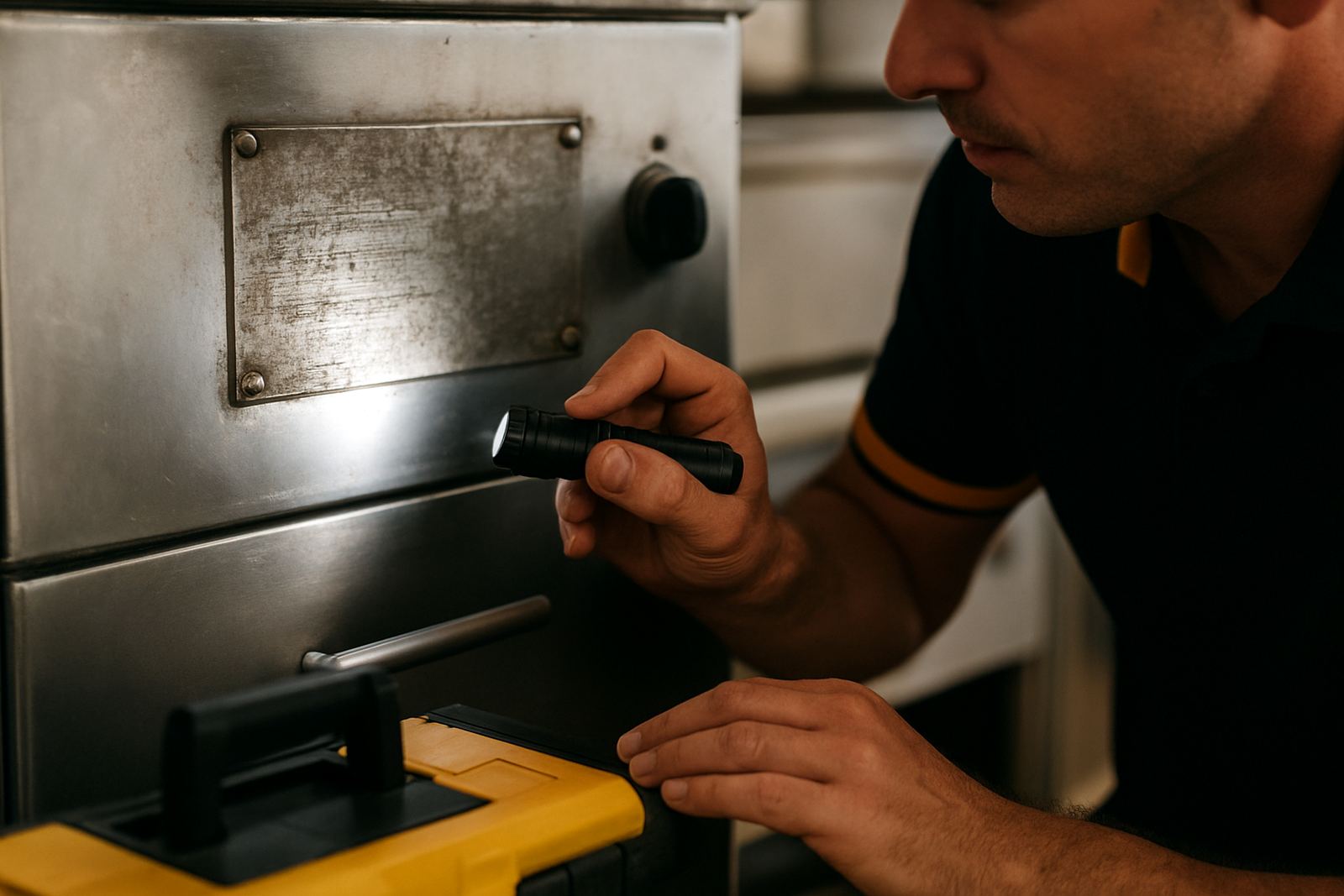
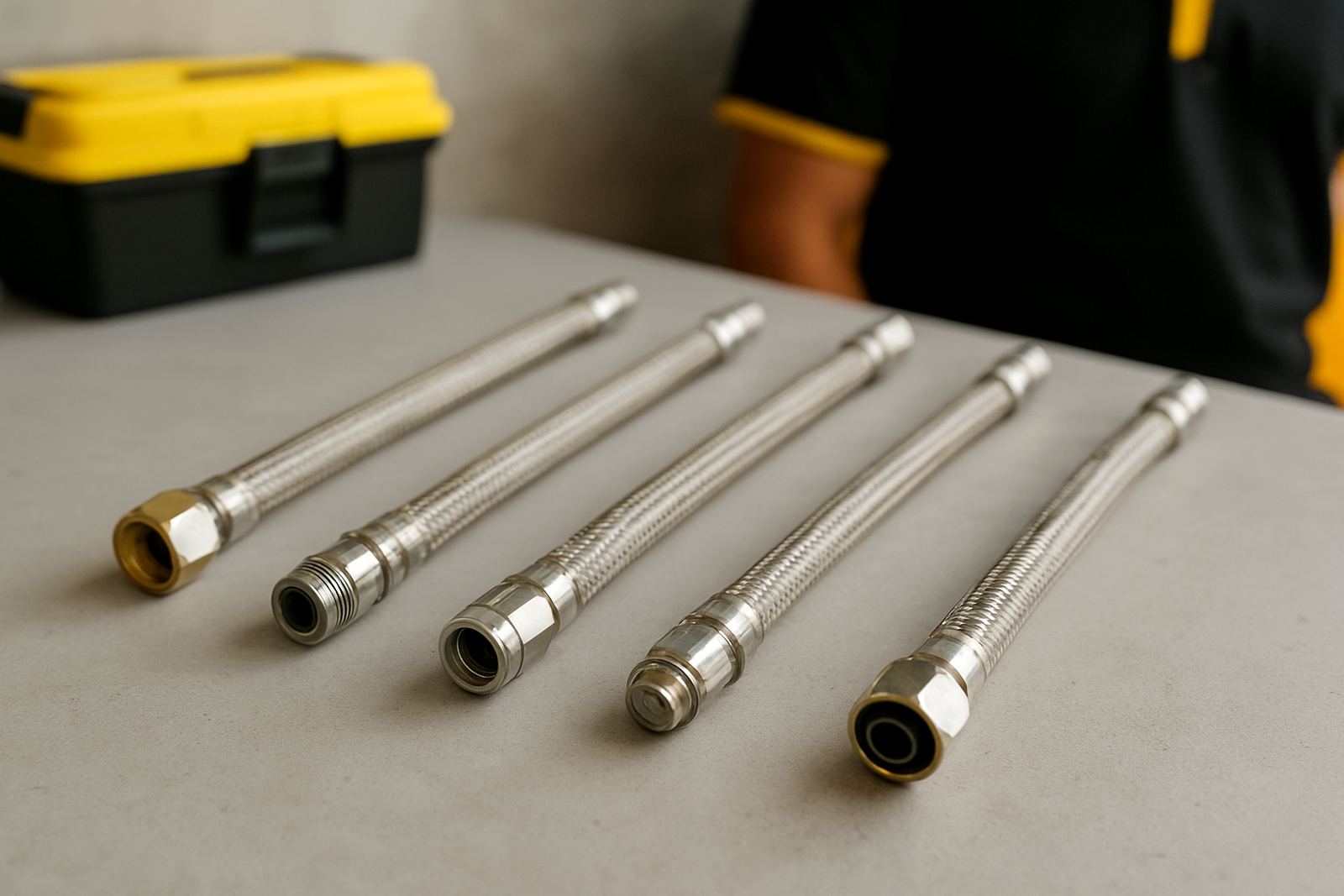
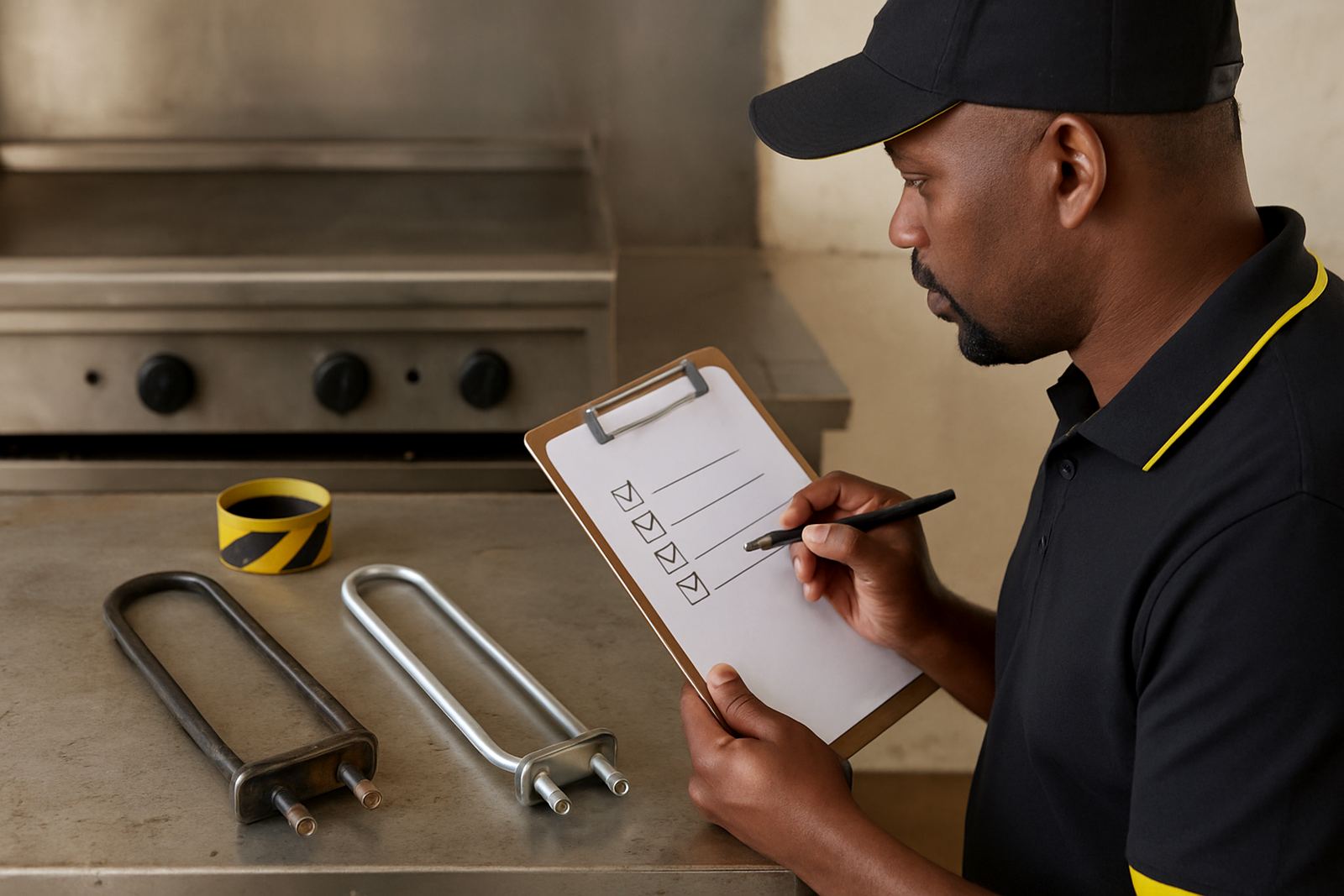
Start with the equipment type, the serial plate details and the fault you are seeing. A thermostat that is fine for one oven model may not suit another, and the same goes for fryer elements, dishwasher pumps and switch panels. If a part has a shape, rating, length or connection style, match all of it before you commit.
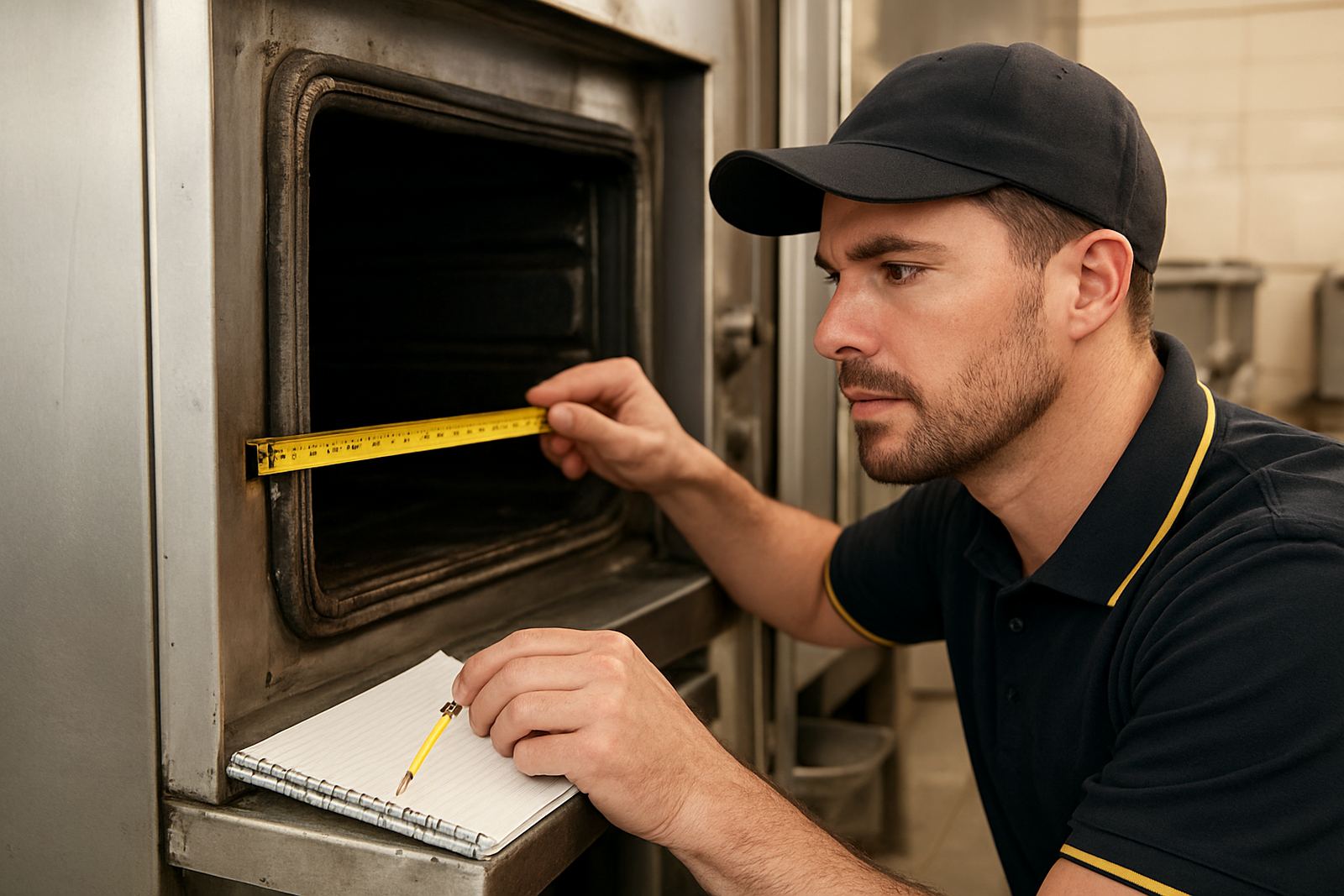
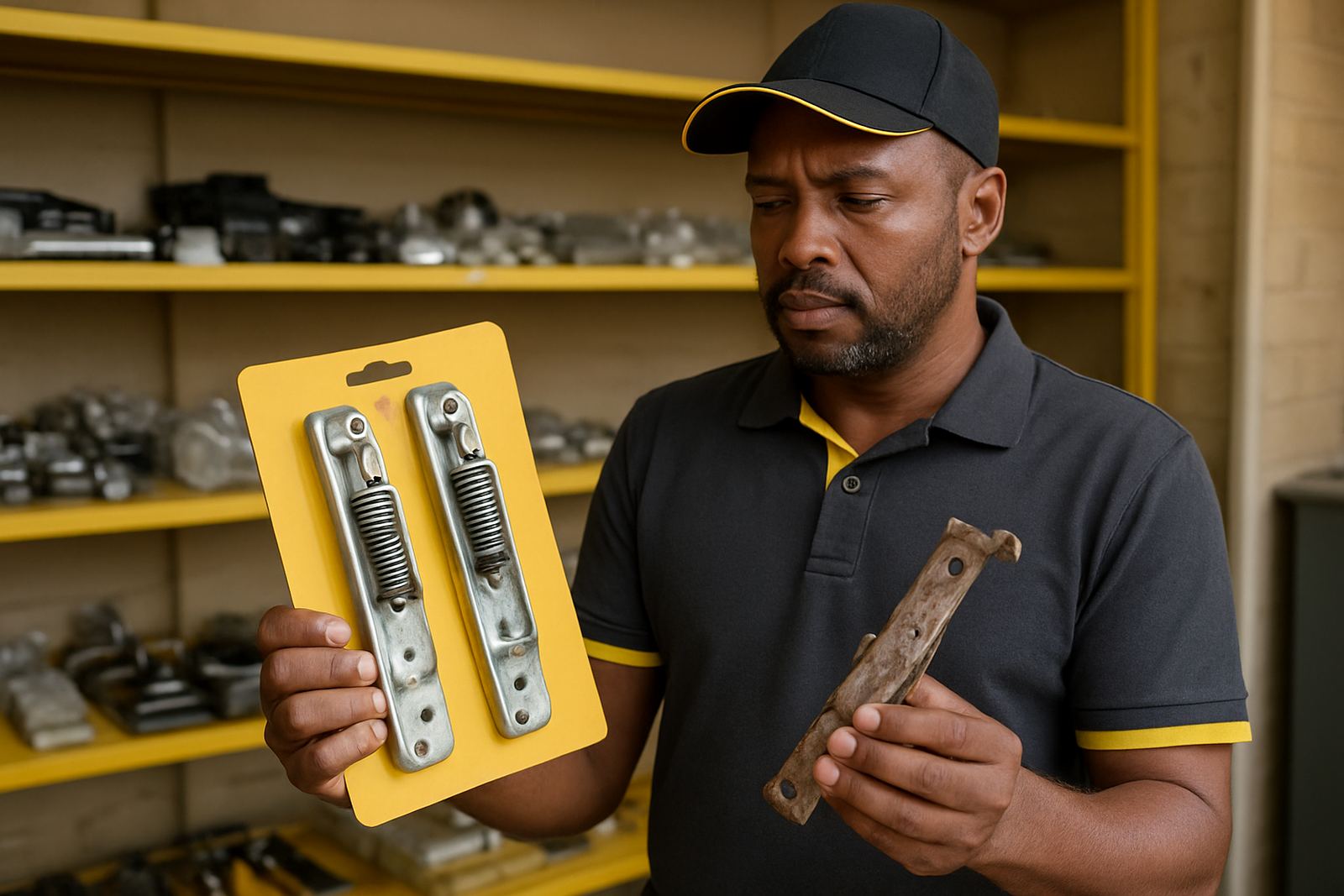
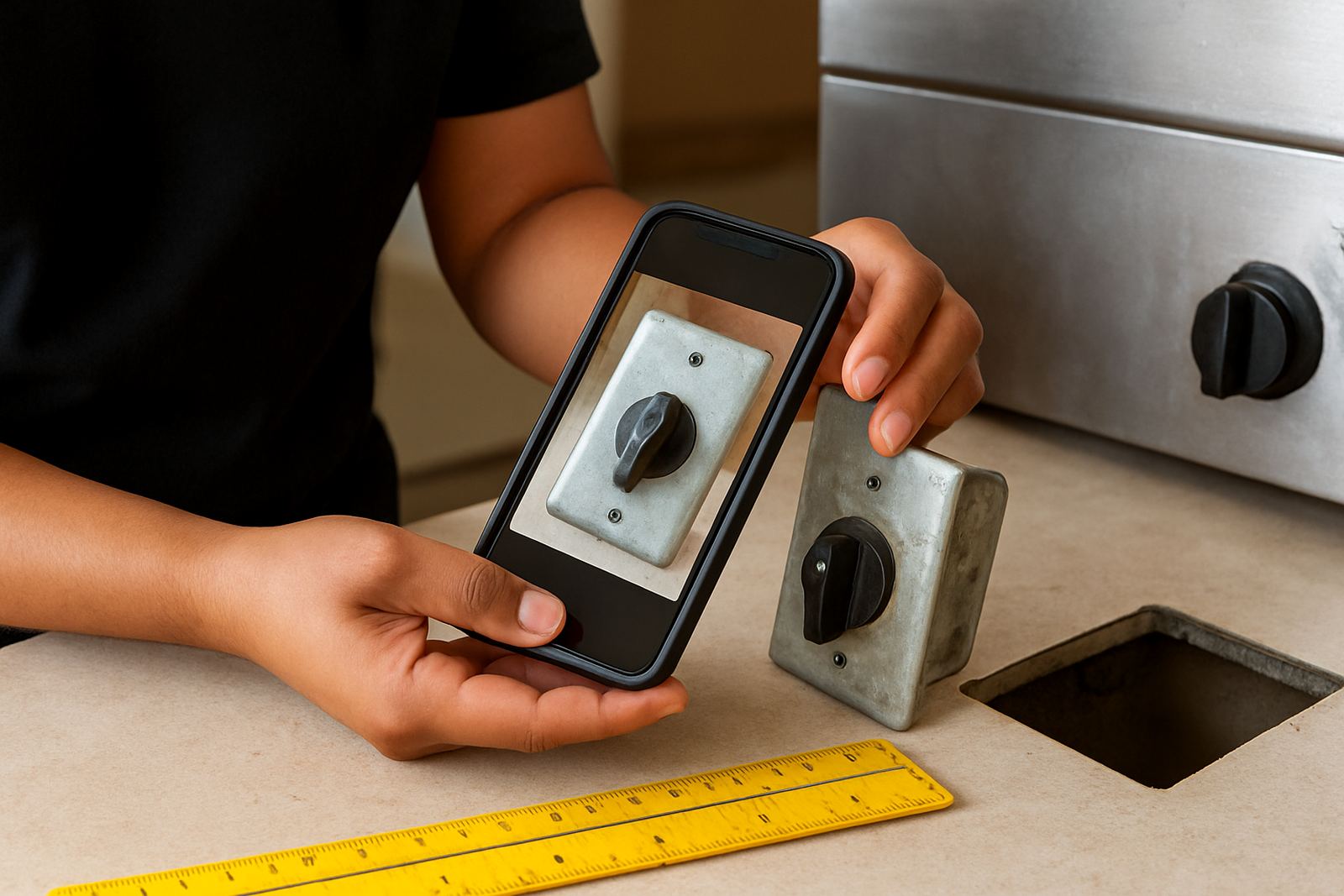
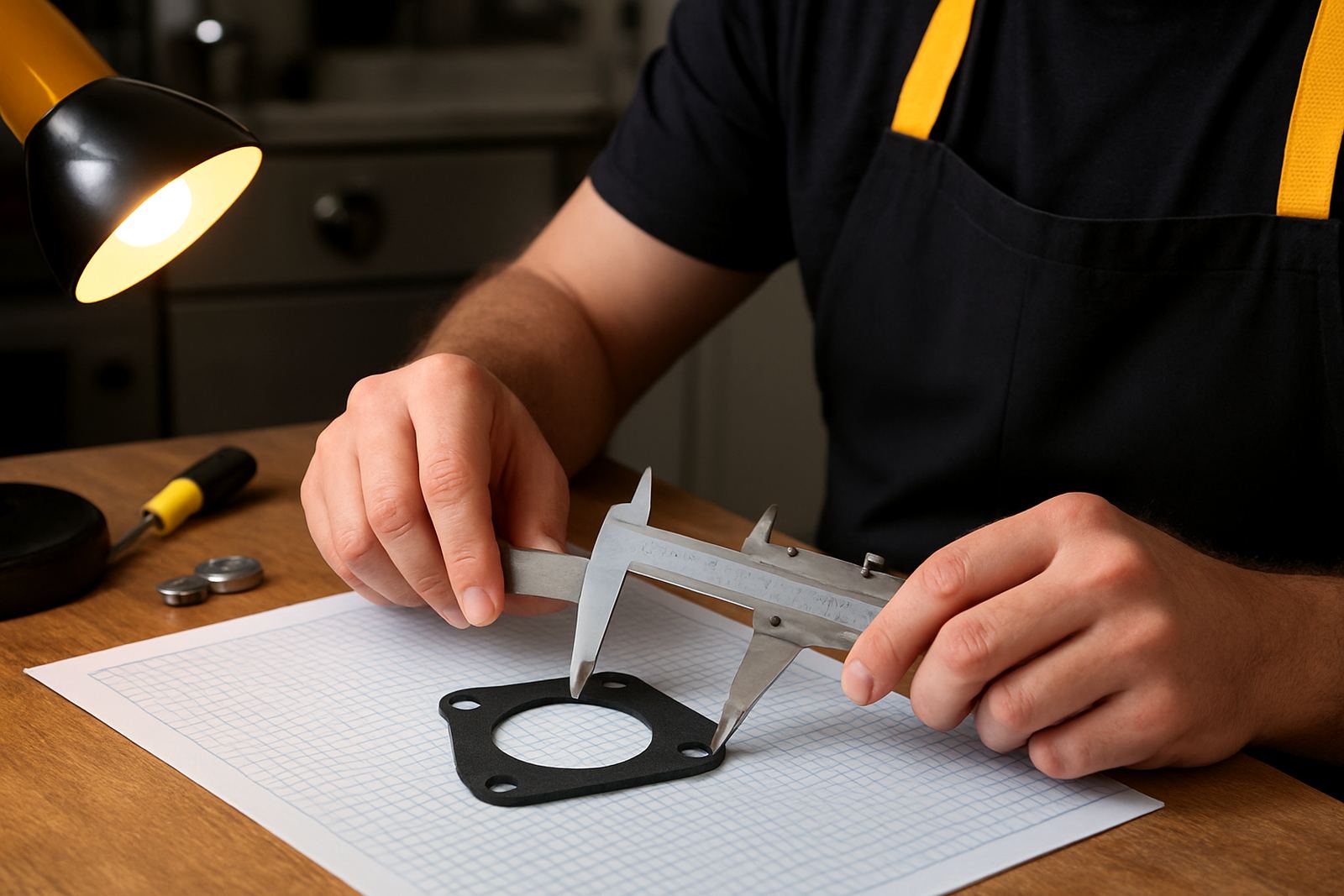
When in doubt, send clear photos and measurements. A few millimetres can matter, especially on gaskets, element flanges and burner fittings. Our team at Midrand handles compatibility checks every day, and it helps to know whether the machine is gas or electric, single phase or three phase, and whether the part failed suddenly or wore out over time.
- Check the model and serial number on the equipment plate
- Measure the old part, not only the opening it sits in
- Confirm voltage, wattage, gas type or switch rating
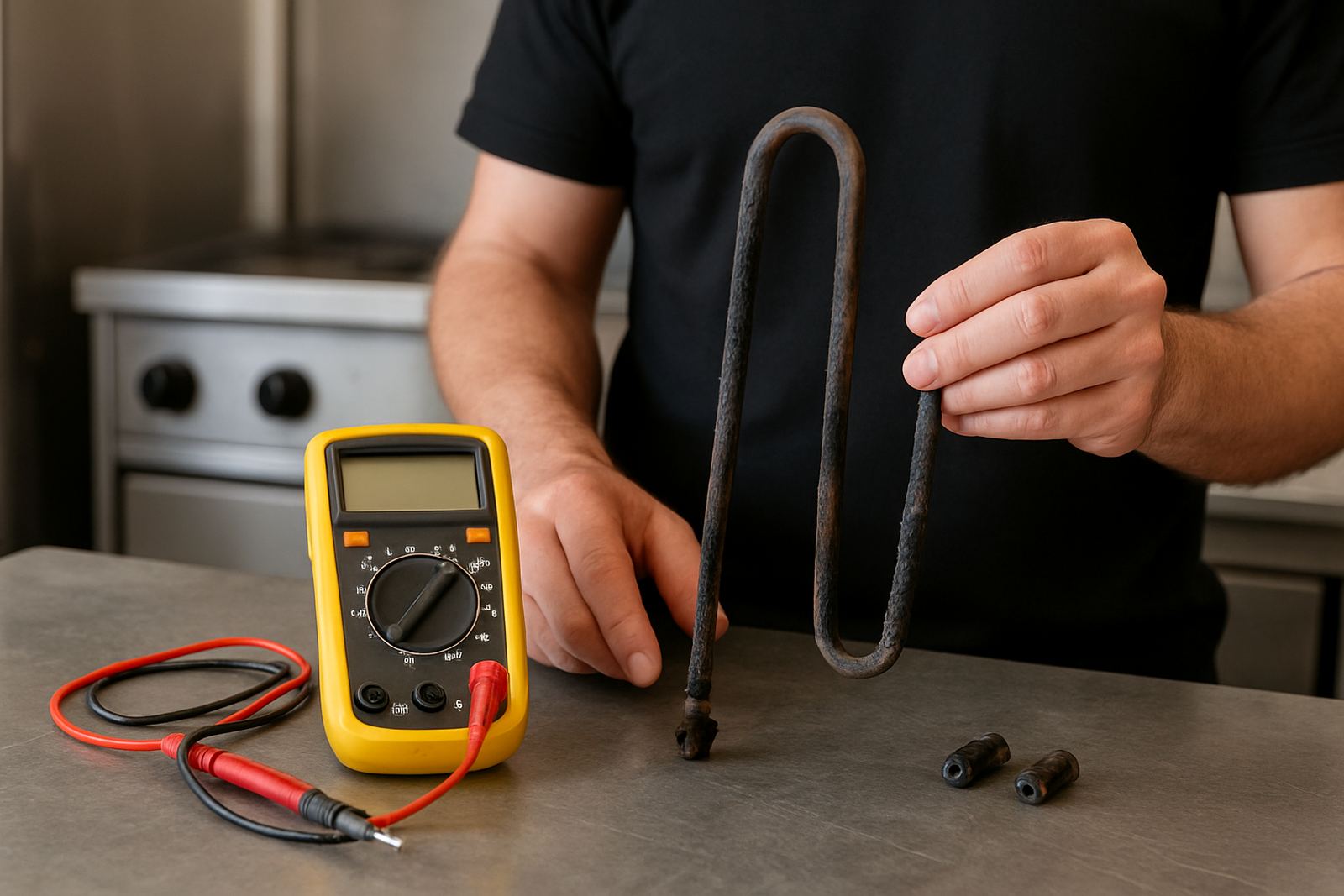
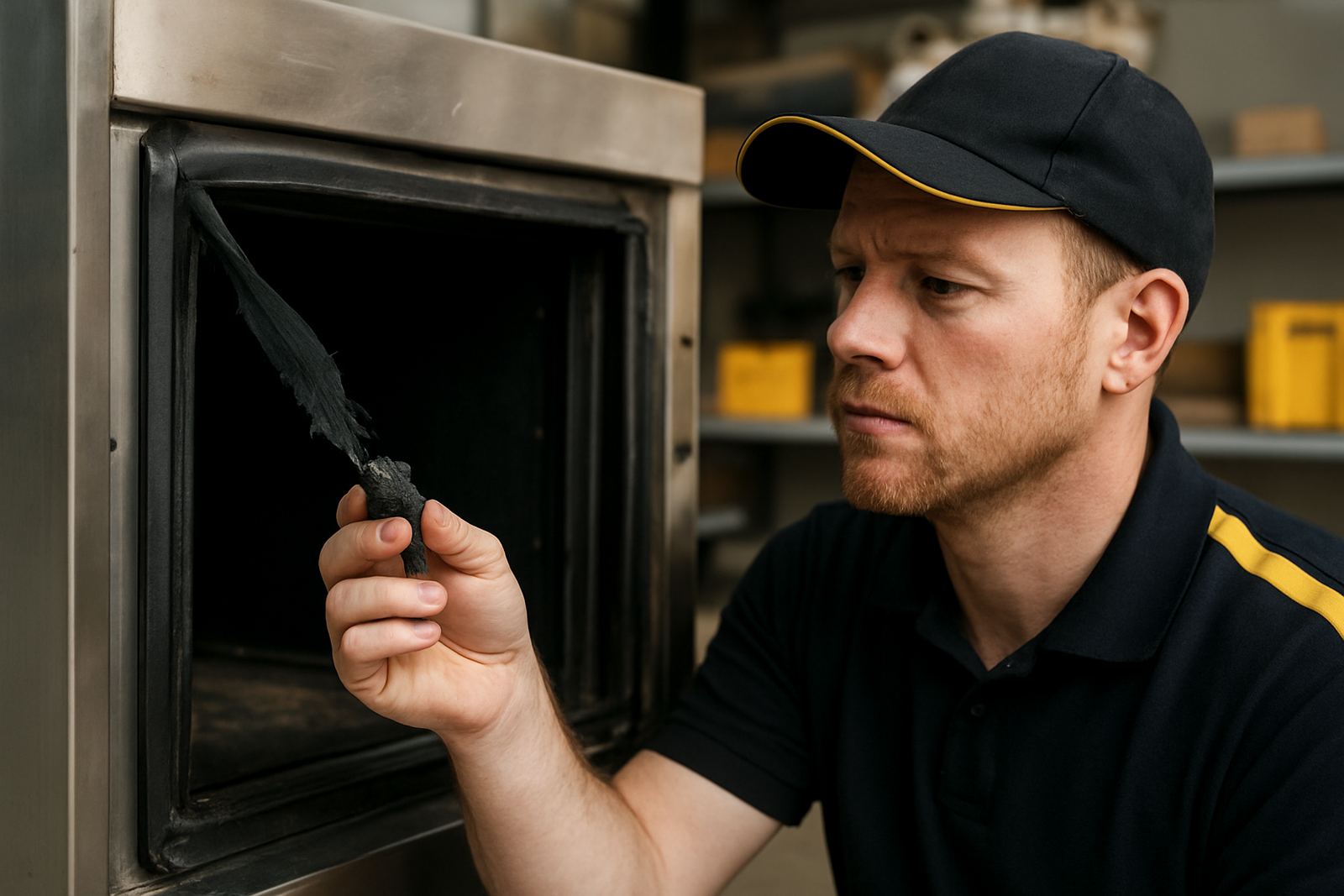
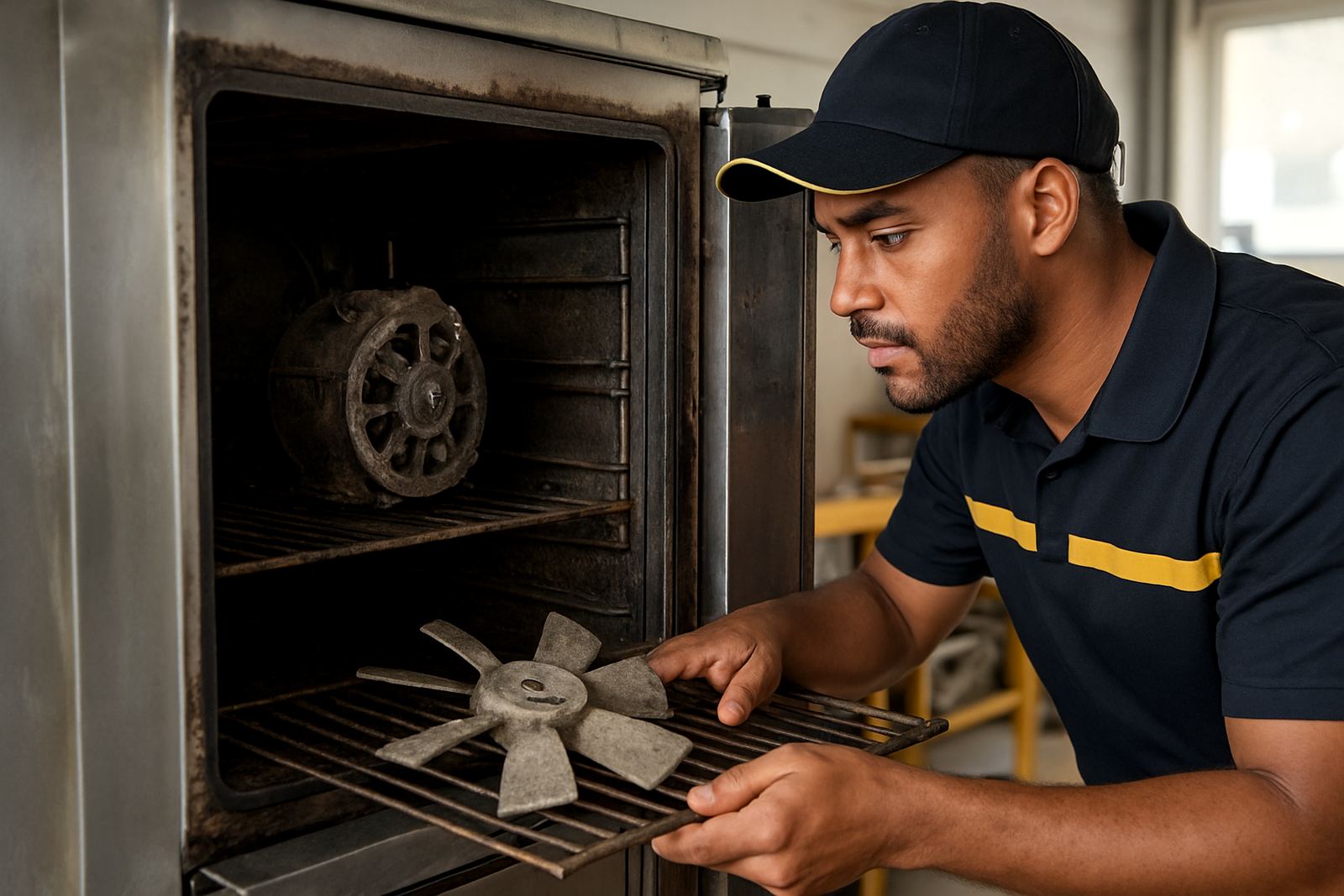
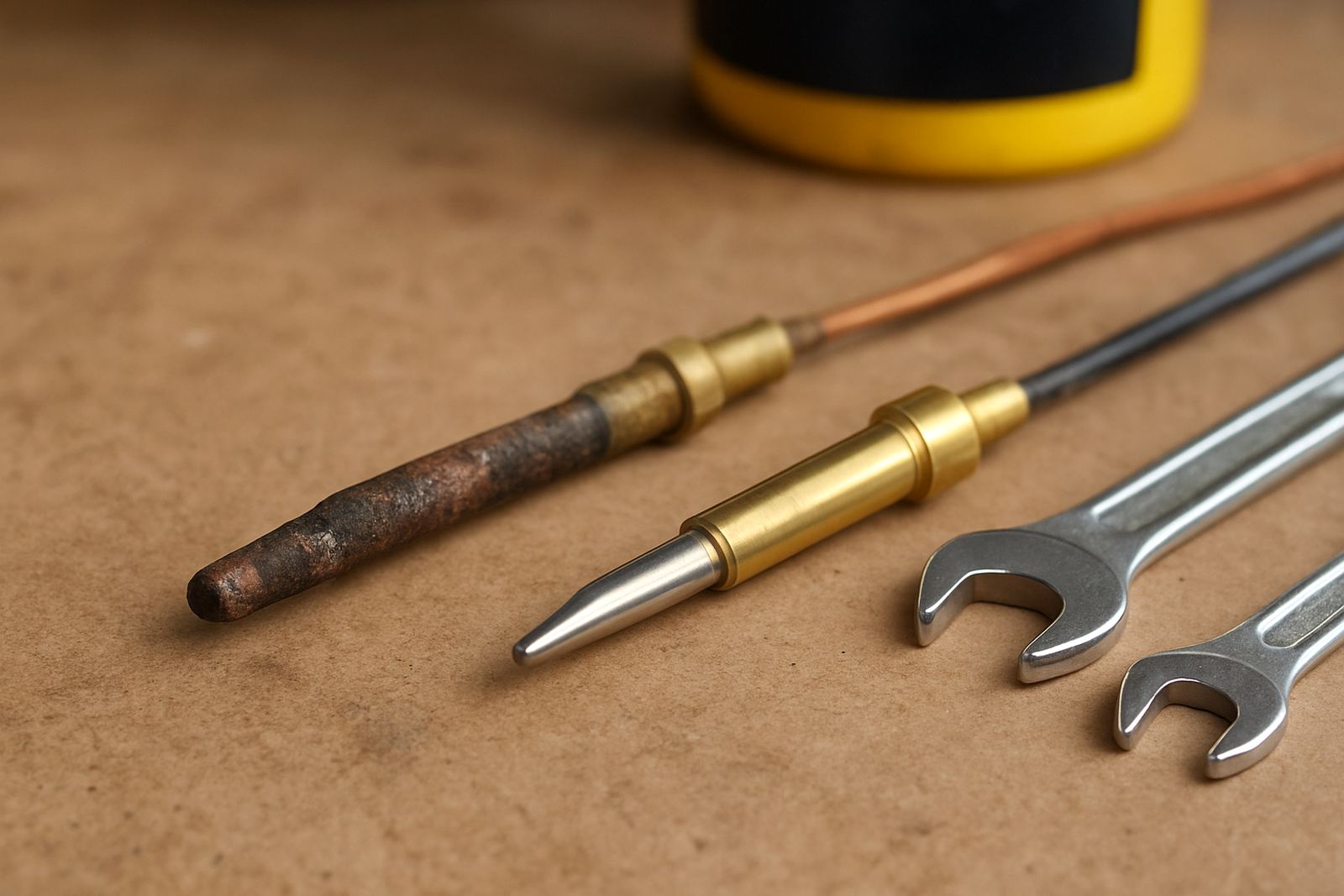
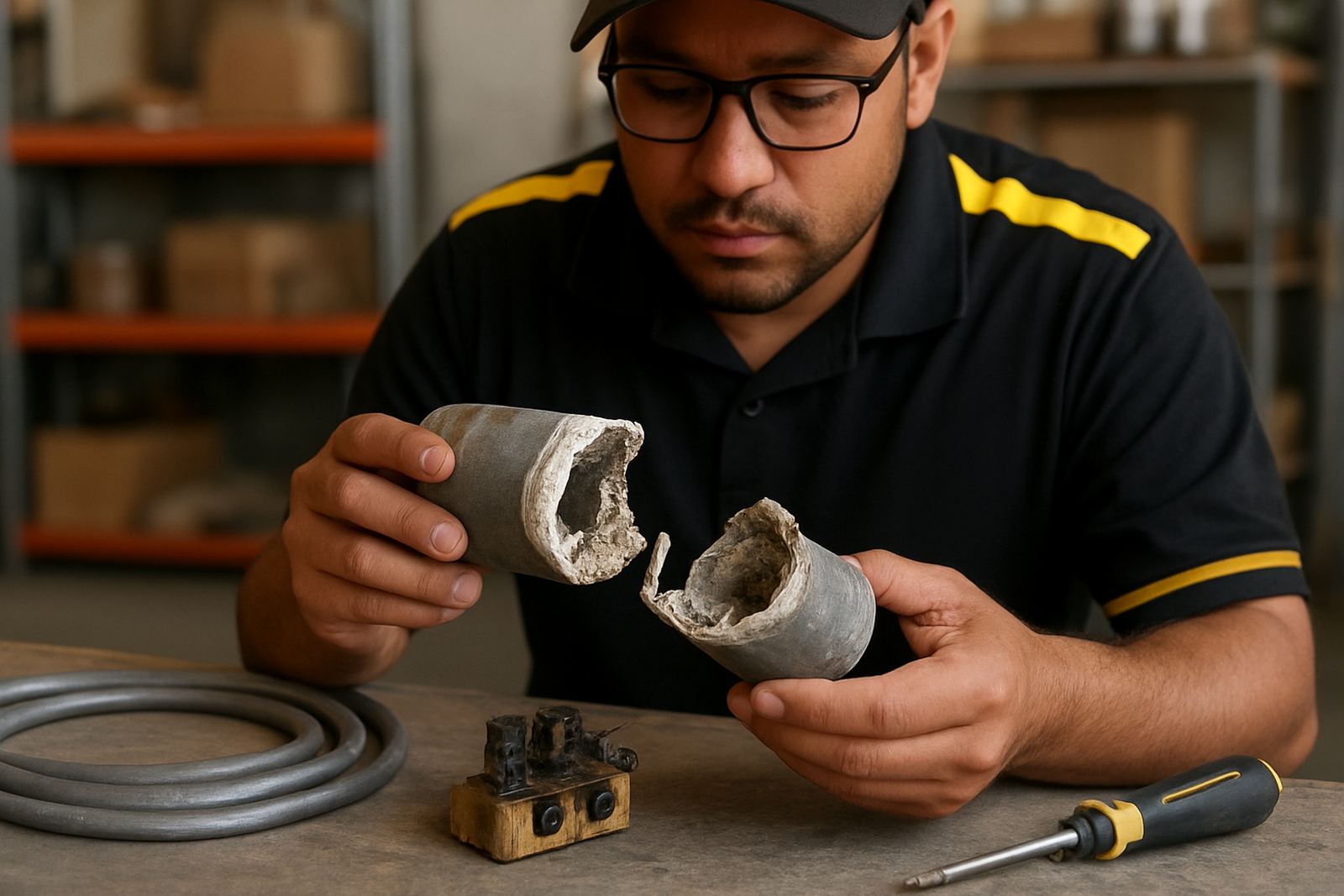
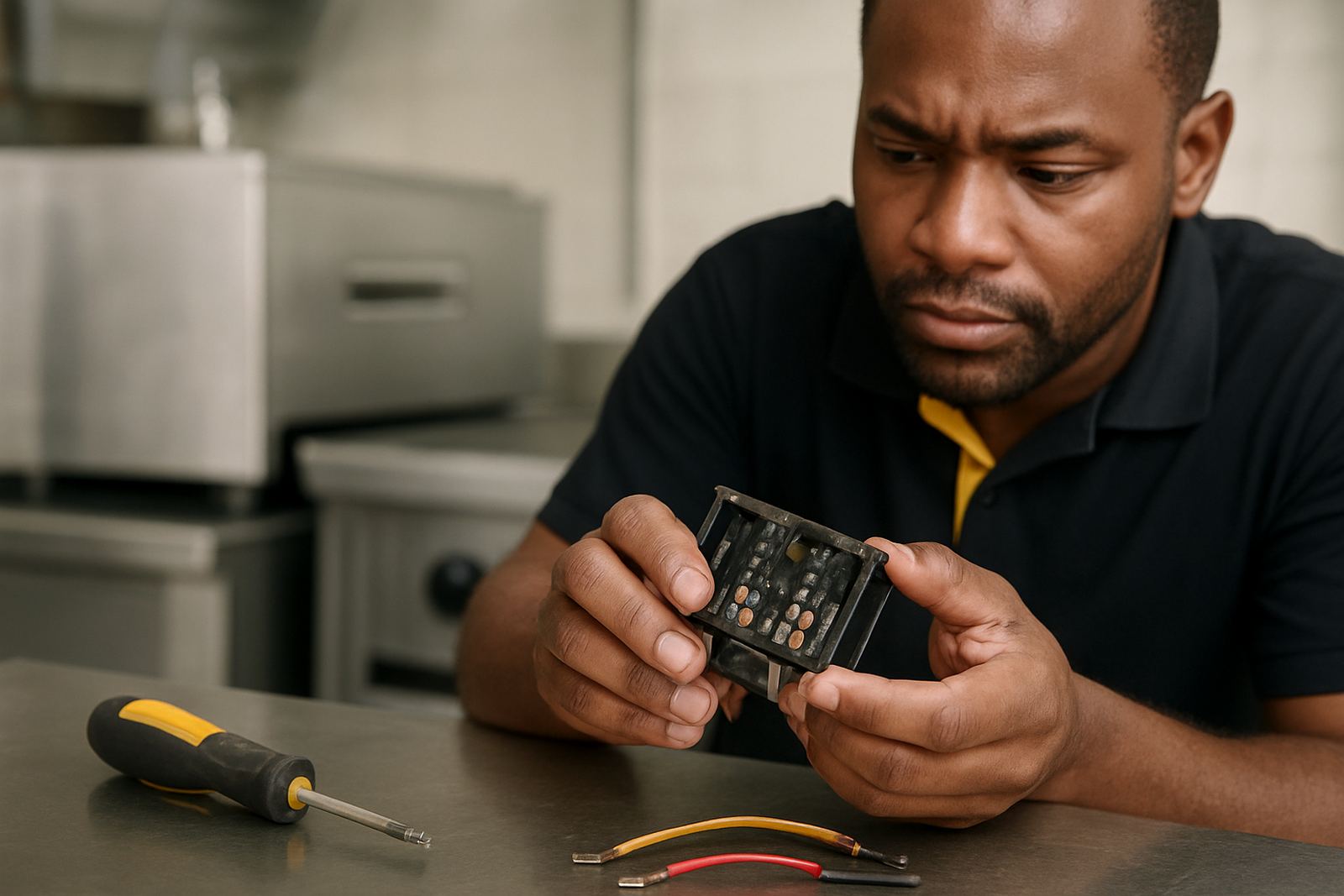
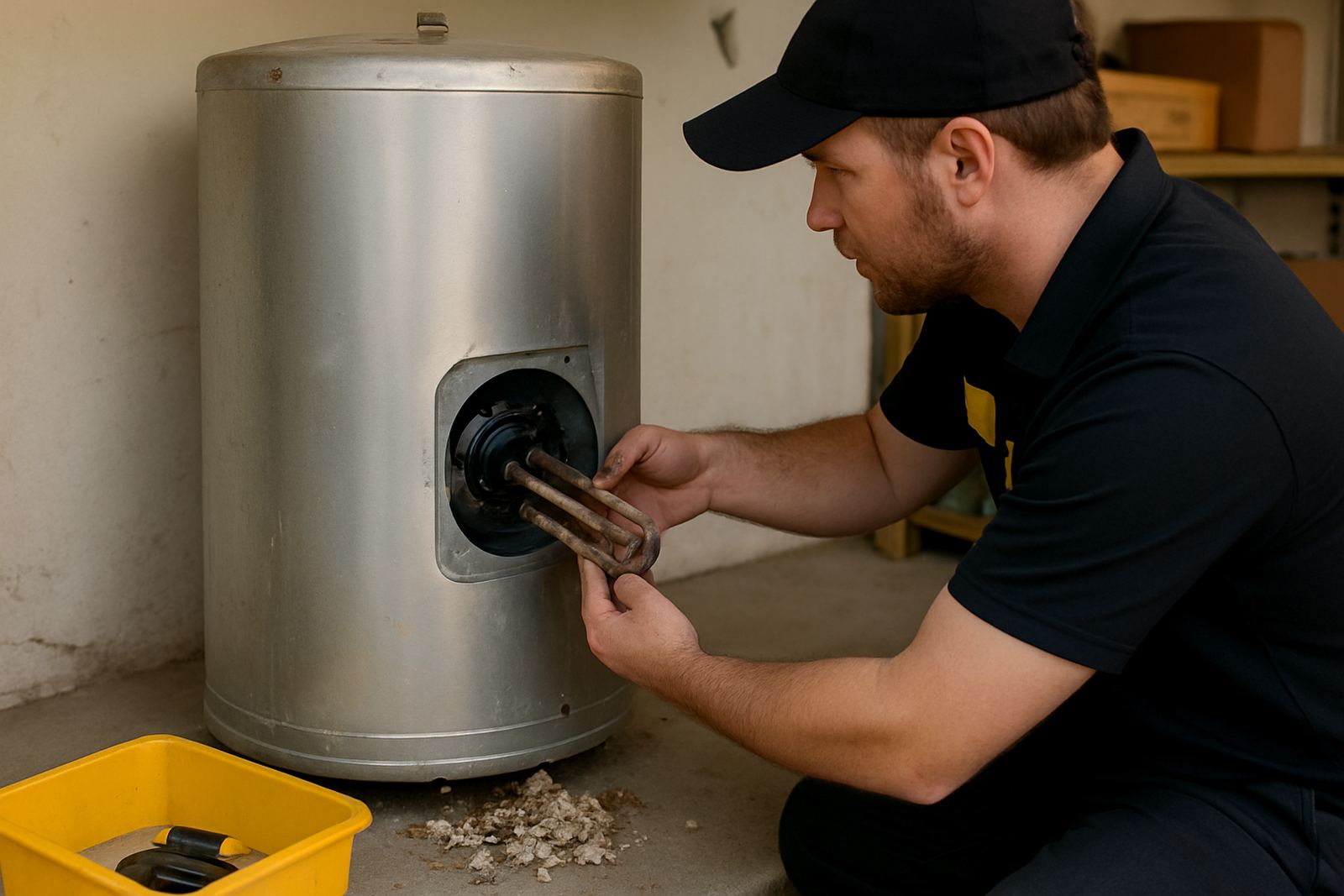
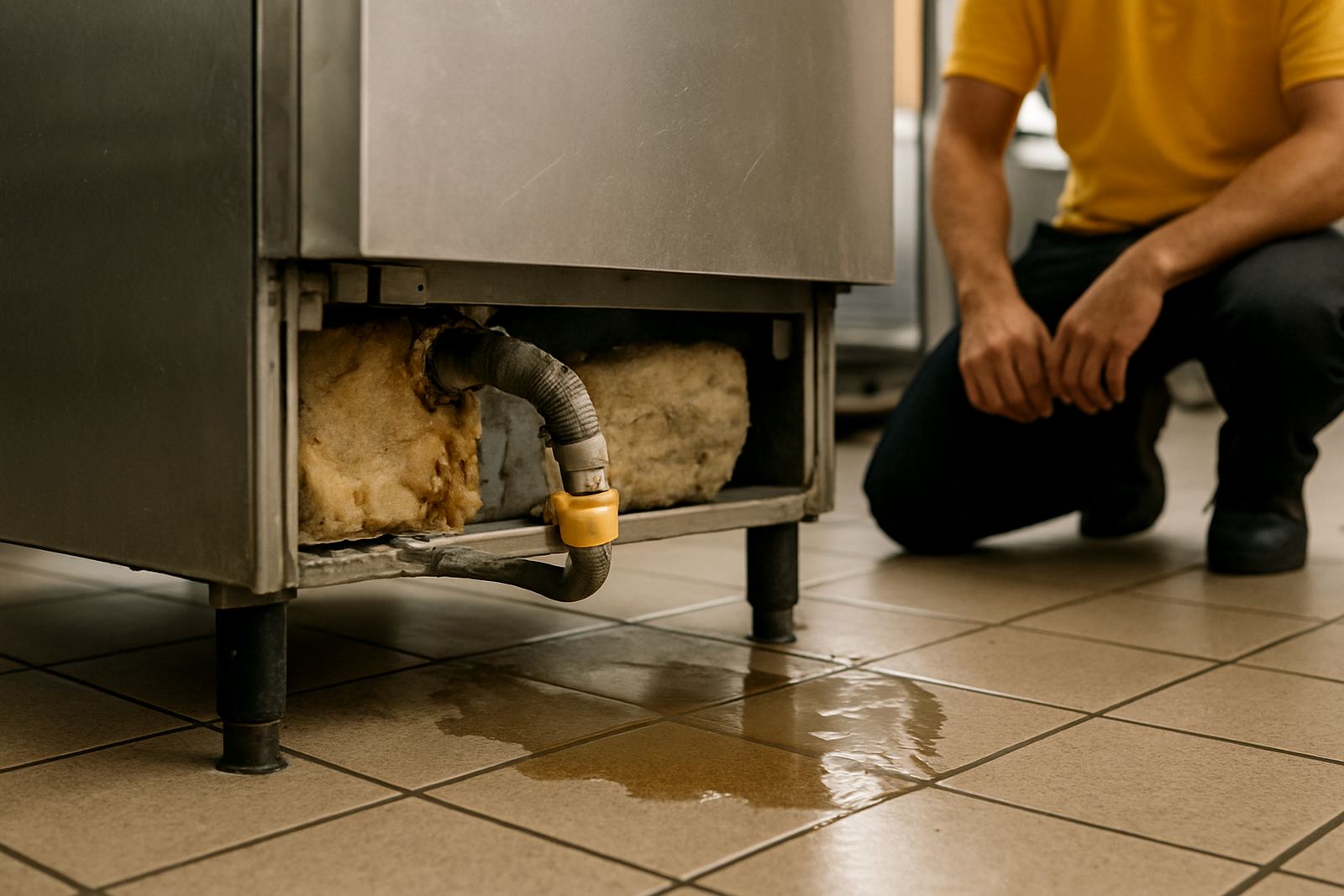
- Look for heat damage, scaling, cracked seals or burnt terminals
Common wear points in busy kitchens
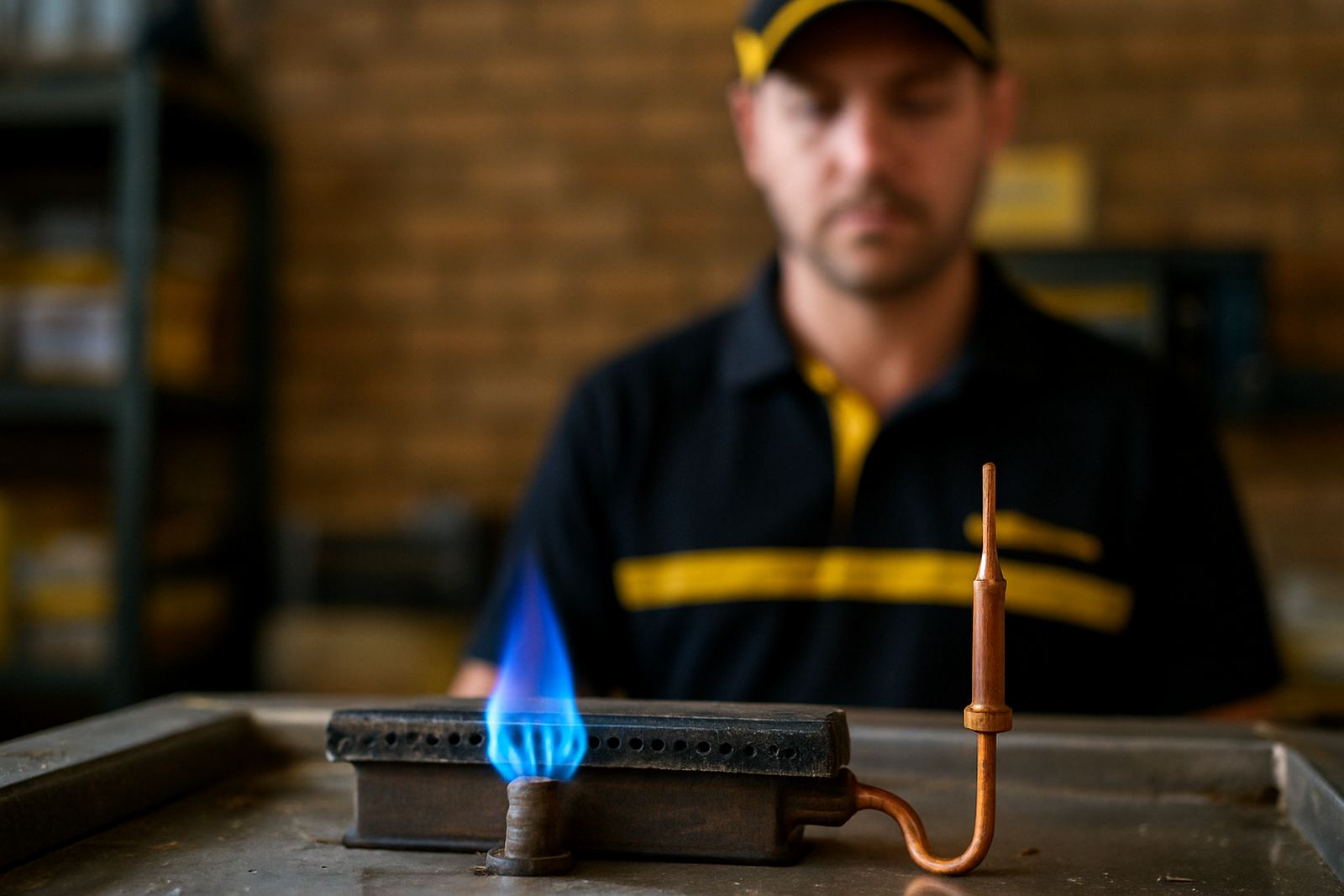
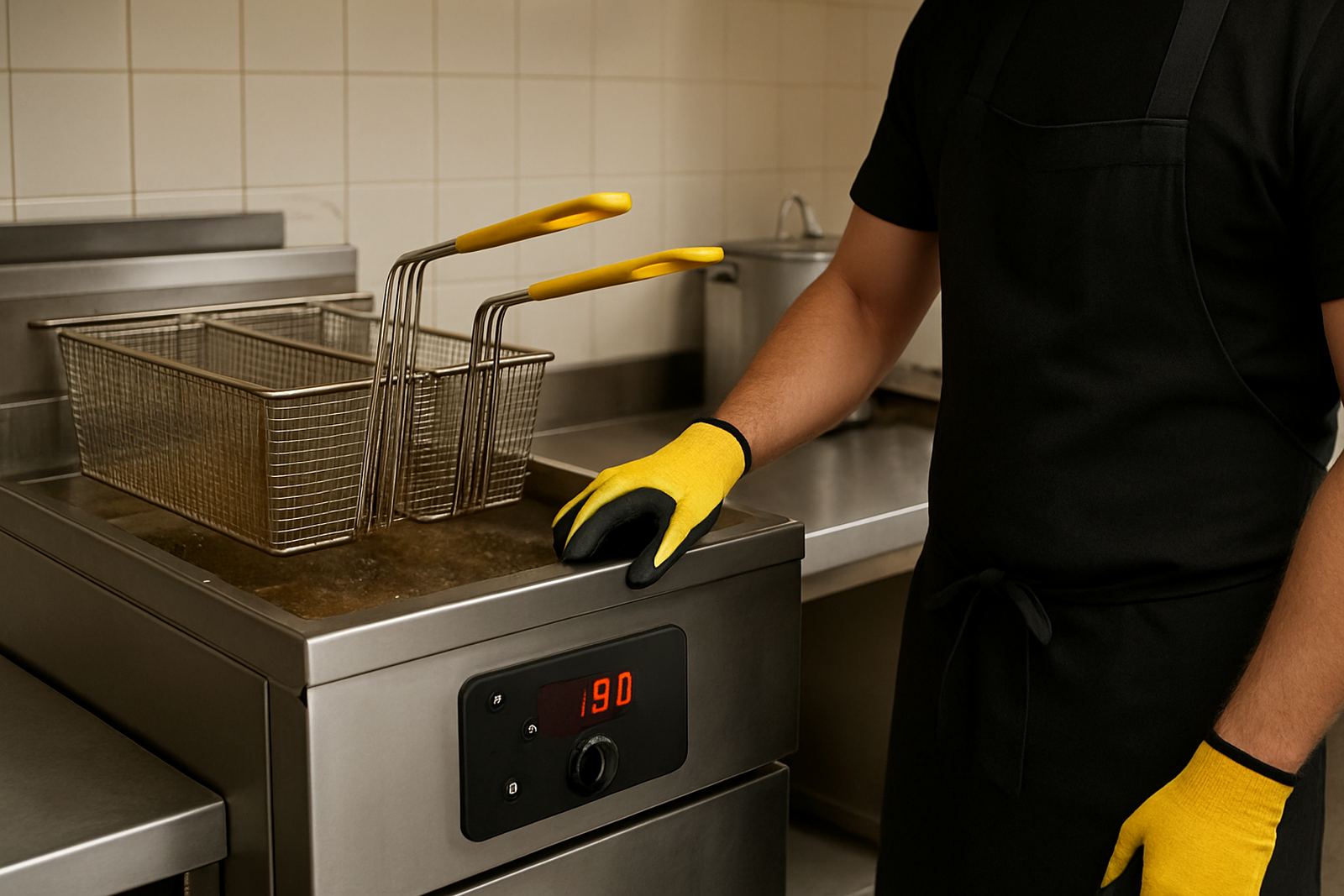
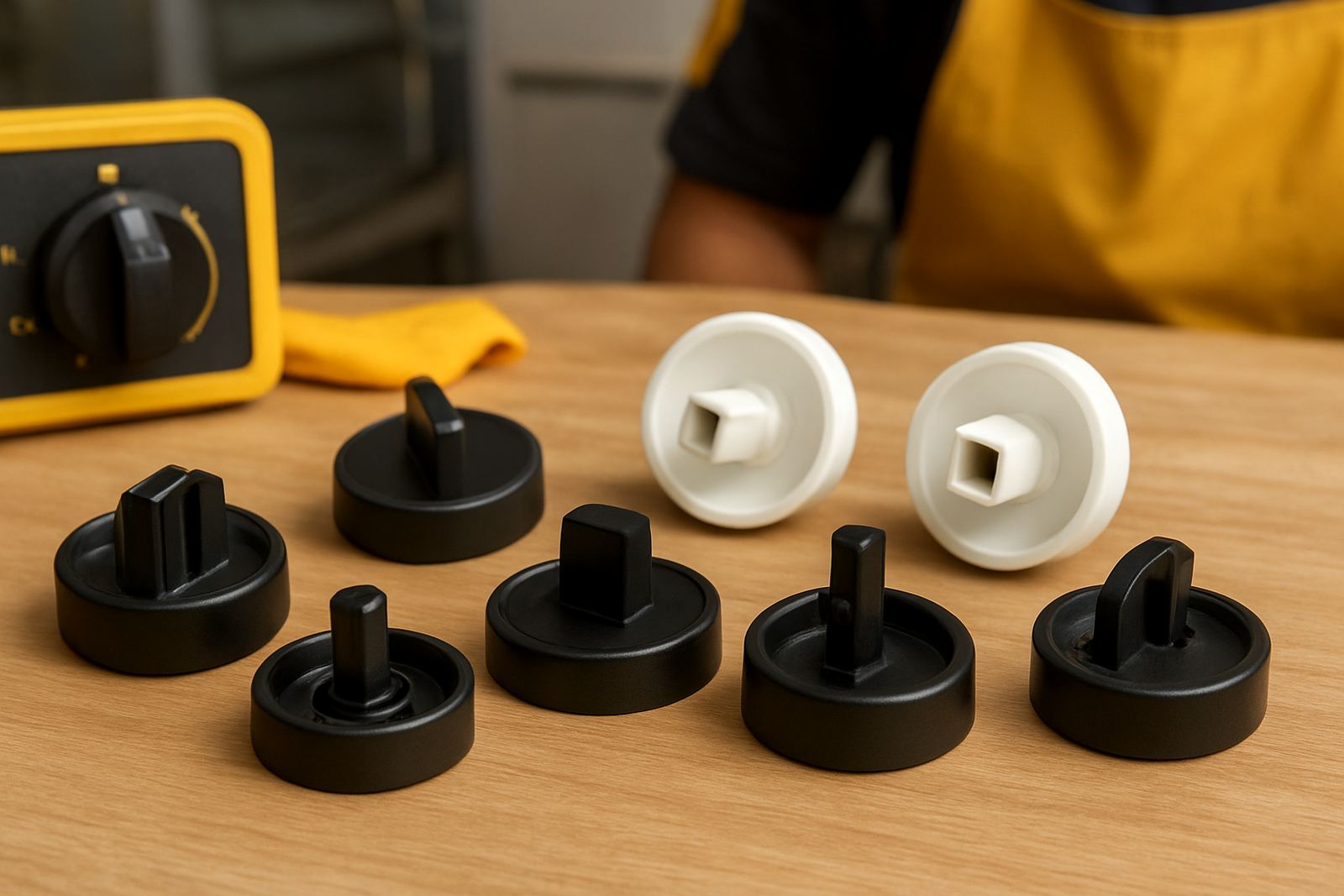
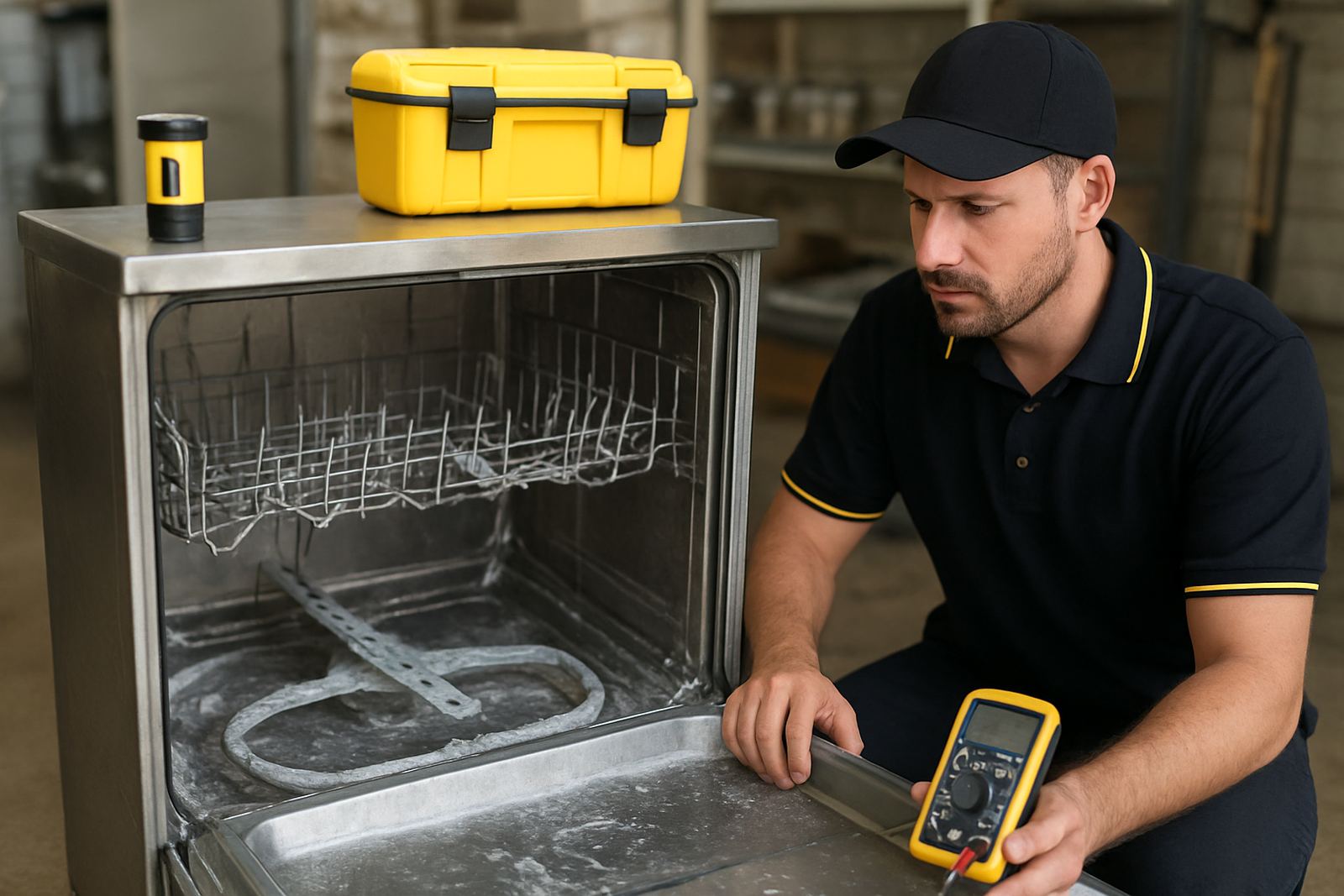
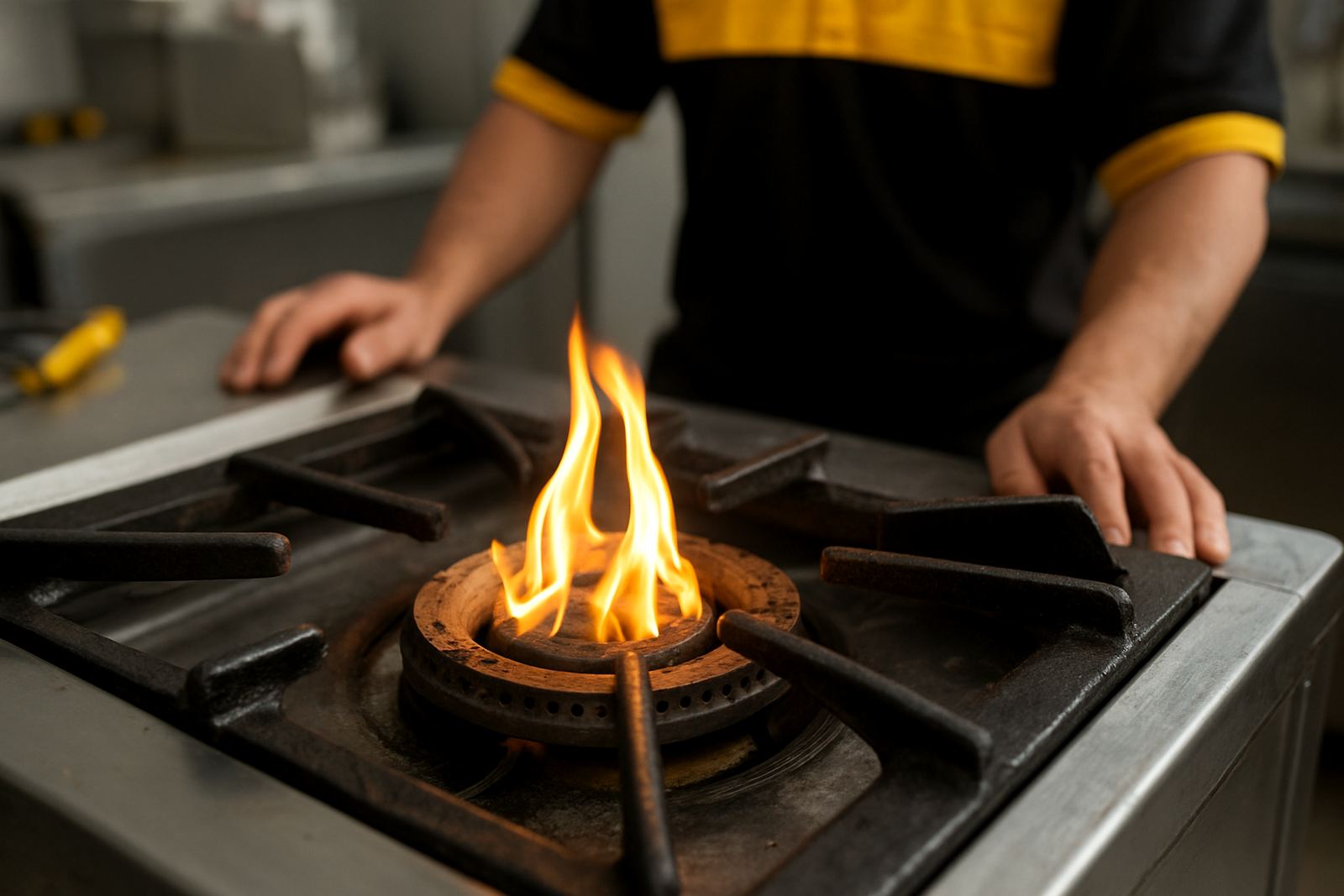
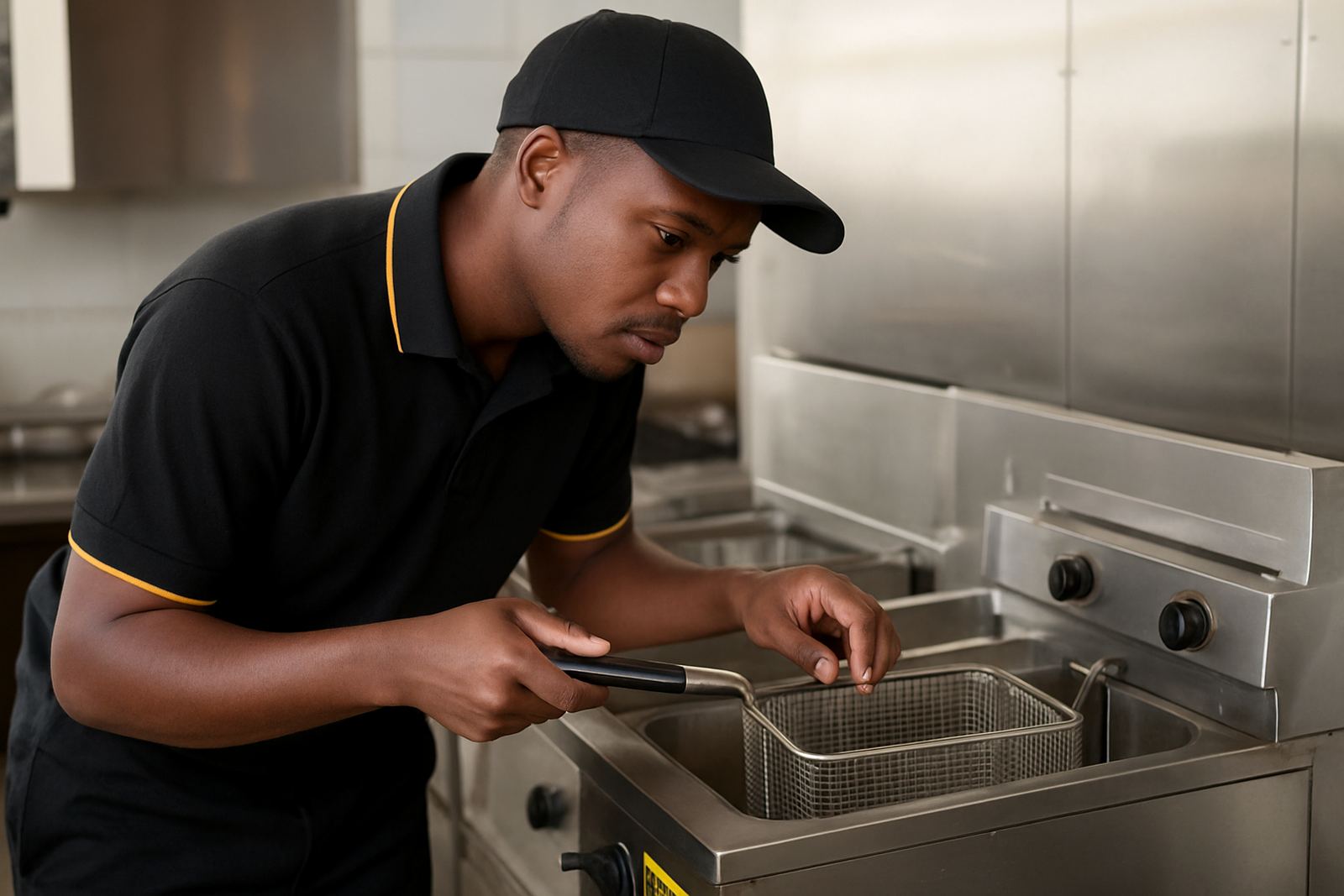
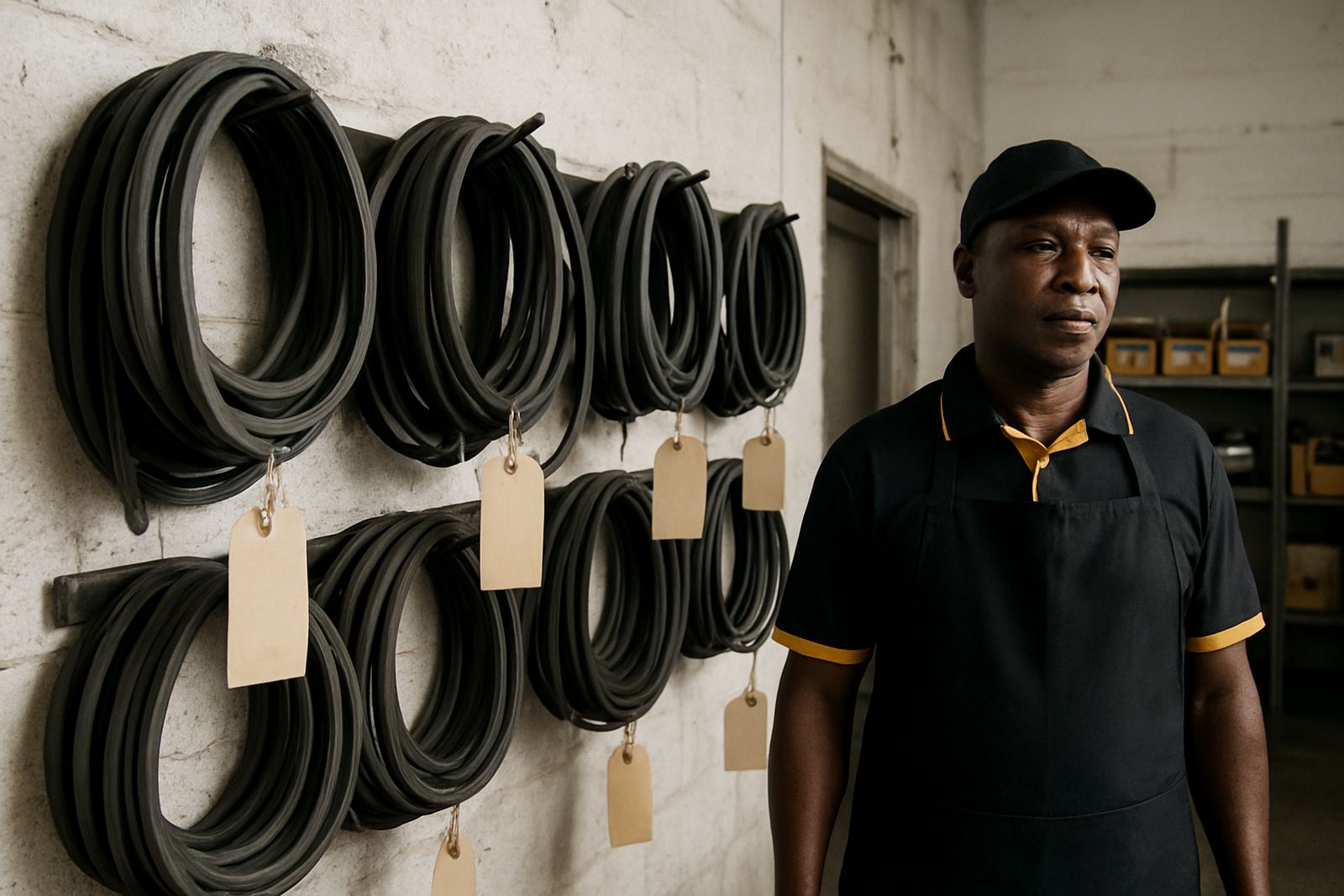
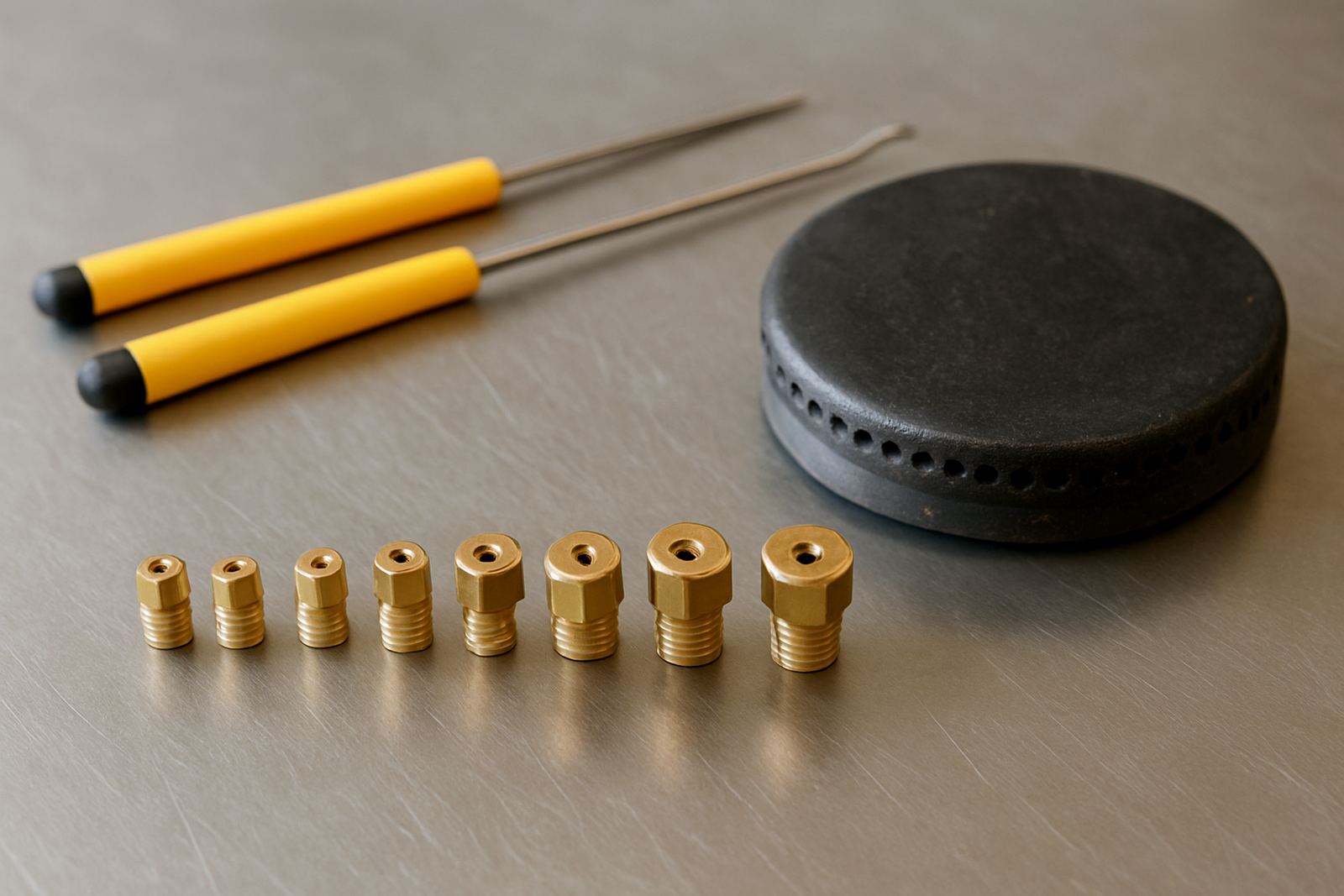
Some parts fail because they are electrical, others because they take constant heat, grease or vibration. Oven elements can sag or split, fryer thermostats can drift, and dishwasher door gaskets can harden until water leaks past. Burners may block with carbon build-up and switches can arc after repeated heavy use. When those signs show up, it is usually better to replace the part before it causes damage elsewhere.
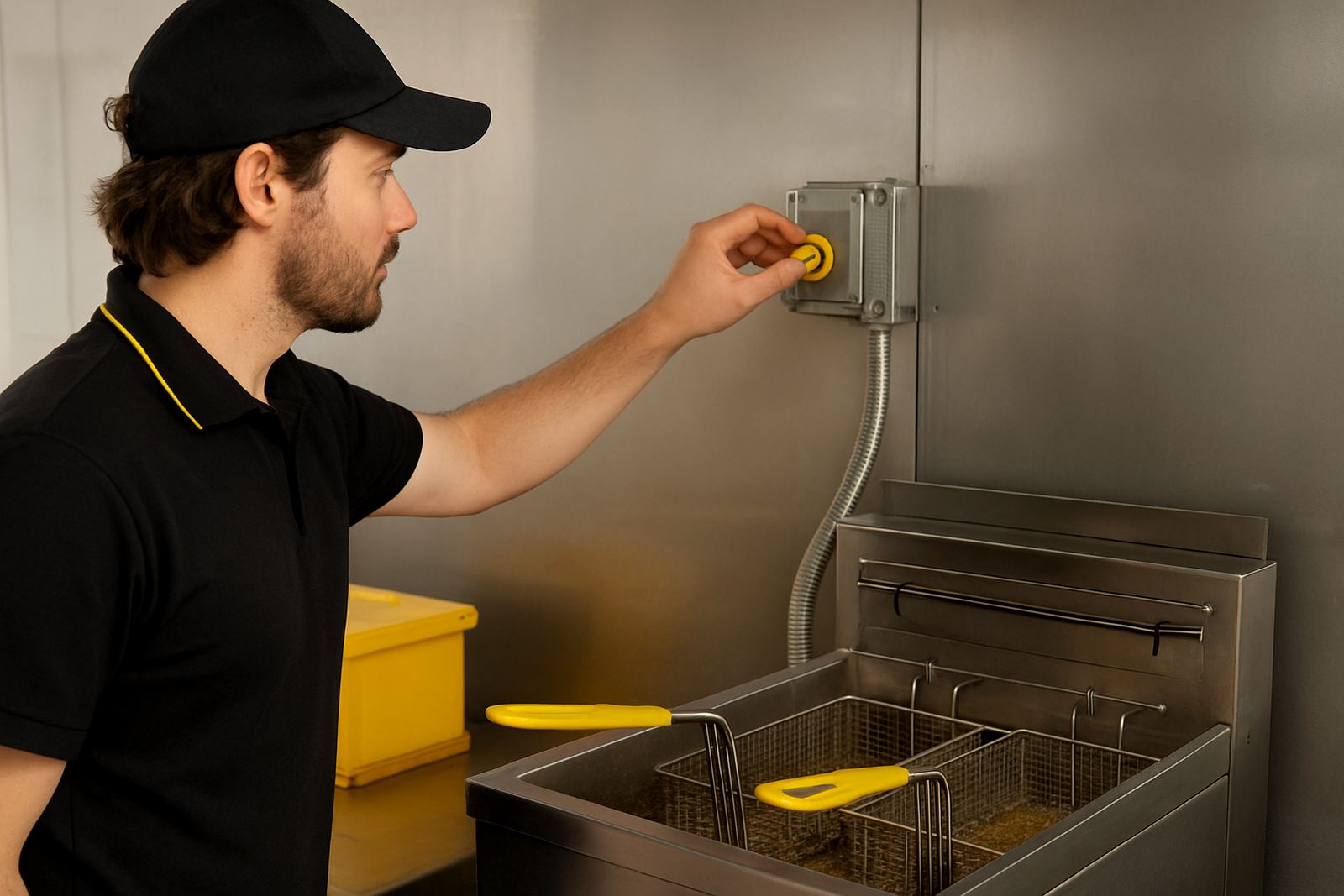
Small faults often show up first as uneven cooking, longer recovery times or a machine that starts but does not hold temperature. That is why post-fit testing matters too. A quick test after installation can catch a wiring issue, a loose terminal or an incorrectly seated seal before the kitchen gets busy again.
When fitting should be handled on site
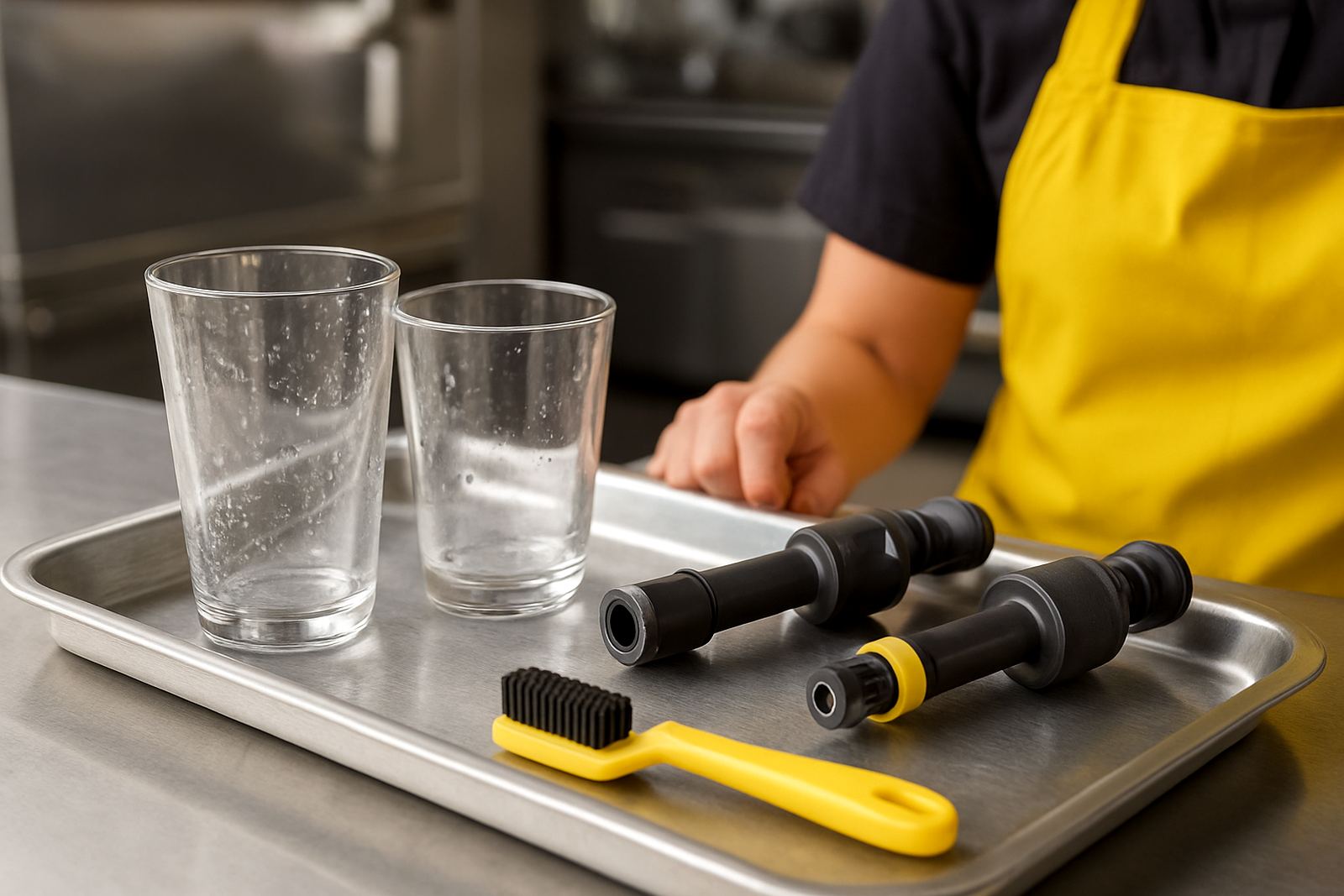
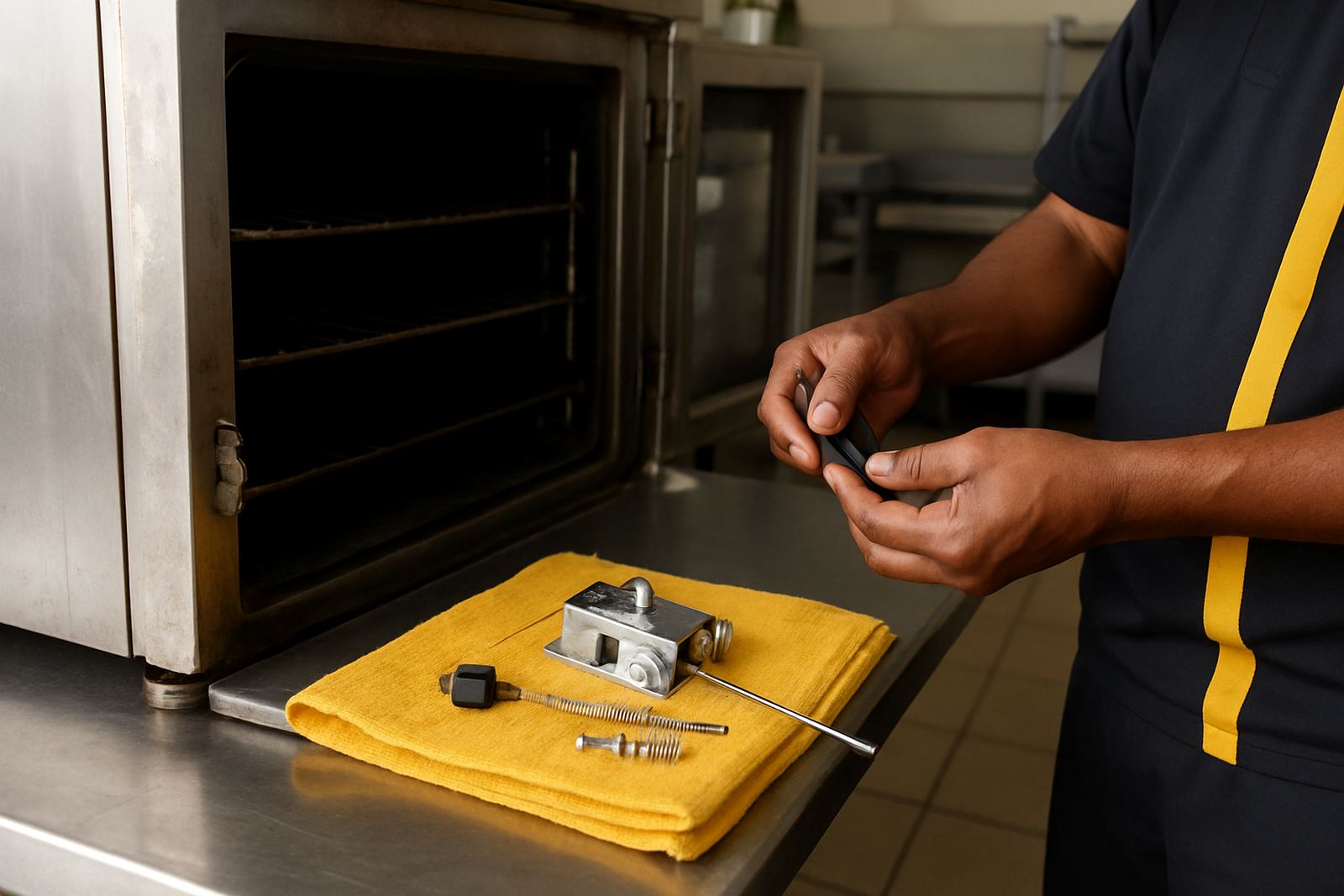
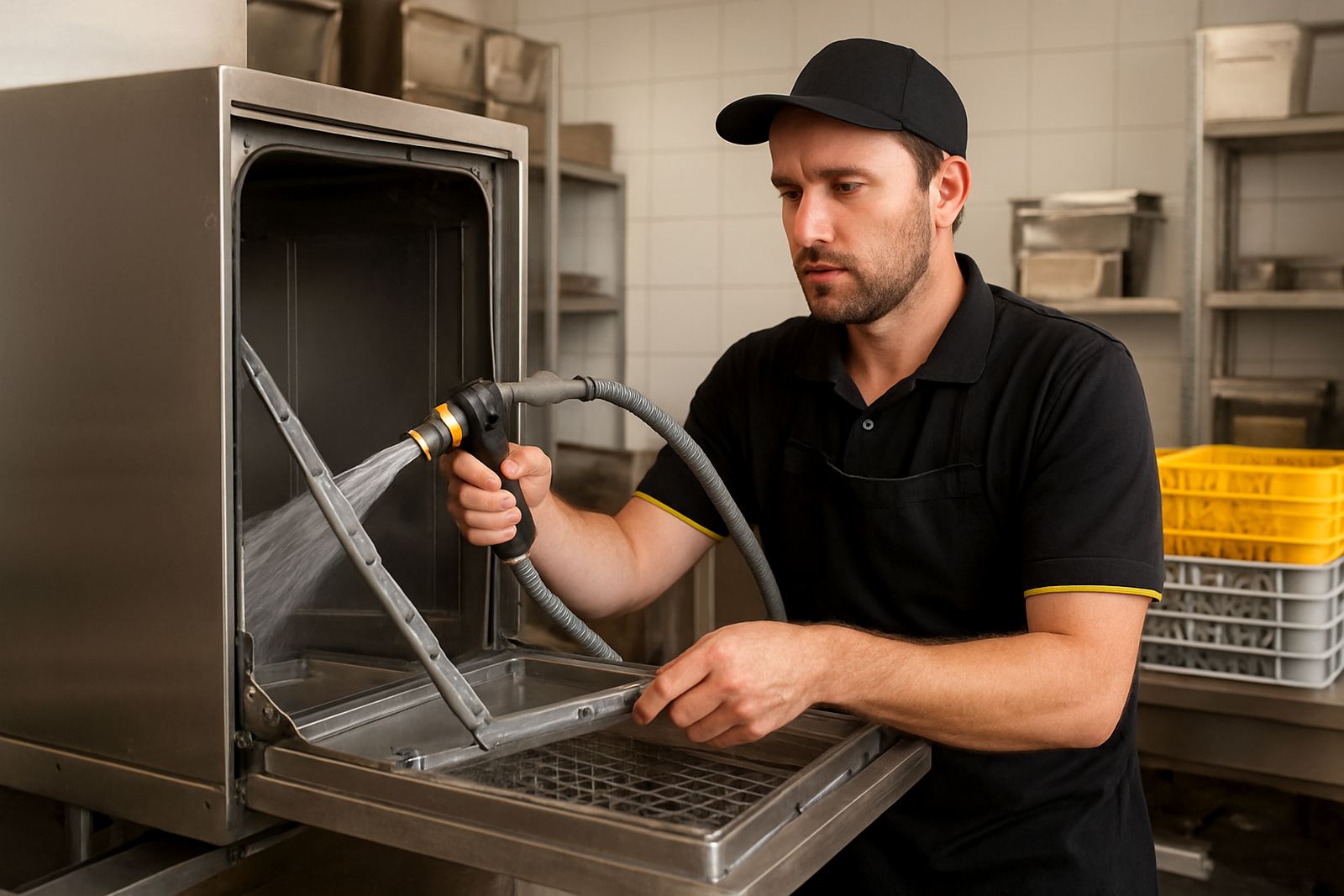
Some parts are simple to swap, but others need careful fitting and checks afterwards. Element fitting, thermostat fitting, gasket fitting and burner fitting all benefit from proper isolation, safe access and a test run once the work is complete. For dishwashers, alignment and sealing matter just as much as the part itself.
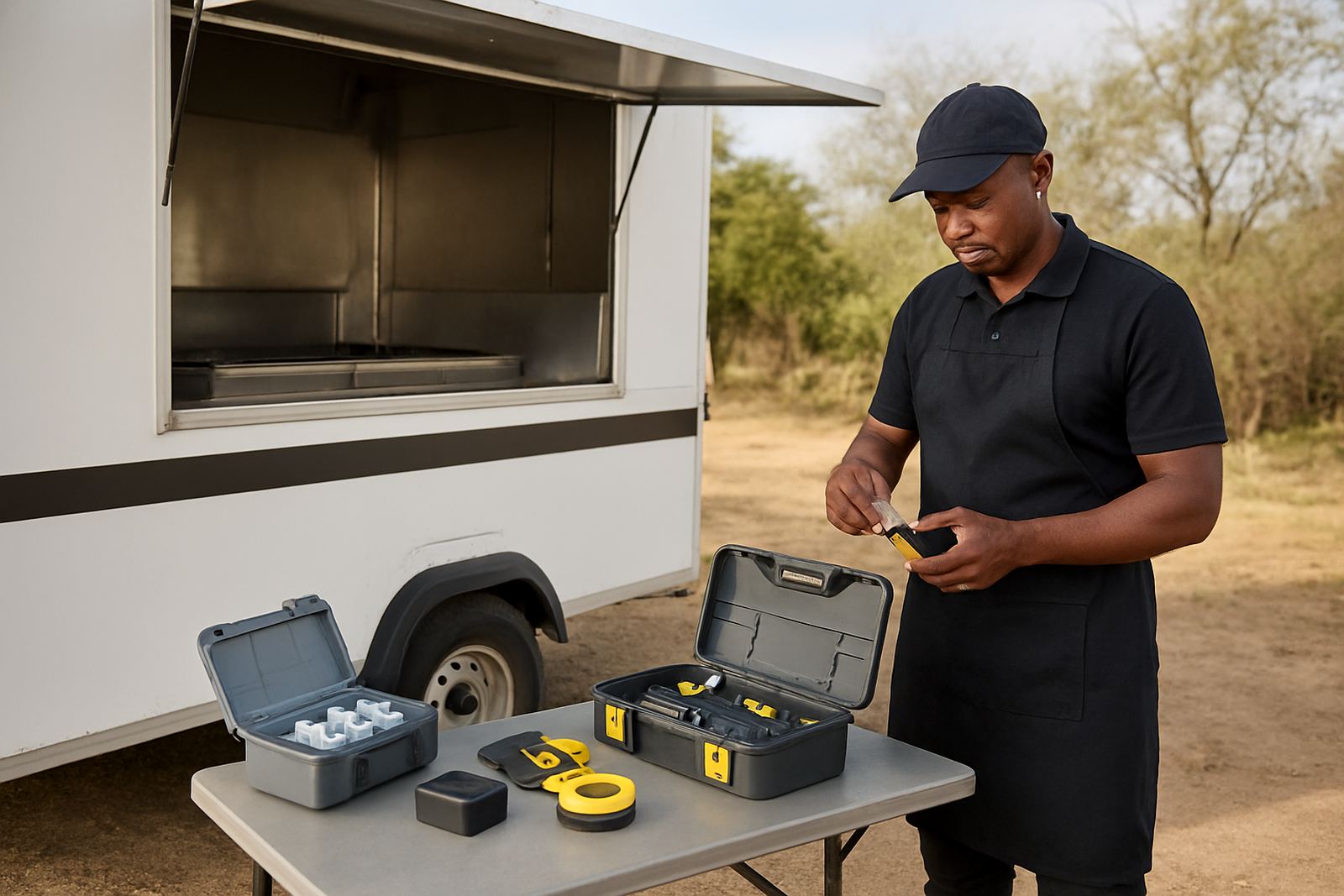
If the kitchen cannot be left without service for long, onsite parts support can save a second callout. This is especially useful for lodges, hospitals, schools and high-volume restaurants where downtime affects every meal service. A rushed job can cost more than the part, so the fitting should be done properly the first time.
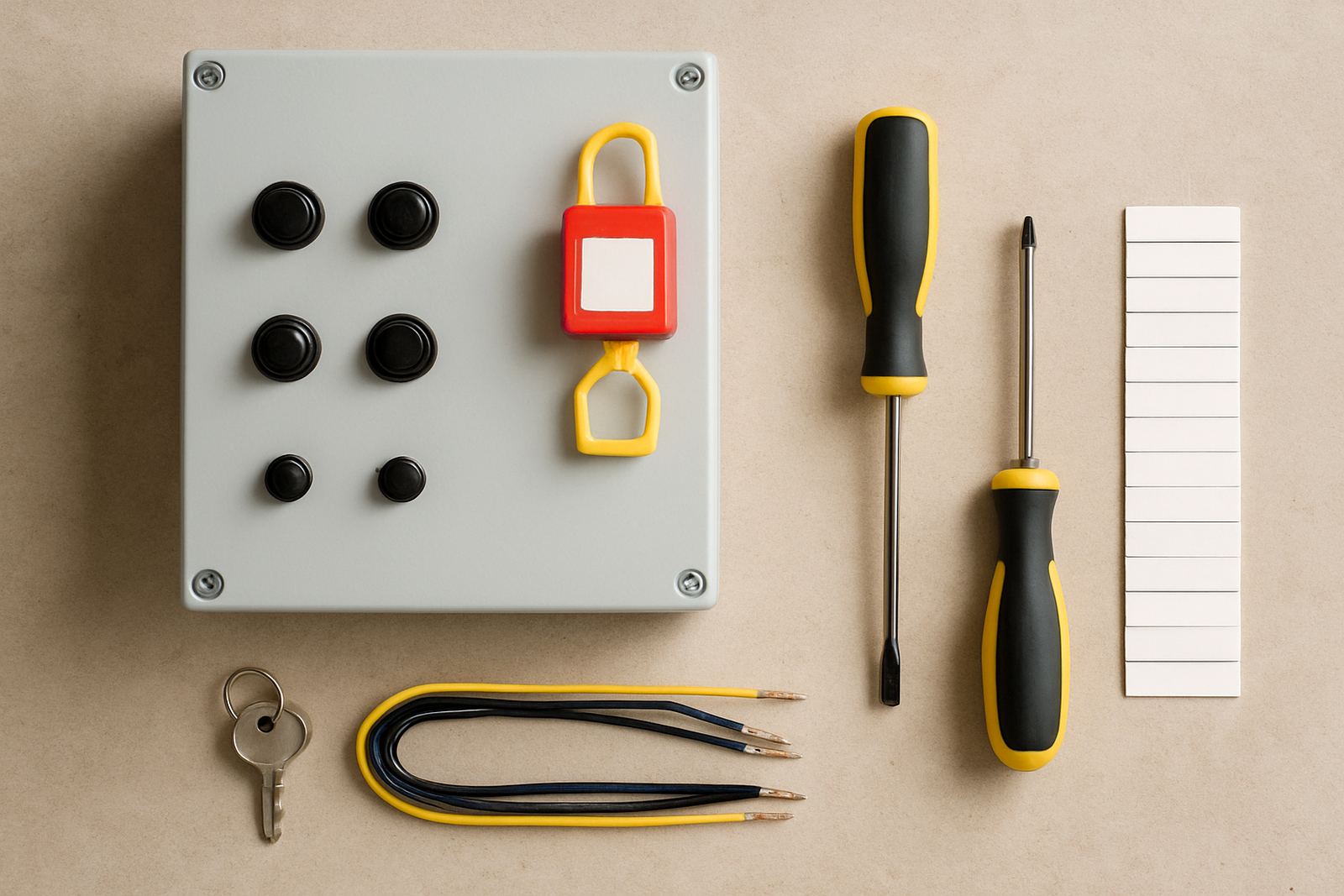
- Isolate power or gas before any work starts
- Keep the old part until the new one is confirmed correct
- Test heating, cycling and safety controls after fitting
- Check for leaks, smells, tripped protection or unusual noise
Keeping spares on hand for load-shedding and peak trade
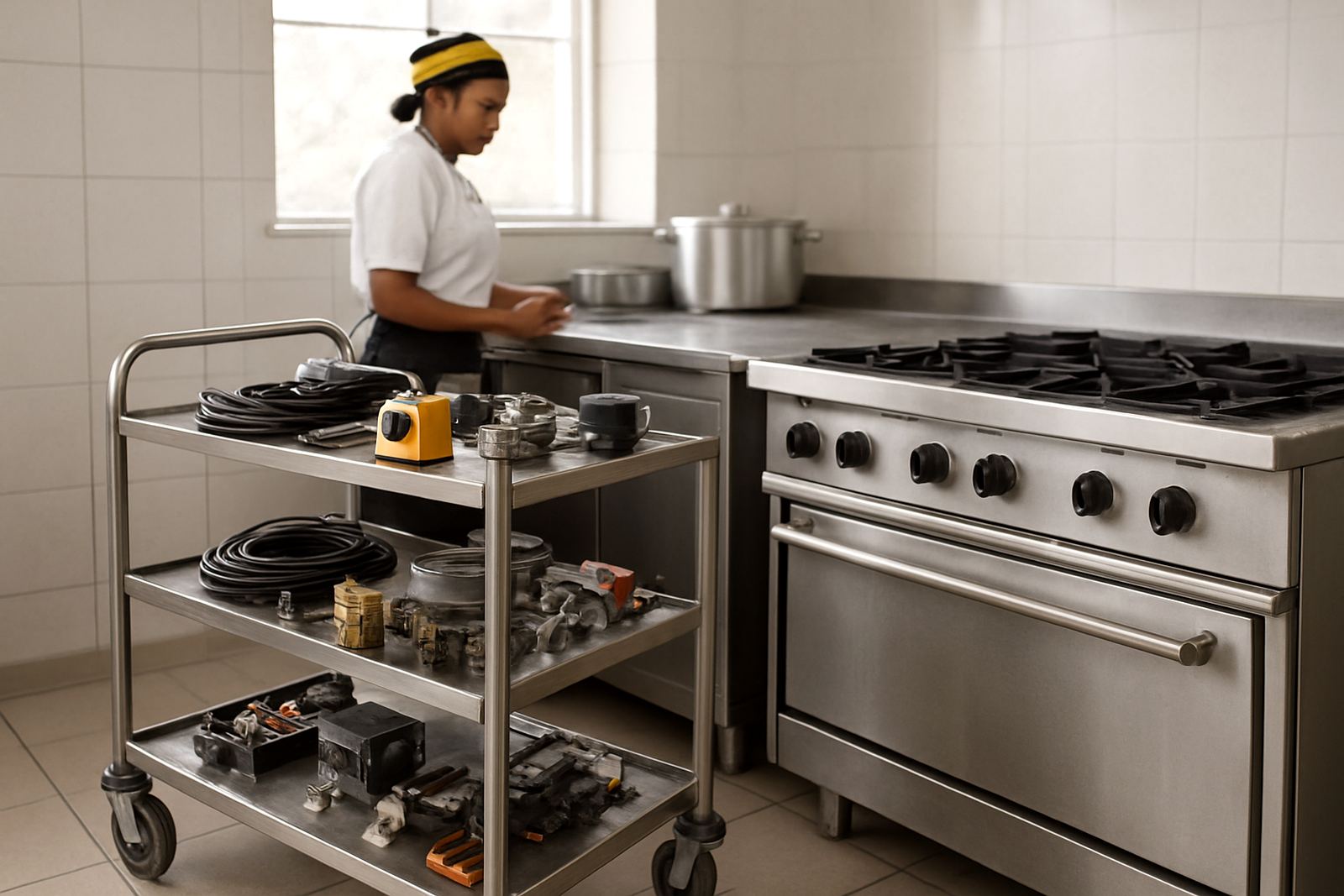
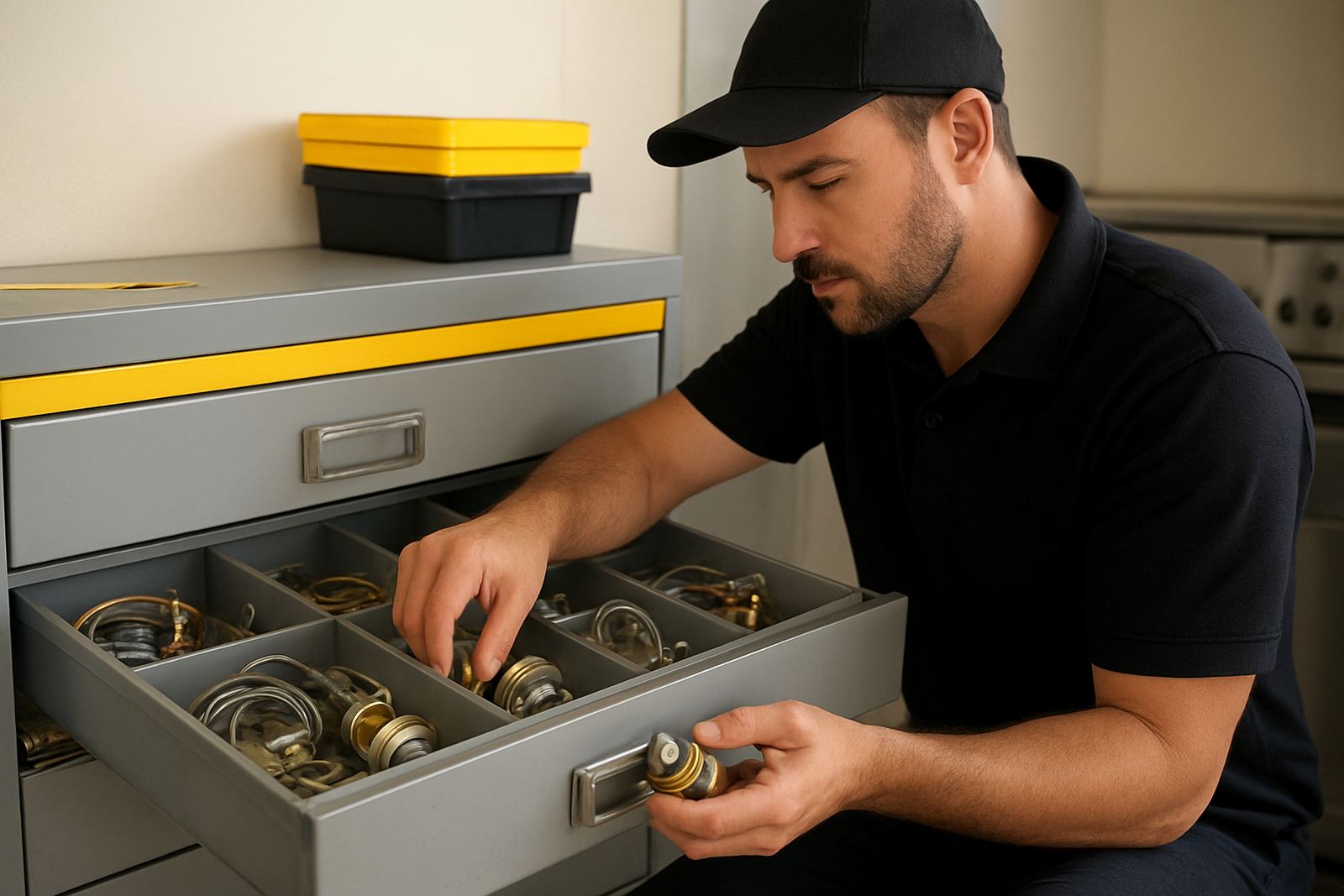
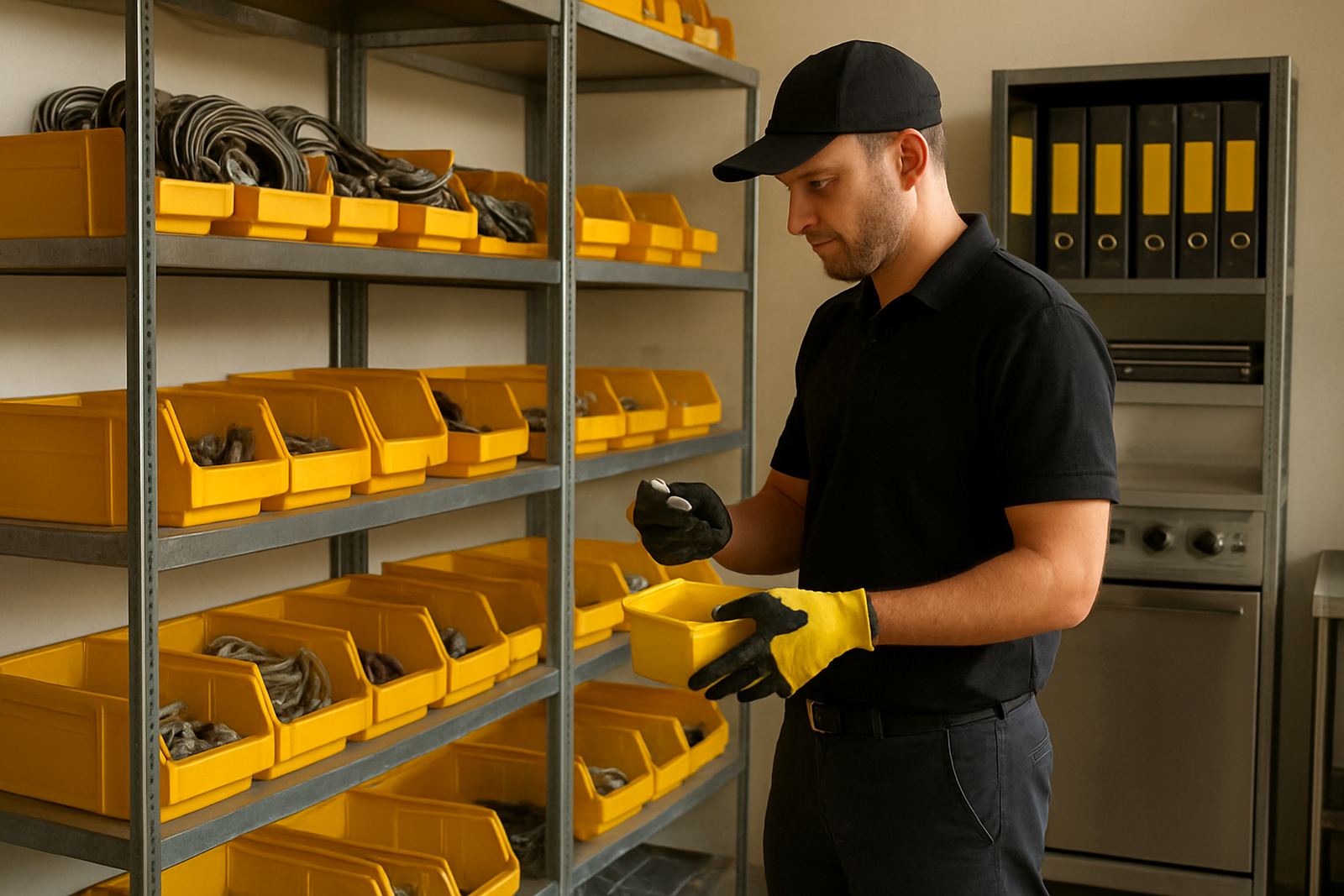
In South Africa, a small spare stock can make the difference between service continuing and service stopping. Elements, thermostats, switches and gaskets are worth keeping for equipment that runs every day, especially where load-shedding or heavy evening trade puts extra pressure on machines. It is cheaper to plan than to wait for a breakdown during a packed lunch run.
For many operators, the right spare depends on usage. A single kitchen in Midrand may only need one backup thermostat, while a hotel group in Durban or Cape Town may want a fuller spares list because of salt air, holiday peaks and more frequent cleaning cycles. We can help you build a sensible list without overbuying.
How our Midrand team supports the bulletin
FoodServ Parts Store has been trading since 2016 and continues the same practical parts support from our Midrand base. Riaan Pretorius leads the business, with Ayesha Jacobs on operations, Sibusiso Dlamini on technical parts, Megan Naidoo in customer support, Pieter van Wyk on warehouse and dispatch, and Lerato Khumalo coordinating field fitting. That setup lets us move from part identification to dispatch without unnecessary back and forth.
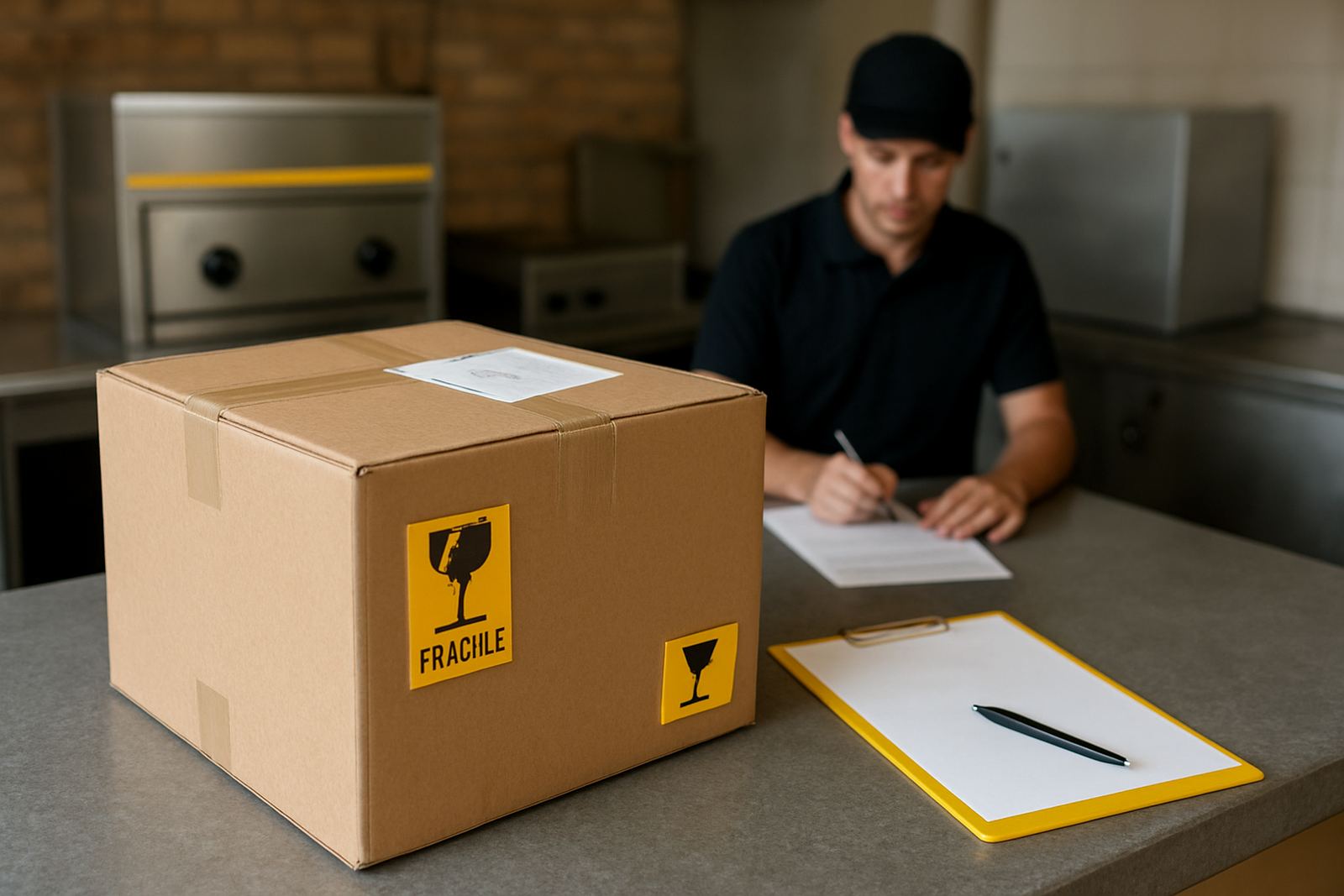
We support national orders from Midrand and cover Johannesburg, Pretoria, Durban, Cape Town and Bloemfontein. If a part needs to be checked against an appliance fault, or matched with a fitting job, email parts@foodservparts.co.za with the details and clear photos. The more information you send, the quicker we can help, and the less chance of ordering the wrong item.