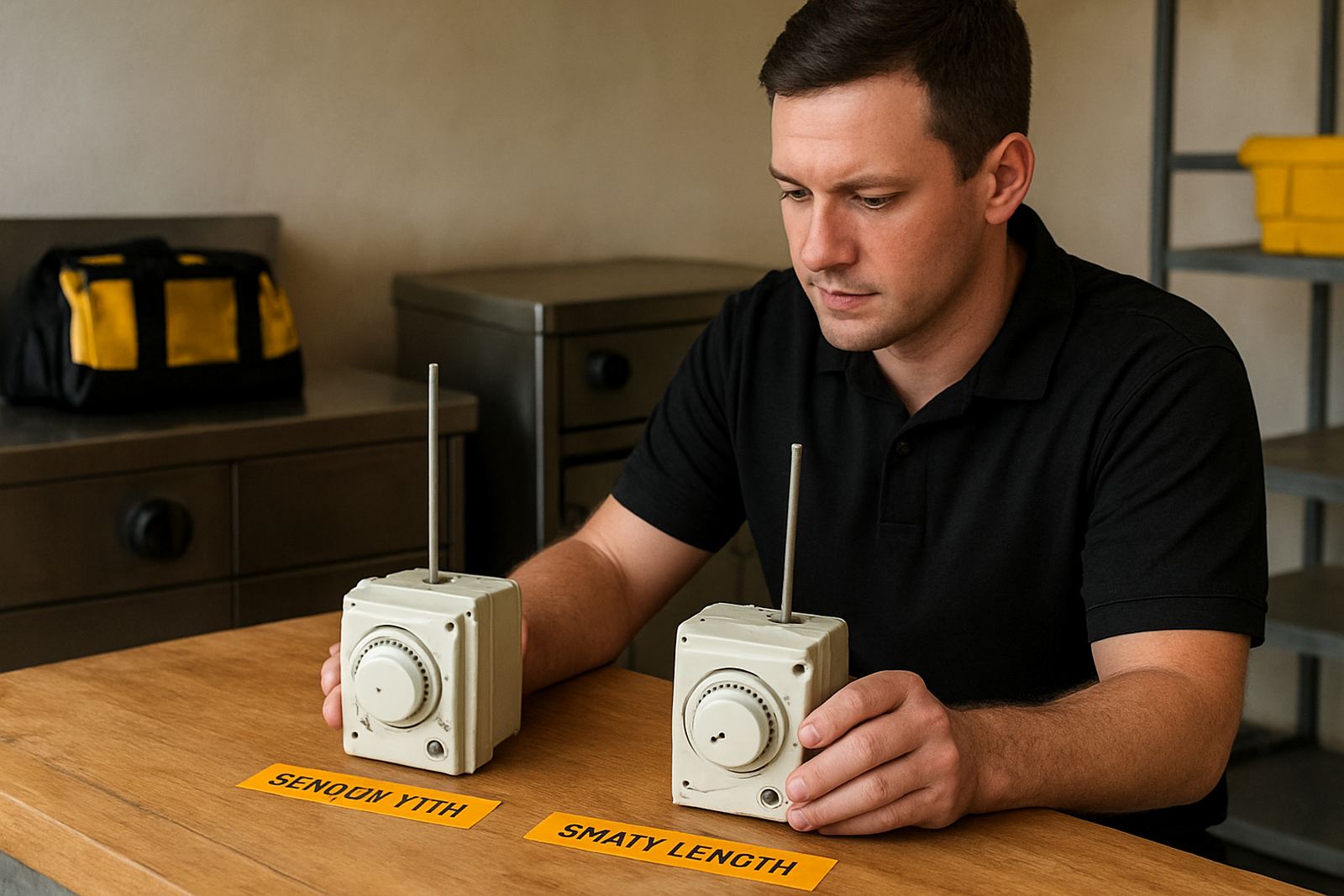
Control heat or stop a fault: the two jobs are not the same
In a commercial kitchen, a thermostat usually controls normal operating temperature. It tells the element, burner or heating circuit when to switch on and off so the machine holds a set heat for baking, frying or washing. A limit device is there for protection. It cuts power if the equipment gets too hot, often because of poor airflow, scale build-up, a failed fan, or a stuck relay.
That difference matters on a Monday breakfast rush in Midrand or a Friday night in Durban when the line is already under pressure. If the control thermostat is out, the machine may underheat or cycle badly. If the limit has tripped or failed, the unit may not start at all. You need to know which one has done the job before you order parts.
How to spot a control thermostat problem
Control thermostat faults usually show up as poor temperature control. The oven takes too long to recover after the door opens, the fryer overshoots, or the dishwasher wash tank never reaches temperature. Sometimes the machine still runs but the results are off, which makes the fault easy to miss until food quality drops or water stays lukewarm.
- Temperature swings more than normal
- Food cooks unevenly or burns on one side
- Water or oil never reaches the set point
- The thermostat knob or probe reads correctly but the unit behaves badly
- Short cycling that keeps the heating parts clicking on and off
If the site is in a coastal area like Cape Town or Durban, moisture and grease can also affect probes, connectors and switch contacts. A loose terminal or corroded spade can look like a bad thermostat, so checking the wiring matters just as much as testing the part itself.
What a safety limit tells you before bigger damage happens
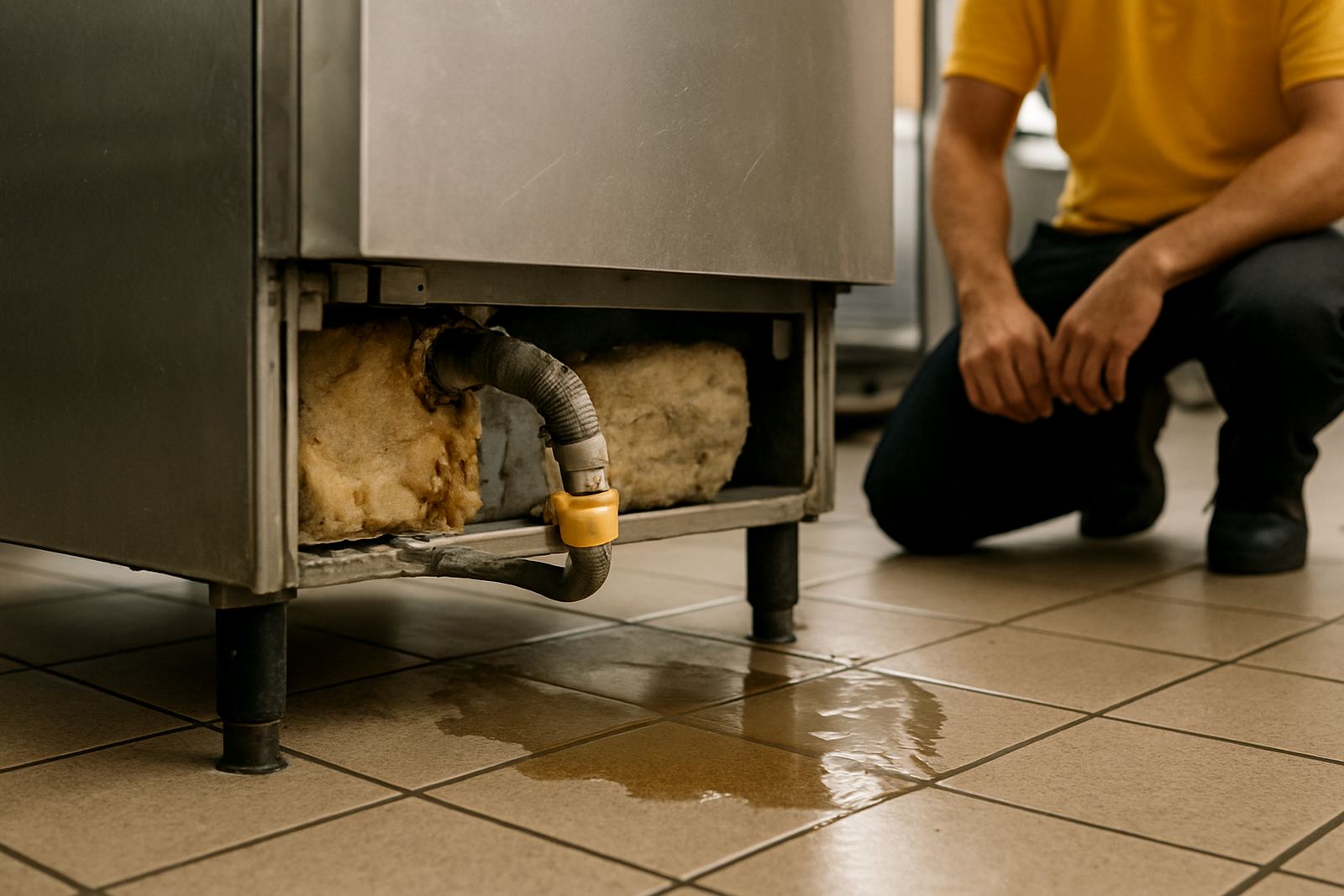
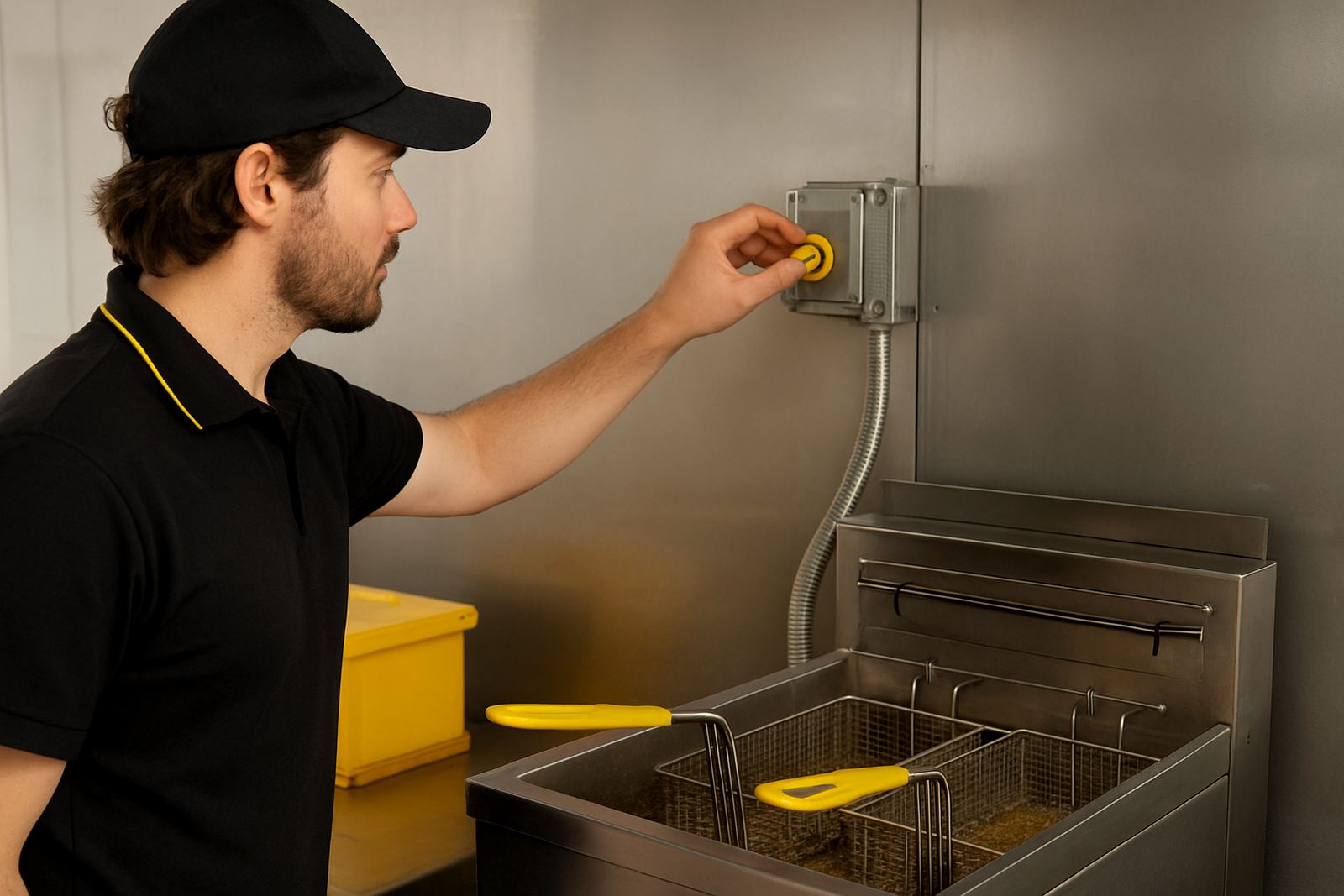
A safety limit is there to stop damage and reduce fire risk. It will often trip when a cavity, tank or housing gets too hot. On some machines it resets automatically, while others need a manual reset after the fault is cleared. If the limit keeps opening, there is usually another issue underneath, such as a failed fan motor, a blocked vent, a faulty contactor, or a thermostat that is letting the temperature run away.
Do not just bridge out a limit to keep trading. That might get the machine running for an hour, but it puts staff, stock and the appliance at risk. On a municipal inspection or insurance claim, that shortcut can become a much bigger problem than the original fault.
- Check for blocked ventilation or grease build-up
- Inspect terminals for heat damage or looseness
- Confirm whether the reset is manual or automatic
- Test the control circuit before replacing the limit
The common mix-up: same symptoms, different spare parts
Many operators call every heat fault a thermostat issue, but the symptoms overlap. A dead fryer may point to the thermostat, the limit, the element, a switch, or even a supply problem. On dishwashers, low temperature can come from a failed probe, scale on the heater, or a limit that has opened after poor water flow. If you only replace one part without checking the rest, the fault returns and the kitchen loses more time.
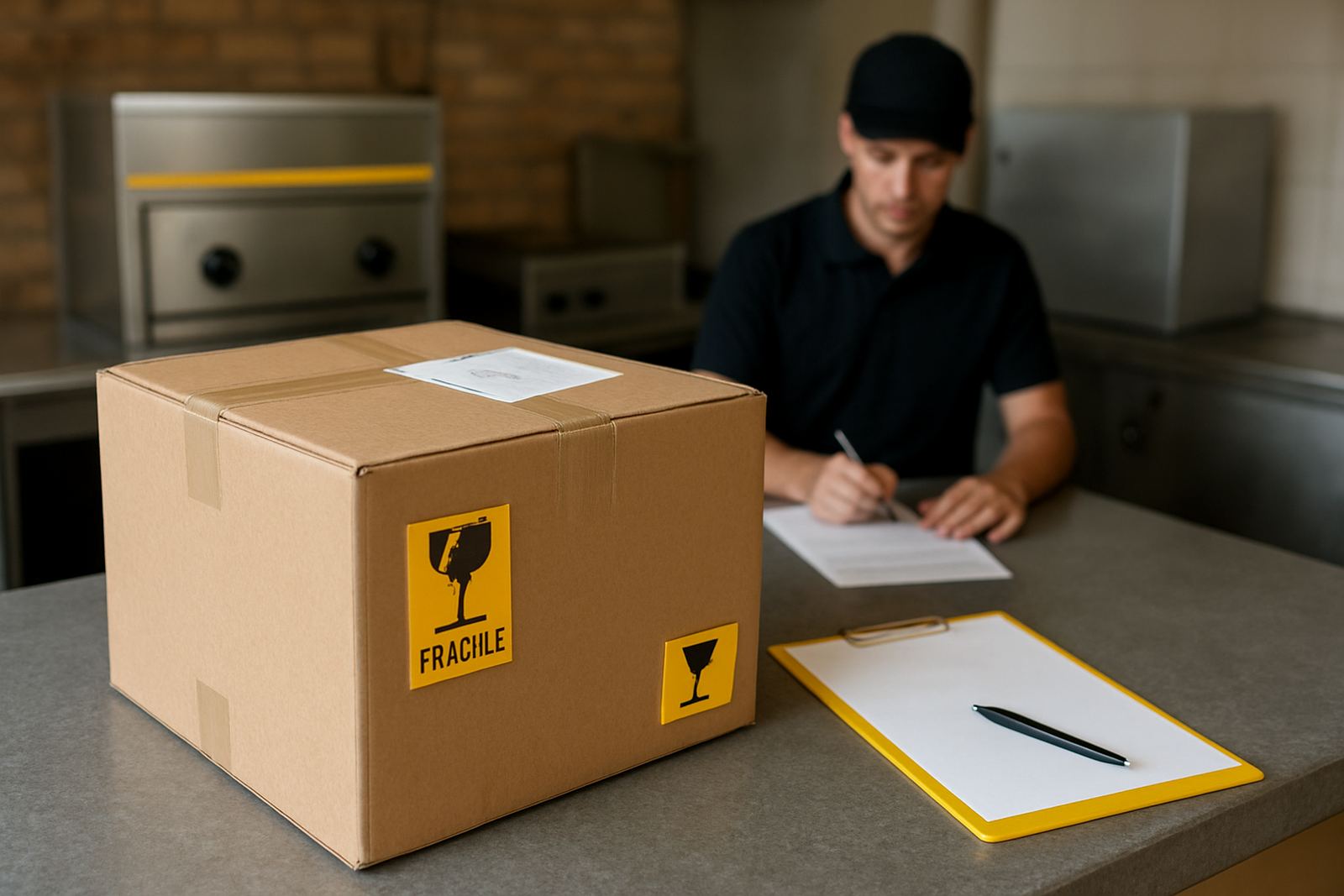
That is why compatibility checks are important. We often see equipment where the physical part looks similar but the temperature range, probe length or terminal layout is different. It only needs one wrong detail and the machine will not operate as it should, or it may fit but still fail under heat.
Before you fit a new part, check these basics
Good diagnosis saves money. Before changing a thermostat or limit, confirm the machine is getting the right power, that the wiring is sound and that the heating load is intact. On three-phase kit, one weak leg can create strange symptoms. On single-phase machines, a tired plug, burnt terminal or overloaded extension lead can make the fault look like a bad control part.
Use this quick checklist before ordering:
- Record the model number and serial plate details
- Check whether the part is a control thermostat or safety limit
- Measure the probe length and capillary route
- Inspect terminals, connectors and heat damage
- Look for grease, scale or corrosion around the fitting point
If the unit has been sitting through load-shedding or repeated power dips, also ask whether the issue started after a surge. A damaged switch or contactor can take out the control circuit and make the thermostat seem faulty when it is not.
A local example from a busy kitchen in Gauteng
A takeaway kitchen in Johannesburg phoned after its oven started cutting out halfway through a baking cycle. The staff had already replaced the visible control knob, but the fault remained. Once the panel was opened, the control thermostat tested badly and the safety limit had also tripped because the cooling fan was not moving enough air. The fan fault was the real cause, the thermostat was doing its job poorly and the limit was protecting the unit.
That is the kind of problem we see every week across Midrand, Pretoria and the Vaal. One symptom can point to three different parts. If you only replace the part that is easiest to see, the kitchen still stands still and the bill grows. A proper test, plus the right spare, gets the machine back into service without guesswork.