Start with the symptom, not the machine type
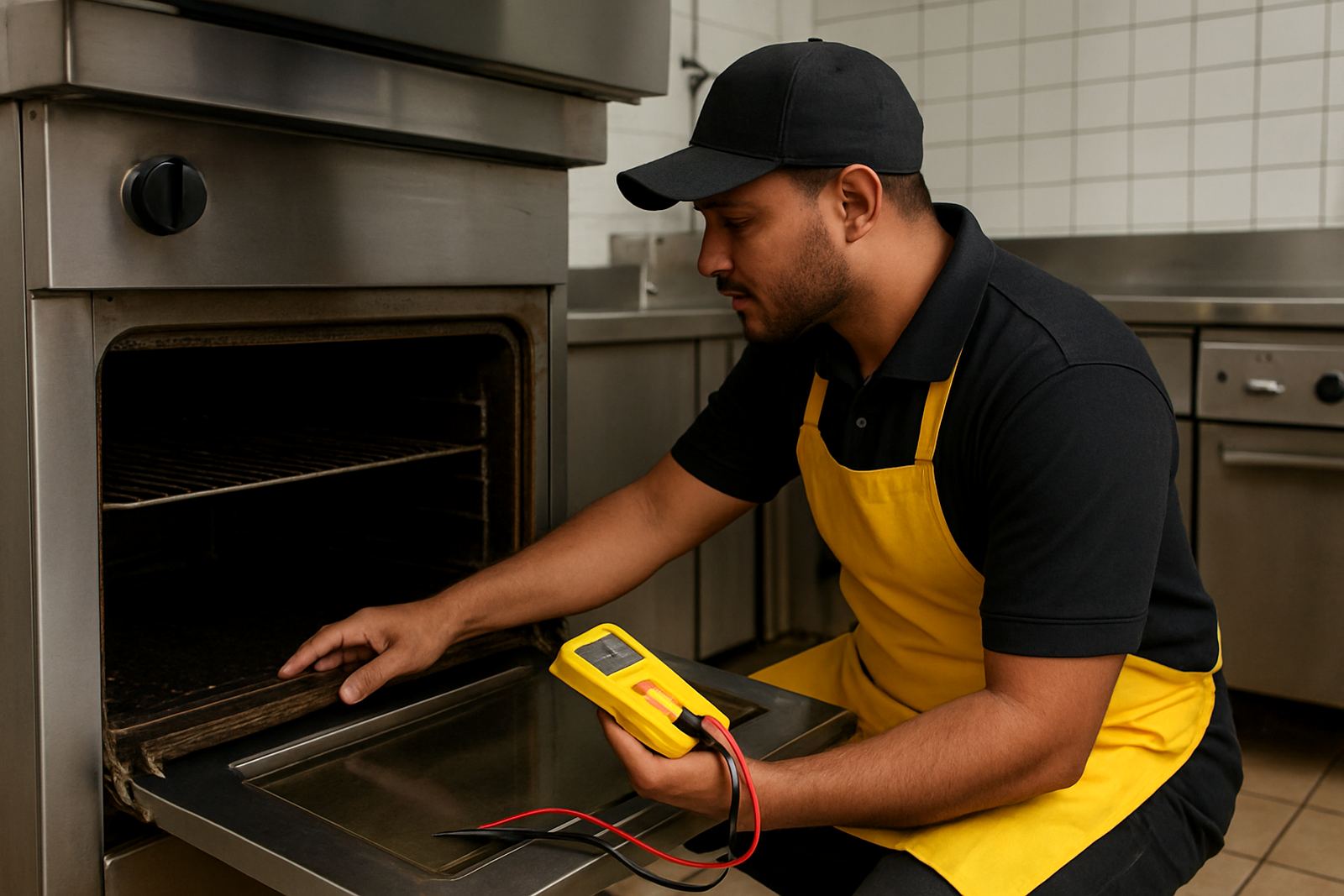
Commercial kitchen equipment can fail in ways that look similar at first. No heat, uneven heat, tripping, poor wash results, leaking and odd noises can all come from different parts, so it helps to begin with what you can see or measure. A slow oven may need an element, a fryer that will not hold temperature often points to a thermostat, and a dishwasher with poor cleaning may need a heater, switch or gasket checked before anything else.
These guides are arranged by fault, not by guesswork. If you know the symptoms, pick the page that matches the problem closest, then compare the part shape, rating and terminal layout before you buy. That saves time for busy kitchens in Johannesburg, Pretoria, Durban or Cape Town where downtime can cost a full service rush.
How to choose the right guide
Each page narrows the likely causes by the way the equipment is behaving. Look at heat, power, water, sealing and control issues, then follow the guide that fits best. If you are not sure, start with the most common wear items first because they are often the ones that fail under daily use, especially in kitchens running through load shedding or heavy weekend trade.
- Use the oven guides for no heat, slow recovery or uneven baking.
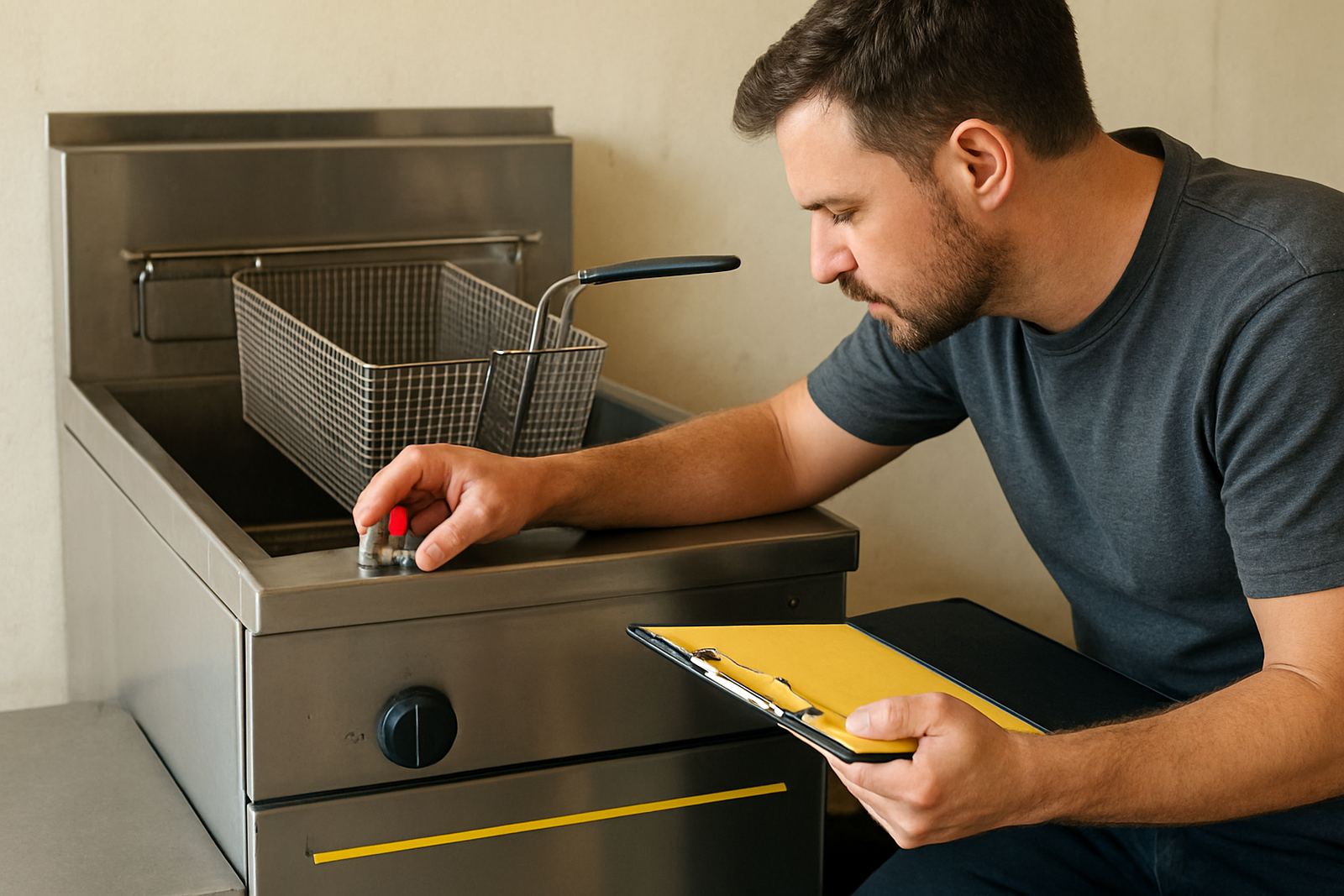
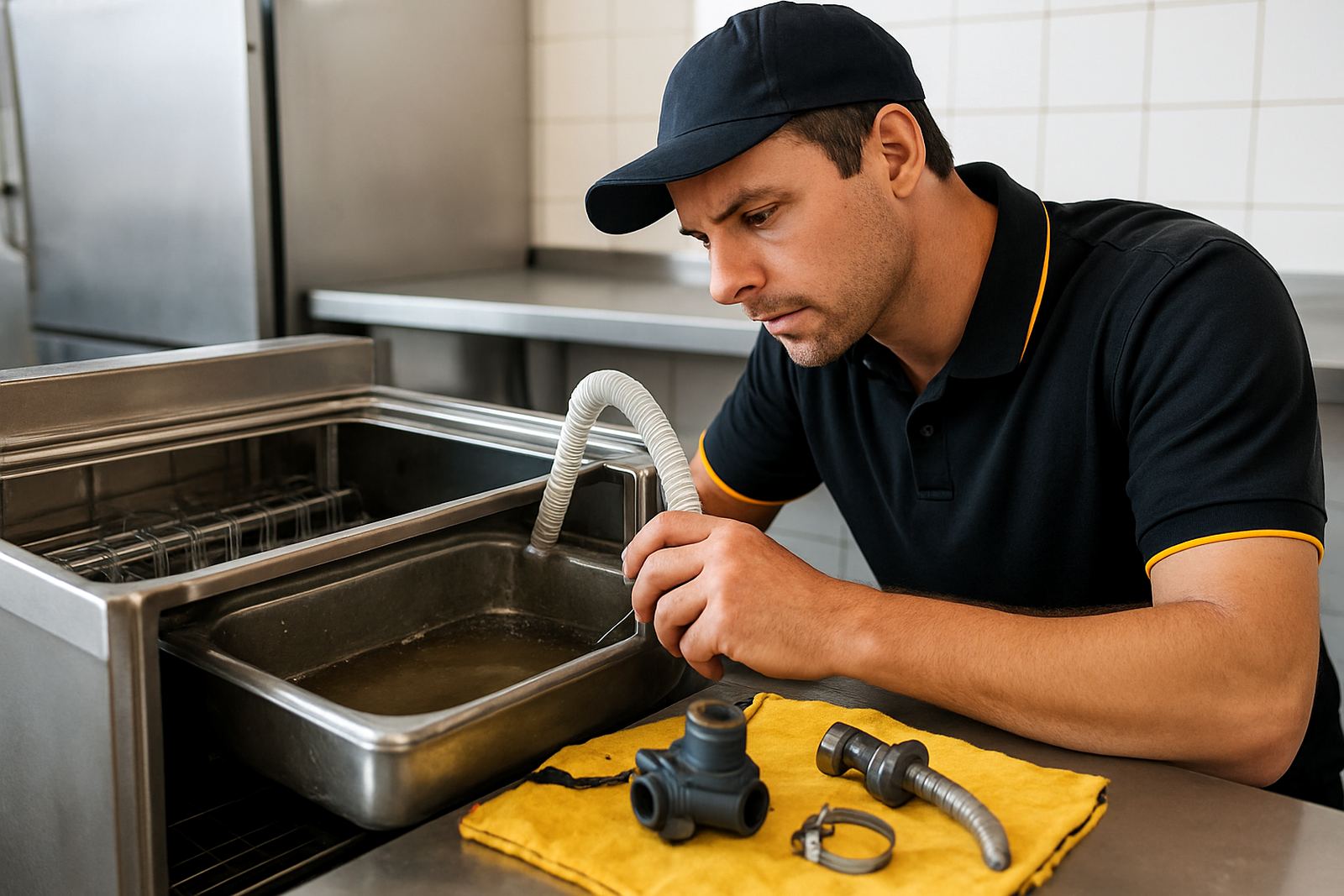
- Use the fryer guides for temperature drift, pilot problems or overheating.
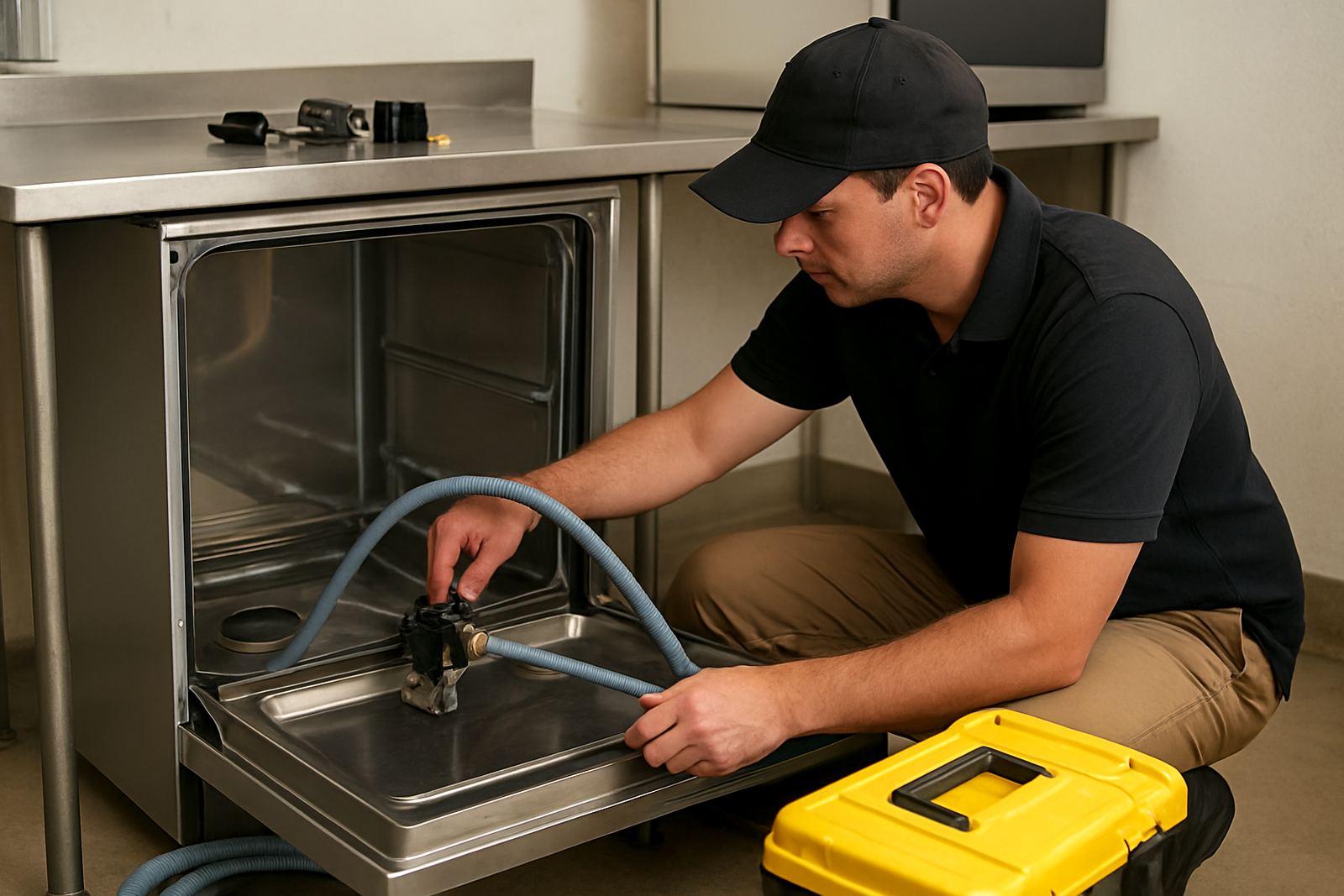
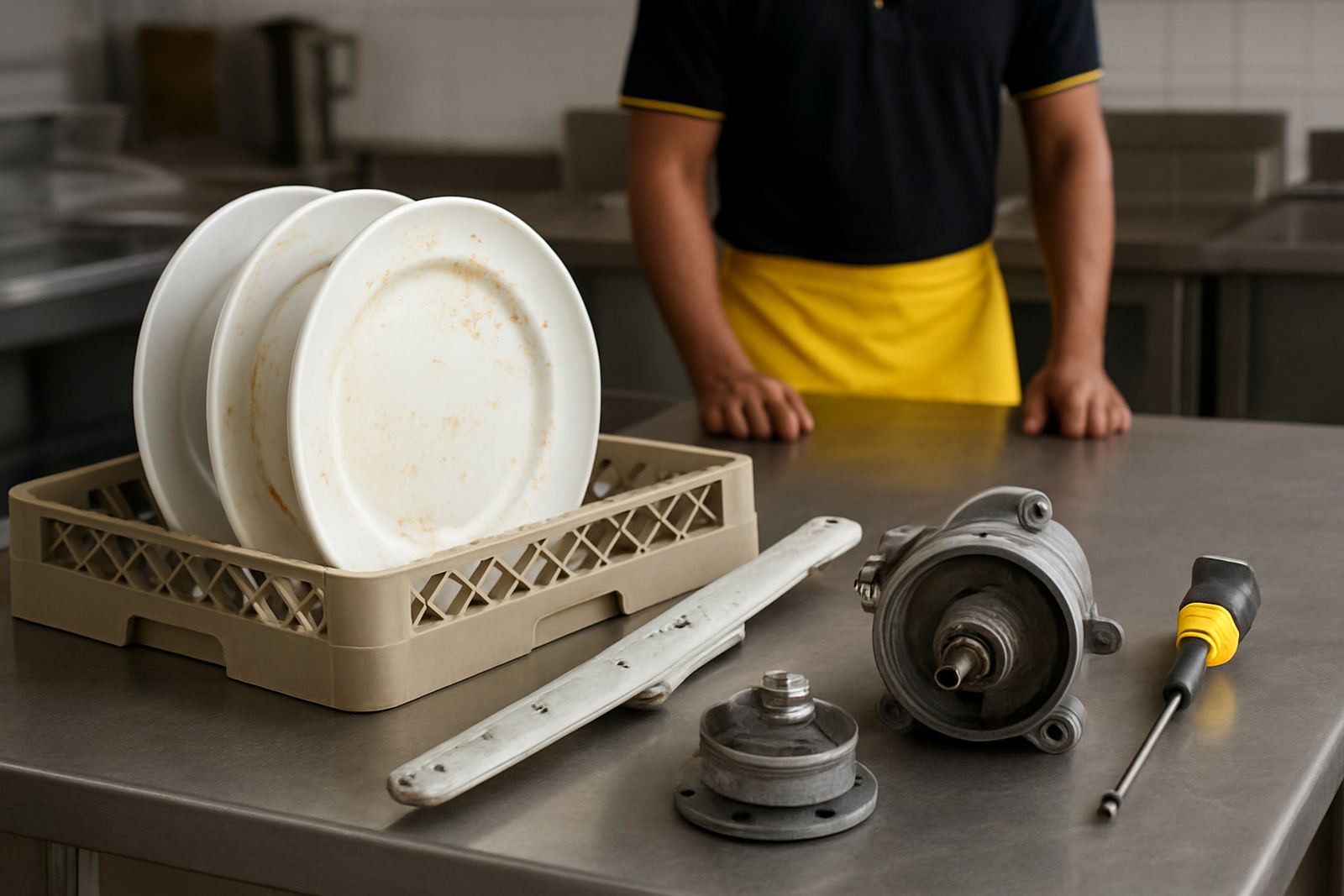
- Use the dishwasher guides for poor wash results, leaks, failed cycles or no rinse heat.
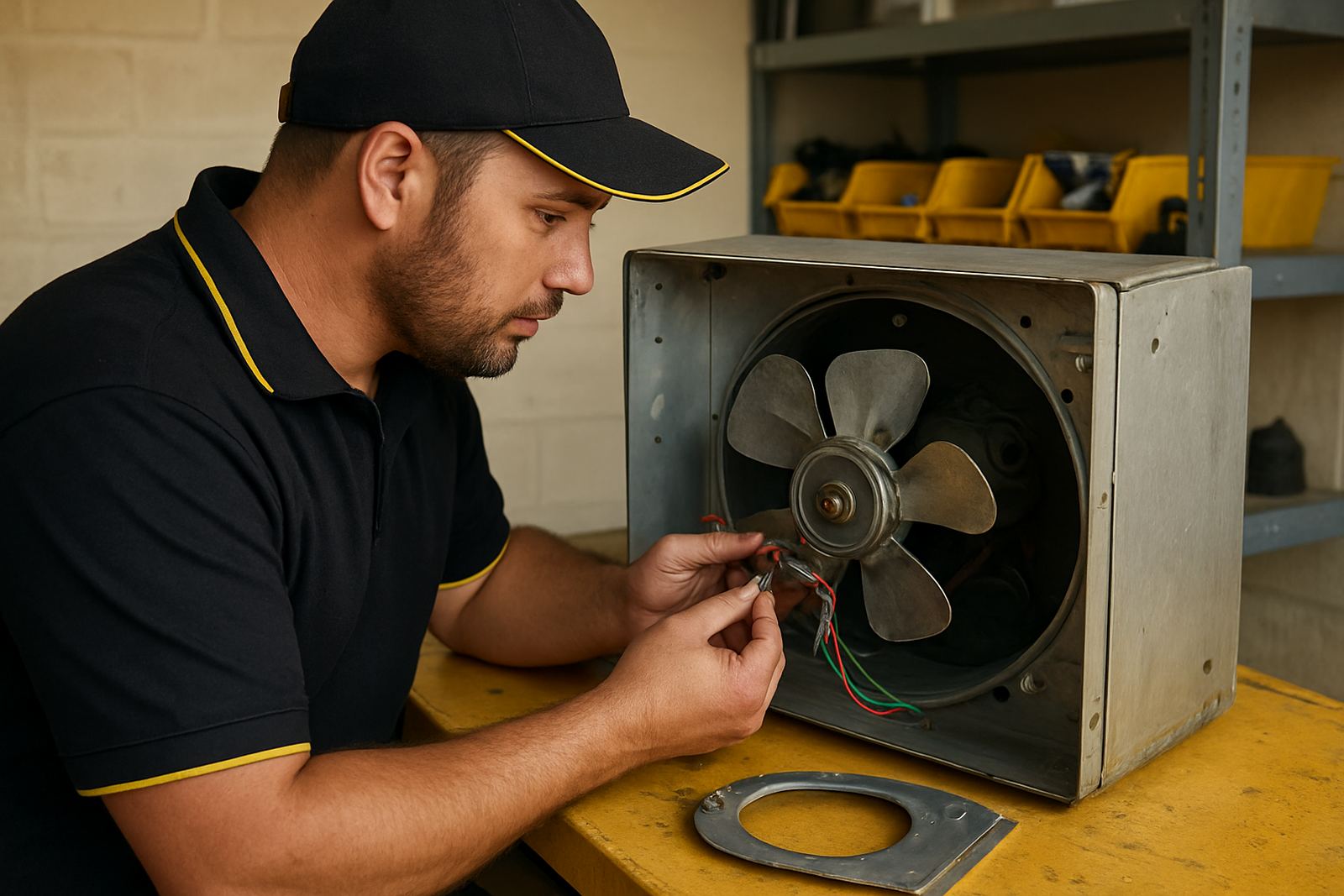
If a fault changed after cleaning, power loss or a move between sites, check the wiring, terminals and mounting points as well. A loose connection or damaged gasket can look like a bigger failure at first glance.
Common parts behind common faults
Some parts fail more often because they work hard every day. Heating elements can burn out, thermostats can drift out of range, gaskets can harden and split, burners can block, and switches can wear from constant use. In coastal areas like Durban and parts of Cape Town, moisture and salt in the air can speed up corrosion on terminals and control parts. In hotter kitchens, heat stress can shorten the life of plastic switches and seals too.
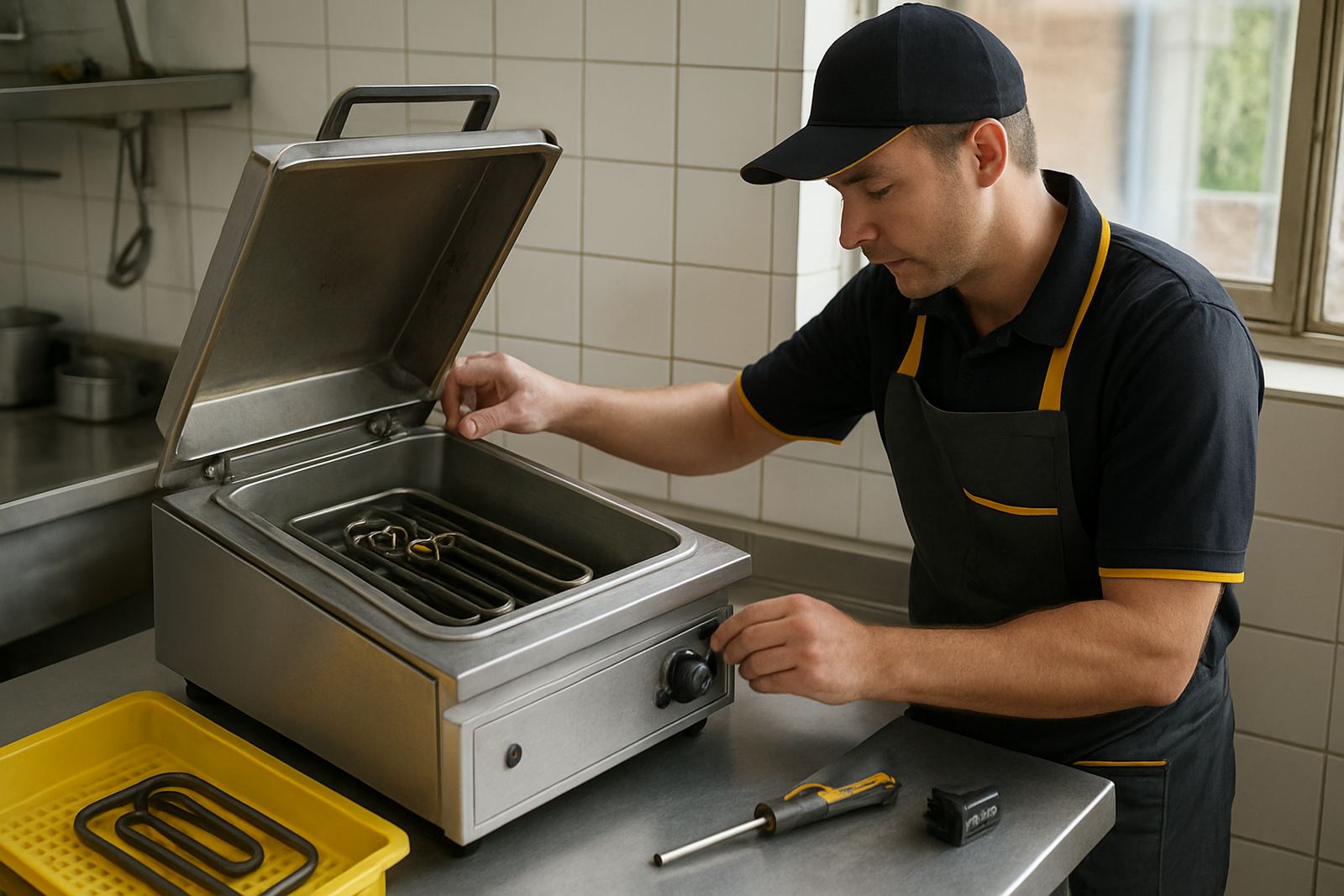
- Elements for ovens and dishwashers that heat slowly or not at all.
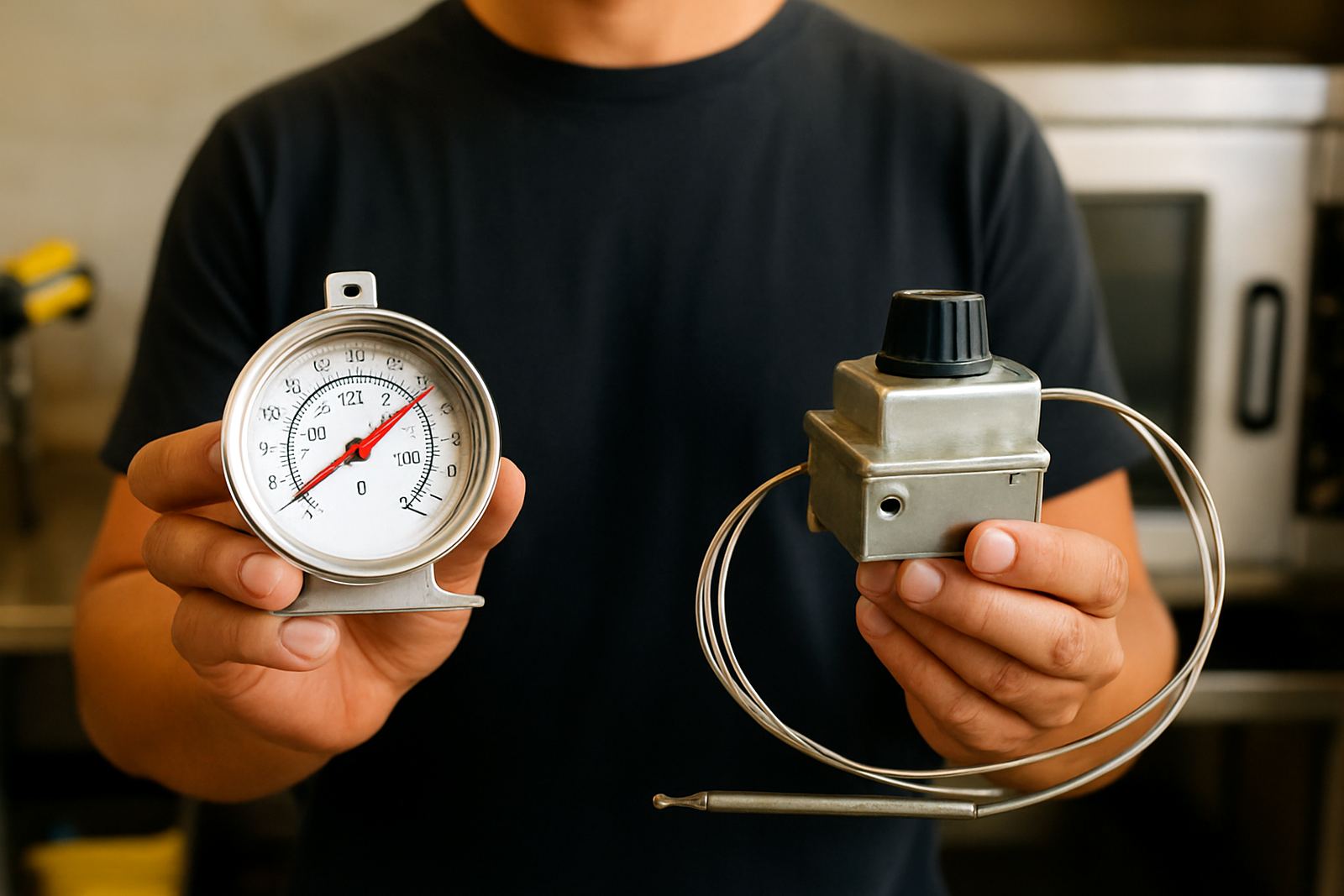
- Thermostats for temperature swings, overheating or poor recovery.
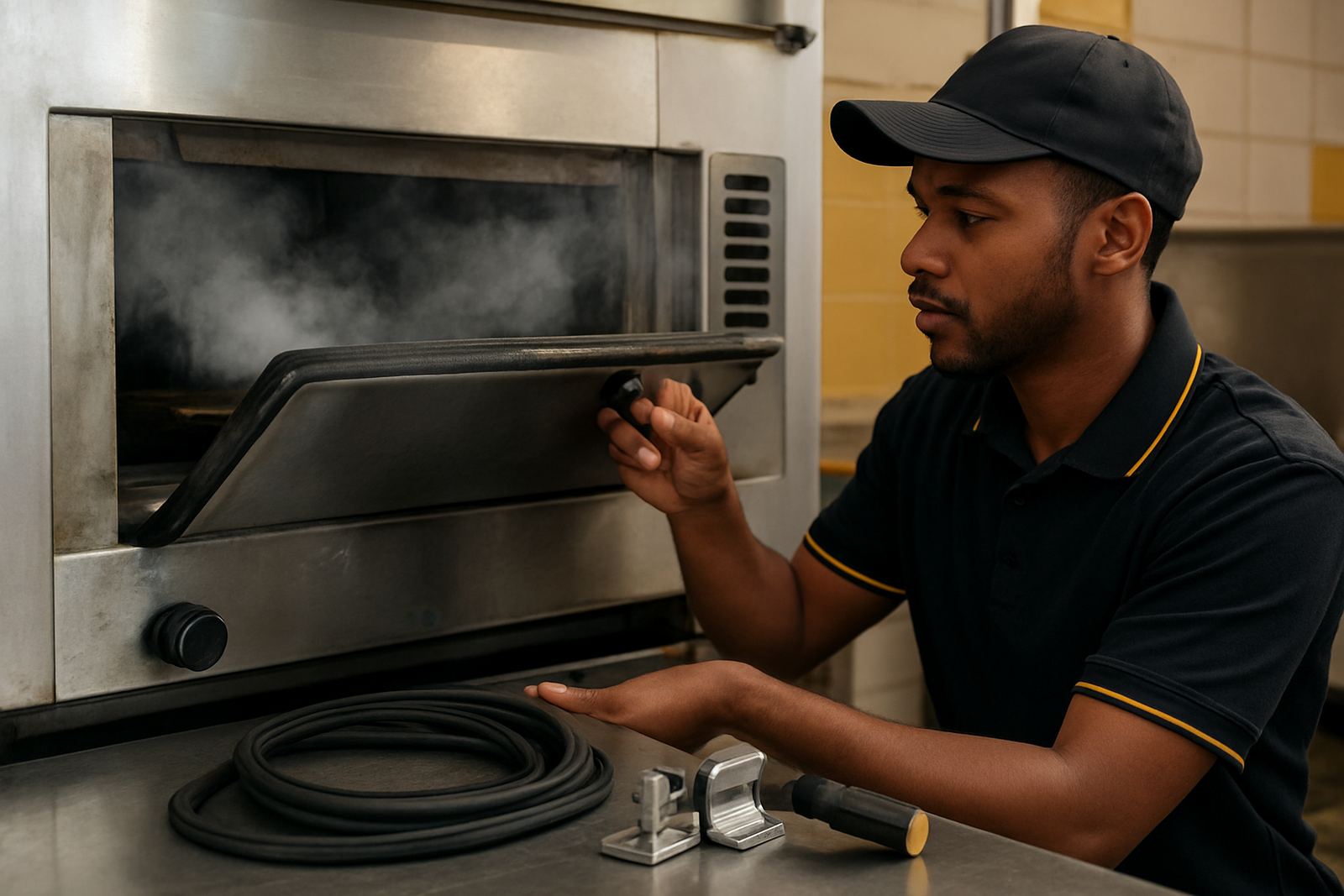
- Gaskets for heat loss, steam leaks and doors that no longer seal properly.
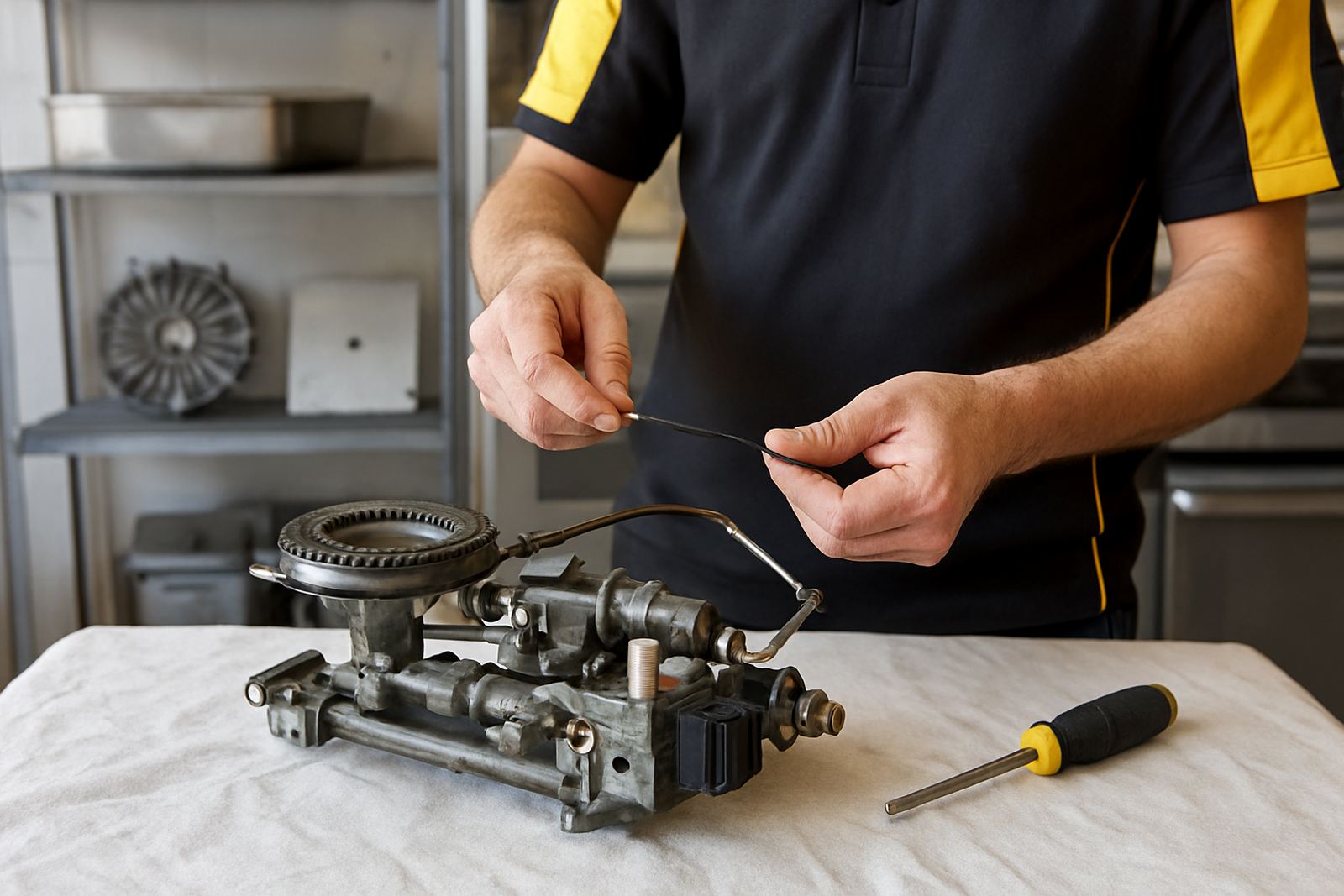
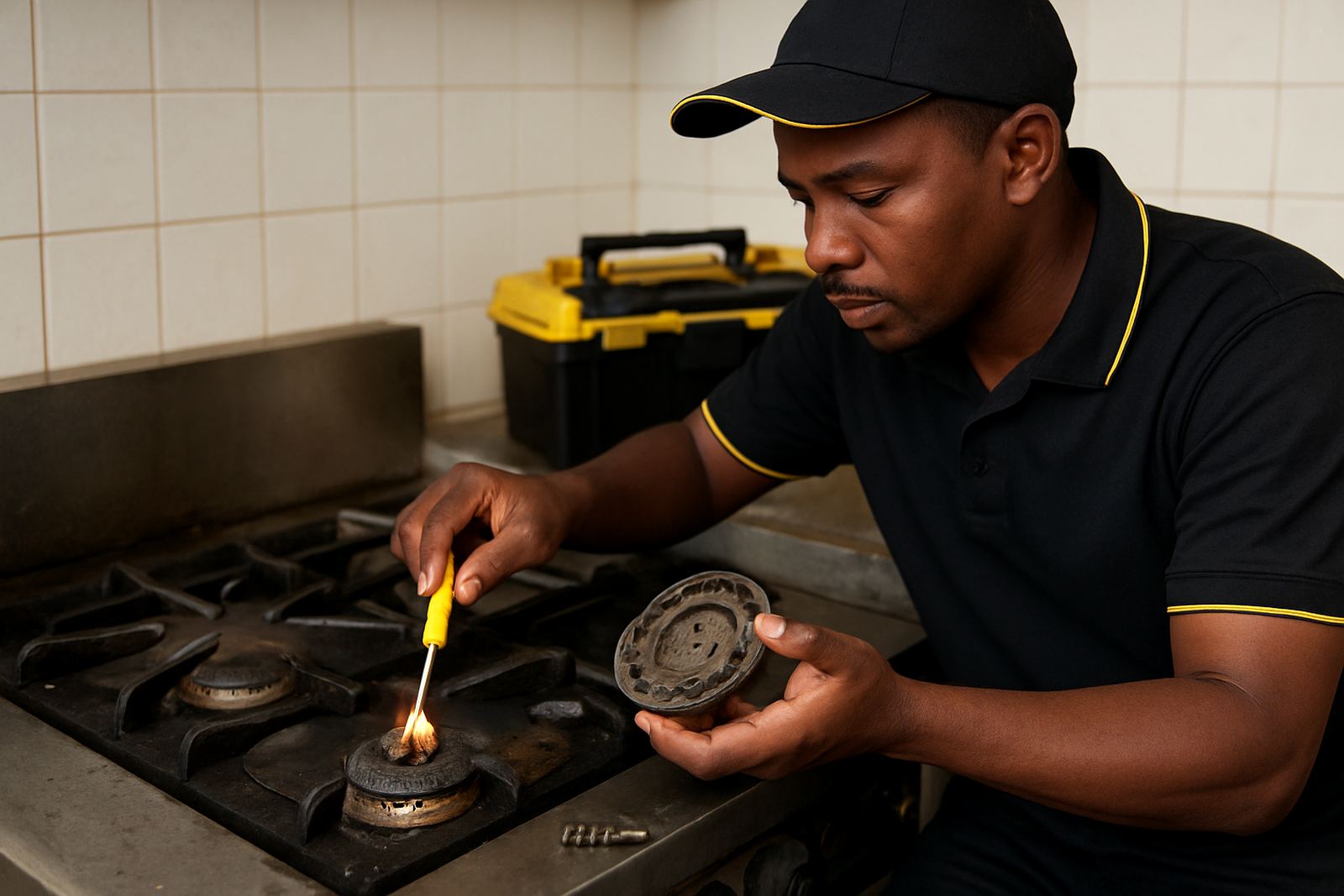
- Burners for weak flame, delayed ignition or uneven heating.
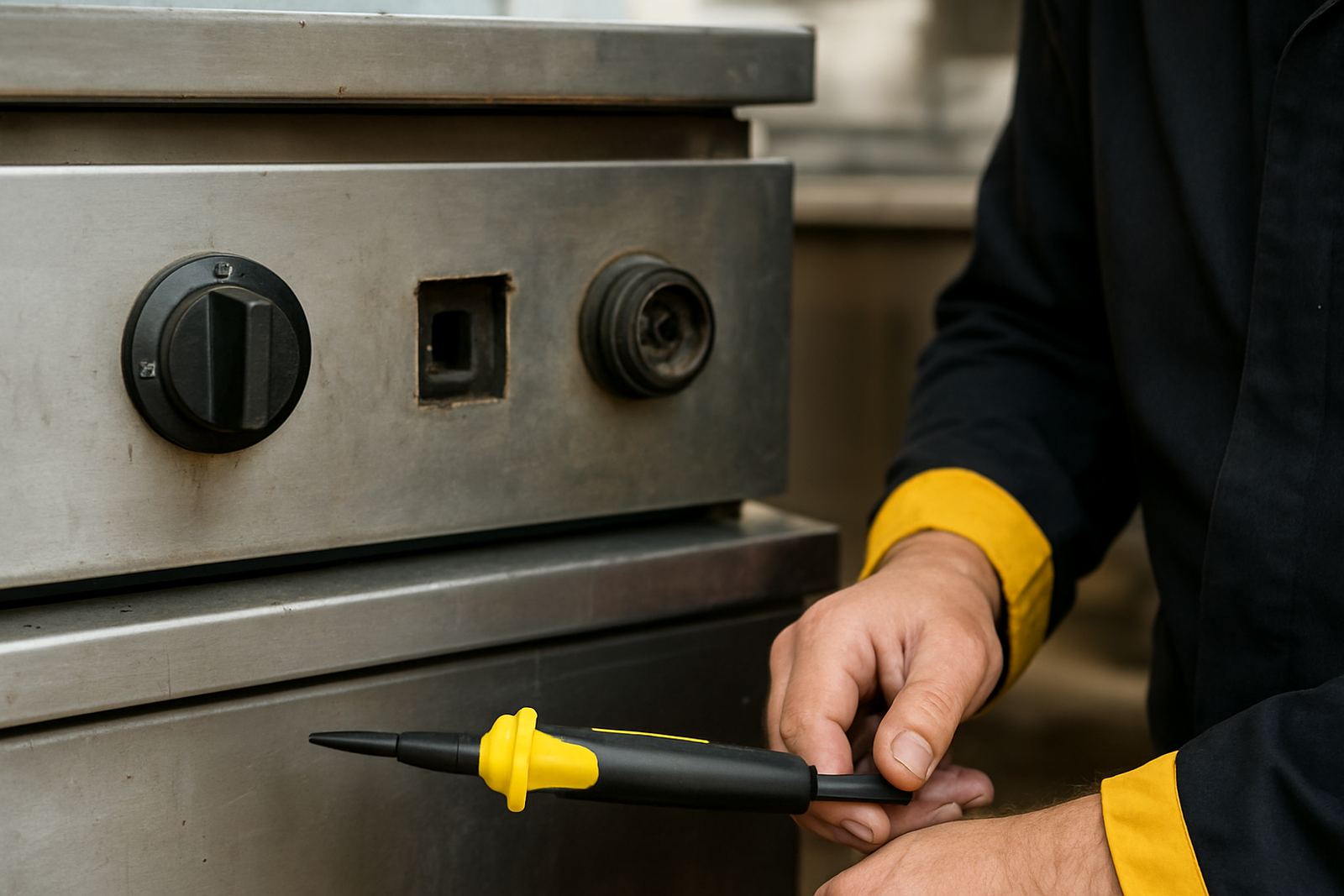
- Switches for dead controls, intermittent operation or burnt contacts.
What to check before you order
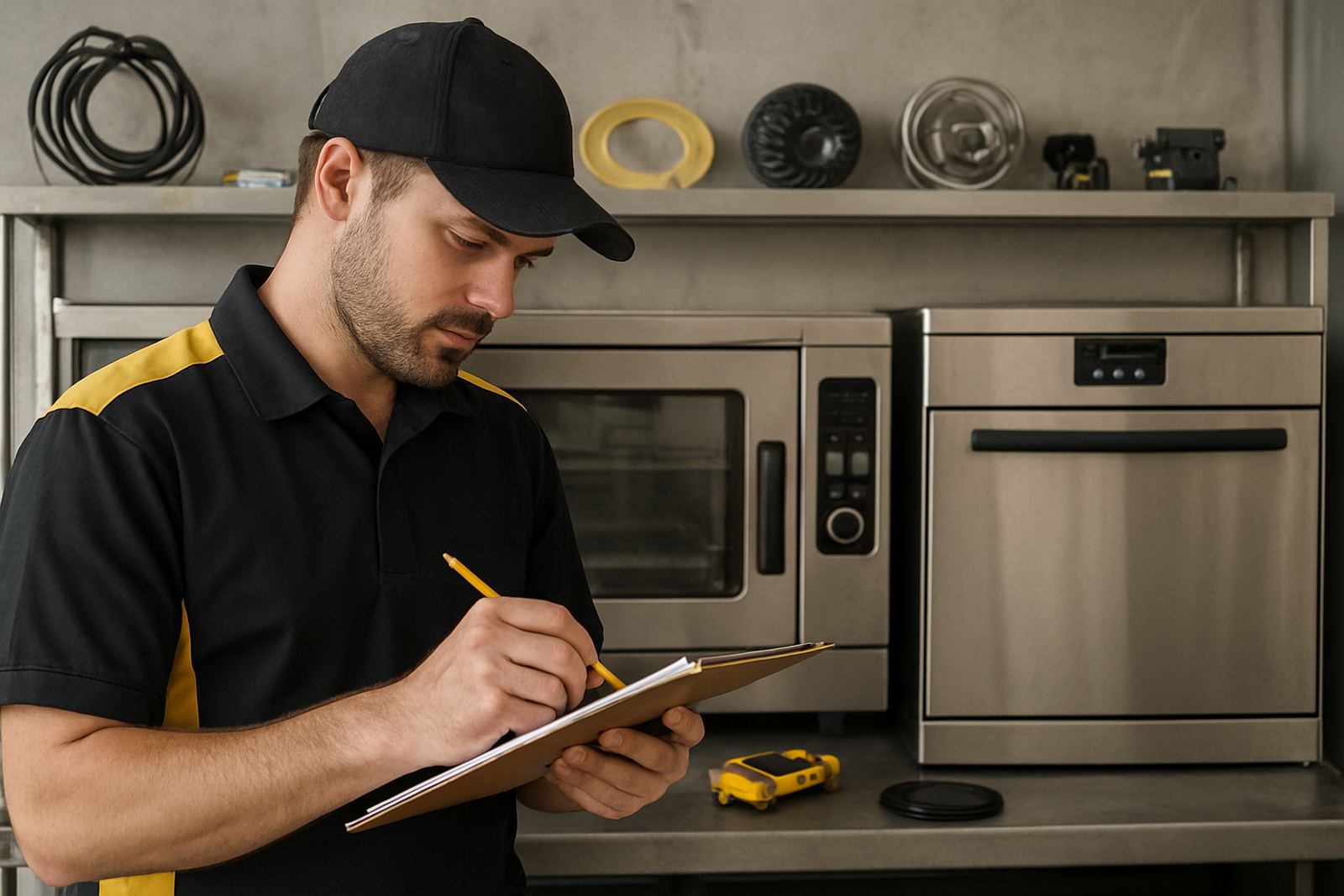
Before you place an order, confirm the rating, size, terminal position and fixing style. A part can look close but still be wrong by a few millimetres or have terminals in the wrong place. For dishwashers and ovens, check the model plate and take note of the current part number if it is still readable. If the old part is burnt or swollen, compare it with the opening, bracket and wiring rather than the damage only.
Our team can help with part identification and compatibility checks from Midrand, with national dispatch for sites across Gauteng and further afield. If you need fitting support, the same job may also call for post-fit testing so the unit can be checked under normal operating conditions before it goes back into service.
When a simple part swap is not enough
Some faults point to more than one item. For example, a fryer that keeps tripping may have a failed element and a damaged switch, while a dishwasher that leaves dishes dirty may need both a heater and a blocked spray path checked. If a gasket has been leaking for a long time, nearby insulation, hinges or latches may also be affected. In those cases it is better to inspect the full assembly, not just the single failed item.
We support kitchens, canteens, hotels and takeaways that need clear advice and practical spares. If you are in Midrand, Johannesburg, Pretoria, Durban, Cape Town or Bloemfontein, you can use the fault guides to narrow the problem then match the part to the machine before ordering.
Use the fault finder as a quick buying tool
The purpose of this hub is simple: help you move from symptom to likely part faster. It is built for kitchen managers, technicians and owners who need to keep ovens, fryers and dishwashers working without wasting time on the wrong spare. Once you have the fault narrowed down, the linked pages will give you a tighter match for the part type and the fitting approach.
Choose the guide that matches the machine behaviour, check the physical details, and if needed ask for compatibility support before dispatch. That usually means fewer return trips, less downtime and a cleaner repair on site.