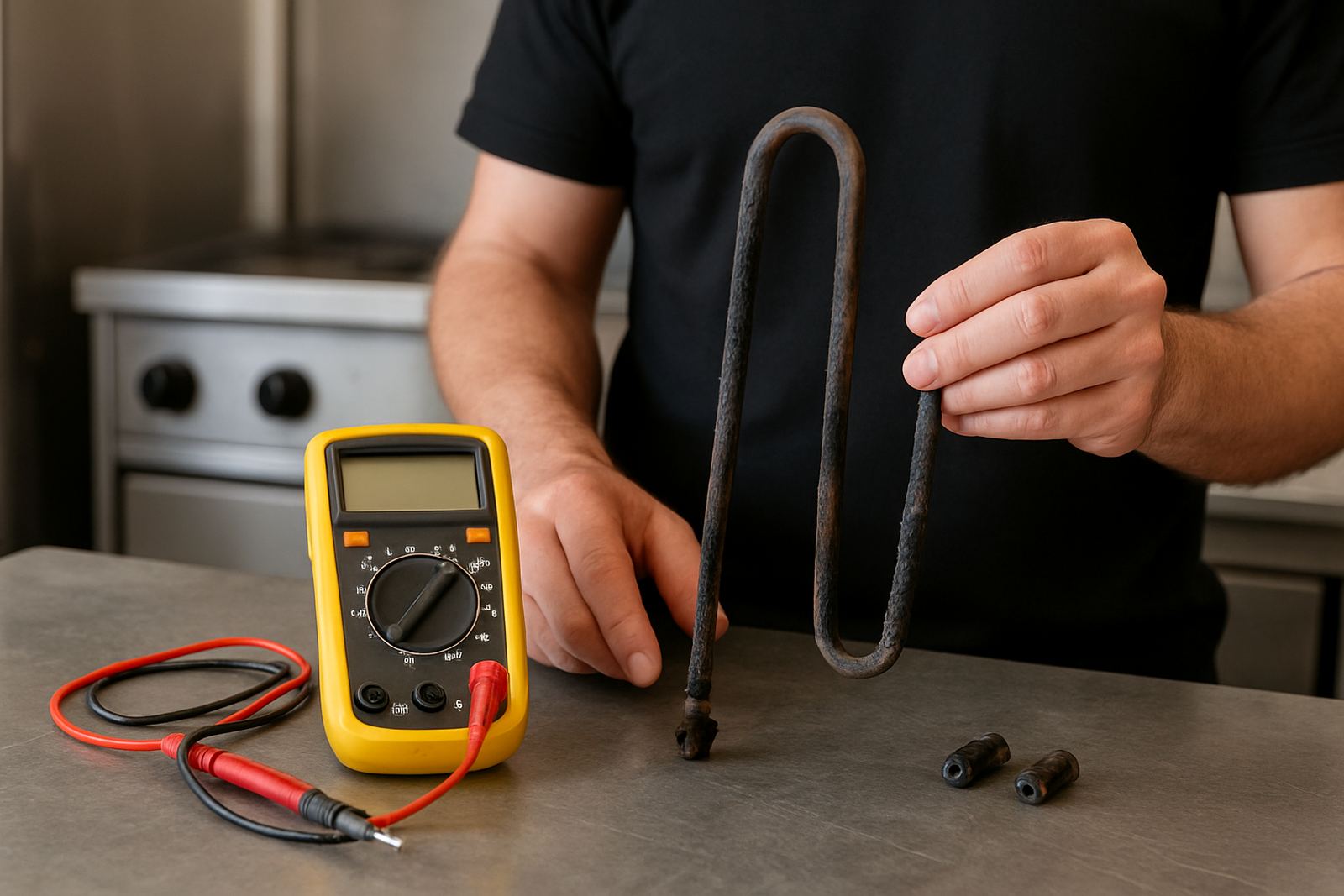
Why a weak element causes bigger kitchen trouble
A bad element does not always stop working all at once. In many commercial kitchens it starts by heating unevenly, running slower than usual or pulling extra power before it finally gives up. That means a fryer takes longer to recover after a batch, an oven struggles to hold temperature and a dishwasher leaves plates coming out cooler than they should.
In South African kitchens this often shows up during load-shedding recovery, after power surges or where equipment runs long hours in heat and humidity. If staff keep turning the heat up to compensate, the real fault can get masked for days. The result is wasted electricity, poor cooking control and extra stress on switches, thermostats and wiring.
The signs your element is failing or already gone
You do not need to open the machine to spot every problem. A few common signs point straight to the element, or at least make it the first part to check.
- Slow warm-up times compared with normal operation
- One part of the oven, fryer or tank heats while another stays cold
- Food takes longer to cook or cook times vary from batch to batch
- The thermostat keeps calling for heat but the temperature does not climb
- Visible scorching, bulging, cracks or a burnt smell near the element housing
- Frequent tripping, especially when heat cycles start up
If the unit switches on but the temperature never settles properly, the element may be breaking down internally. In some cases it will still show continuity on a quick test, but under load it fails. That is why a proper check matters more than guesswork.
What burnt terminals and odd smells usually mean
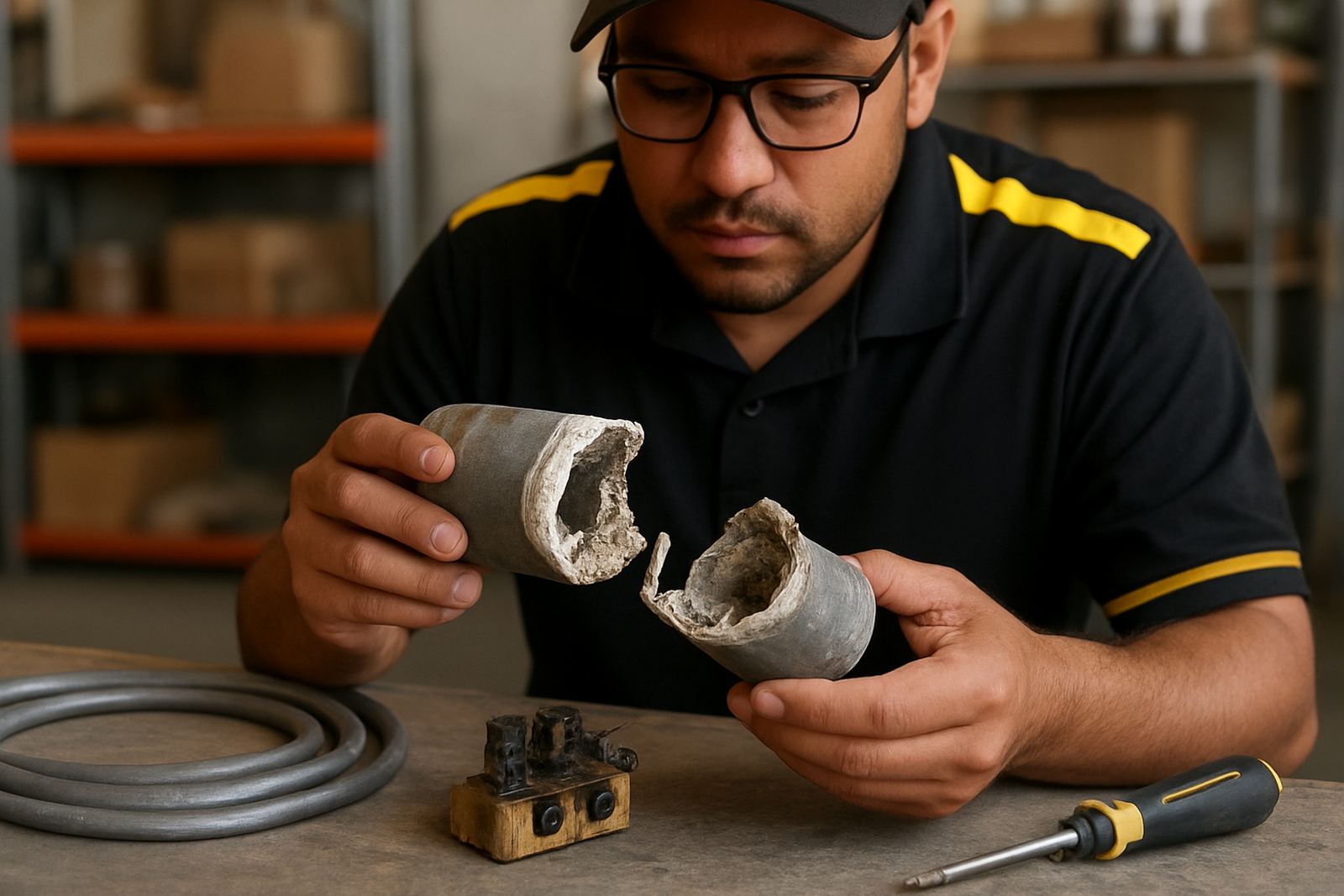
Discolouration around the terminals is a warning sign many kitchens ignore until the part fails completely. A loose connection creates heat, then more heat, then carbon build-up. Once that starts, the element may still work for a while but it is already running hot in the wrong place.
Burnt insulation, black marks, melted spade terminals or a sharp electrical smell can point to a part that is overloaded or drawing current badly. In coastal areas like Durban, moisture in the air can speed up corrosion on terminals and connectors. Inland, dust and grease can cause the same contacts to work loose over time.
If the element is inside a dishwasher or fryer and the smell gets stronger when the unit cycles on, stop and inspect it before the fault spreads. A small connection issue can become a wiring repair very quickly.
When the fault is not the element itself
Not every heating fault is caused by the element. A thermostat can fail, a switch can burn out, a relay can stick or a control board can stop sending power. That is why a proper compatibility check and test sequence matters before you order parts or strip the unit apart.
Look for these clues before replacing anything:
- The display or indicator shows heat demand, but the element never energises
- The thermostat clicks, but there is no rise in temperature
- A switch panel feels hot or shows signs of arcing
- The machine works after a reset, then fails again later in the day
These signs often point to a control issue rather than the heating part. Replacing the wrong item costs money and keeps the kitchen down for longer, which is a bad trade on a Saturday in Pretoria or a packed supper service in Cape Town.
A quick check before you call for parts
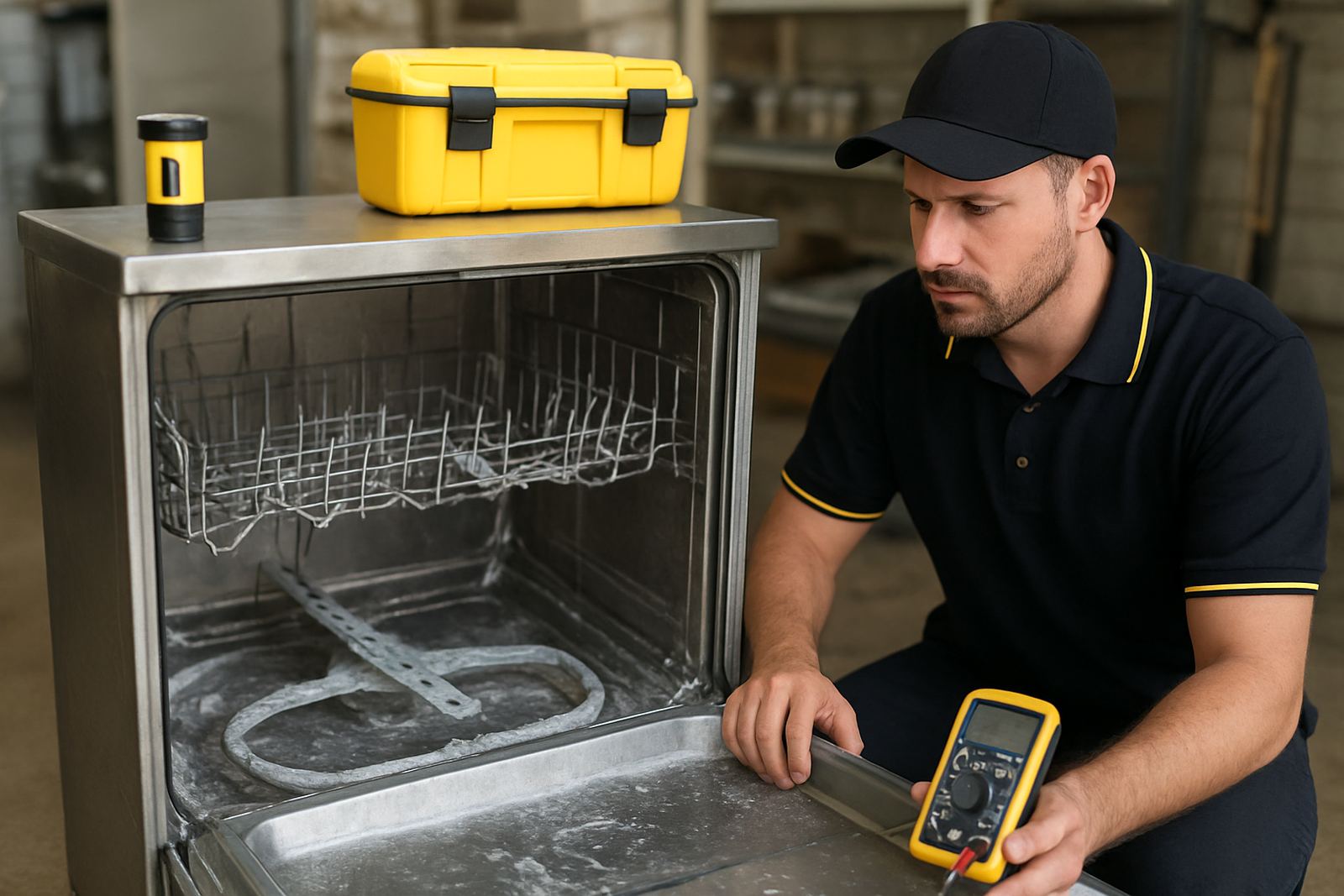
If it is safe to do so and the unit is isolated, a basic check can help narrow the problem. You do not need a full workshop to spot obvious damage, but you do need care around mains power and hot surfaces.
- Switch off and isolate the machine before opening covers
- Check for visible cracks, bulges or burnt points on the element
- Look at terminals, connectors and cable ends for heat damage
- Confirm whether the fault affects one zone or the whole unit
- Compare the part number, wattage and size before ordering
If there is any doubt, note the model details and send clear photos. That makes part identification easier and avoids a return caused by the wrong length, voltage or fitting style. In Midrand, where kitchens often carry mixed equipment, that step saves a lot of back and forth.
A local example from a busy Midrand kitchen
A restaurant near Midrand called in after its oven started taking nearly 20 minutes longer to reach service temperature. Staff thought the thermostat was at fault because the dial still turned and the indicator light worked. On inspection, the element showed dark hot spots and one terminal had begun to burn. The oven was still heating, just not properly.
Once the correct element was matched and fitted, temperature recovery returned to normal and service times came back in line. The real issue had been hiding behind a symptom that looked like a control fault. That is common in commercial kitchens, especially when equipment is pushed hard through lunch and dinner with little downtime.
For many operators, the lesson is simple: if the heat is weak, uneven or slow, do not wait for a complete failure. A failing element often gives warning before it stops.
How to avoid repeat element failures
Once a new element is fitted, a few habits help it last longer. Keep grease and food build-up off surrounding parts, check for loose terminals during routine service and make sure the thermostat is not overshooting the set temperature. Water leaks on dishwashers, poor ventilation around ovens and repeated power interruptions can shorten part life too.
After fitting, test the unit under normal load, not just with the cover open. That confirms the heat cycle is stable and the part is drawing correctly. If a kitchen sees regular surges, damp conditions or hard daily use, it is worth checking connected switches and thermostats at the same time. One weak component can put strain on the next one.
For operators in Johannesburg, Pretoria, Durban, Cape Town or Bloemfontein, the goal is the same: catch the warning signs early, match the right part and get the equipment back to steady heat before the shift gets away from you.