
Temperature probe sensors for accurate heat control
A probe sensor is the part that tells the control board what temperature the appliance is actually running at. On modern ovens, fryers and dishwashers, that reading is what drives heating cycles, safety cut-outs and error codes. If the probe drifts out of range, the unit can underheat, overheat or keep tripping.
These sensors are usually fitted into the cavity, tank or airflow path depending on the machine. They are small parts, but they carry a big job, especially in busy kitchens where equipment is switched on early and pushed hard through lunch and supper service.
- Used with electronic controls, not basic manual thermostats
- Common on convection ovens, combi ovens, fryer controllers and commercial dishwashers
- Helps the machine maintain consistent temperature in daily use
Sizes, connectors and probe styles to match
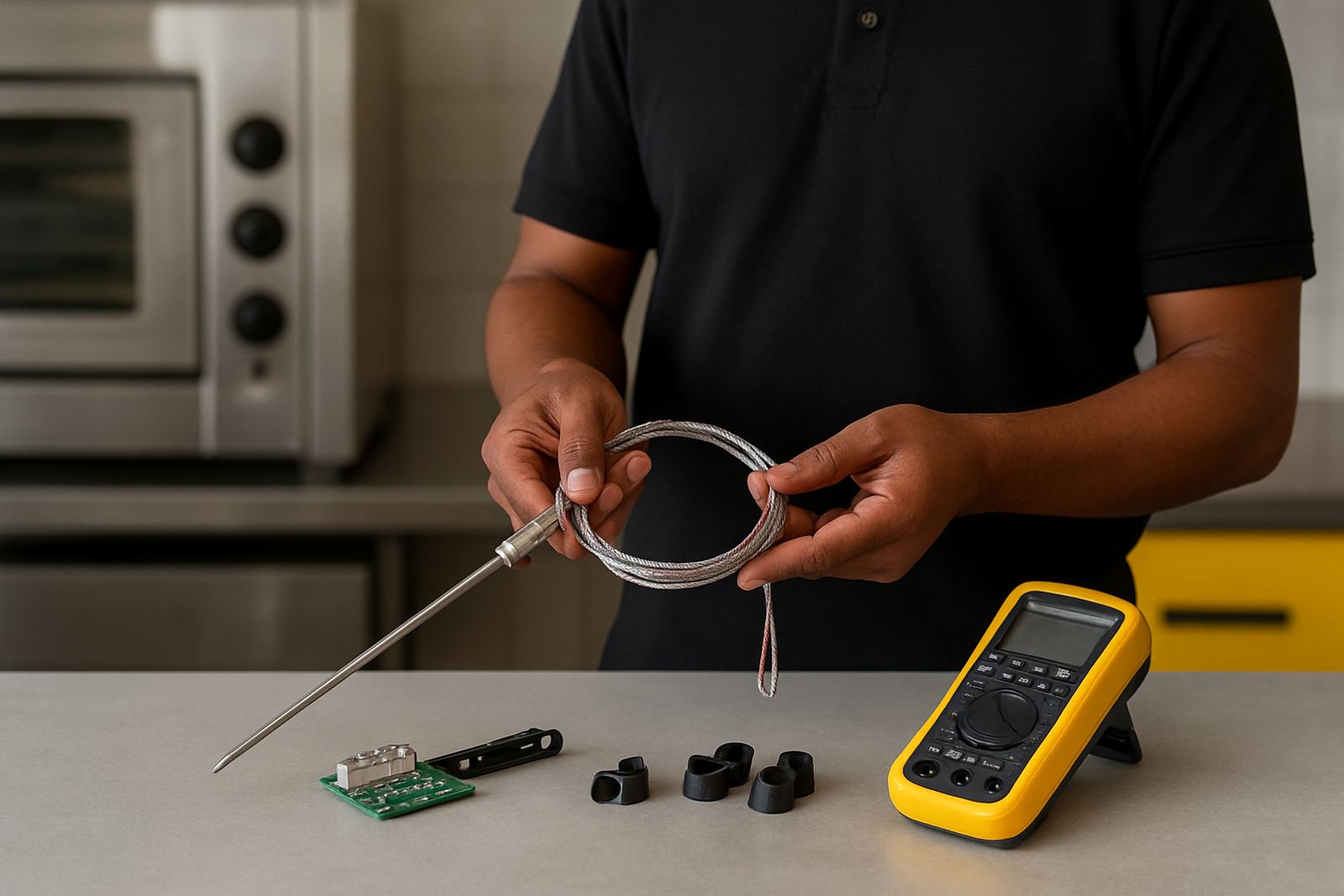
Probe sensors are not one-size-fits-all. Length, cable type, tip shape and connector style all need to match the appliance and its controller. Some units use a straight stainless steel probe, while others need a threaded body, crimp clip, ring lug or plug-in lead. Cable lengths also vary, from short internal runs to longer leads for remote controller positions.
When ordering, check the physical dimensions carefully. A probe that is 10 mm too short may not sit in the correct measuring point, and a connector that fits loosely will give false readings after vibration or heat cycles.
- Probe lengths commonly range from short cavity probes to longer tank and duct probes
- Lead types may be two-wire, three-wire or plug terminated depending on the control system
- Some models are high-temperature rated for ovens and fryer cabinets
Where probe sensors suit best in the kitchen
Probe sensors are used wherever precise electronic temperature feedback is needed. In ovens, they monitor cavity heat for baking, roasting and proving cycles. In fryers, they help the control system track oil temperature and cycle the elements correctly. In dishwashers, probes support wash and rinse control, which is important for sanitation and rinse performance.
They suit restaurants, hotels, takeaway kitchens, school canteens, butcheries, bakeries and food production sites. In coastal areas like Durban or Cape Town, the surrounding humidity and salt air can shorten the life of connectors and cable sheathing, so a matching replacement and clean routing matters.
Installation, power supply and gas related checks
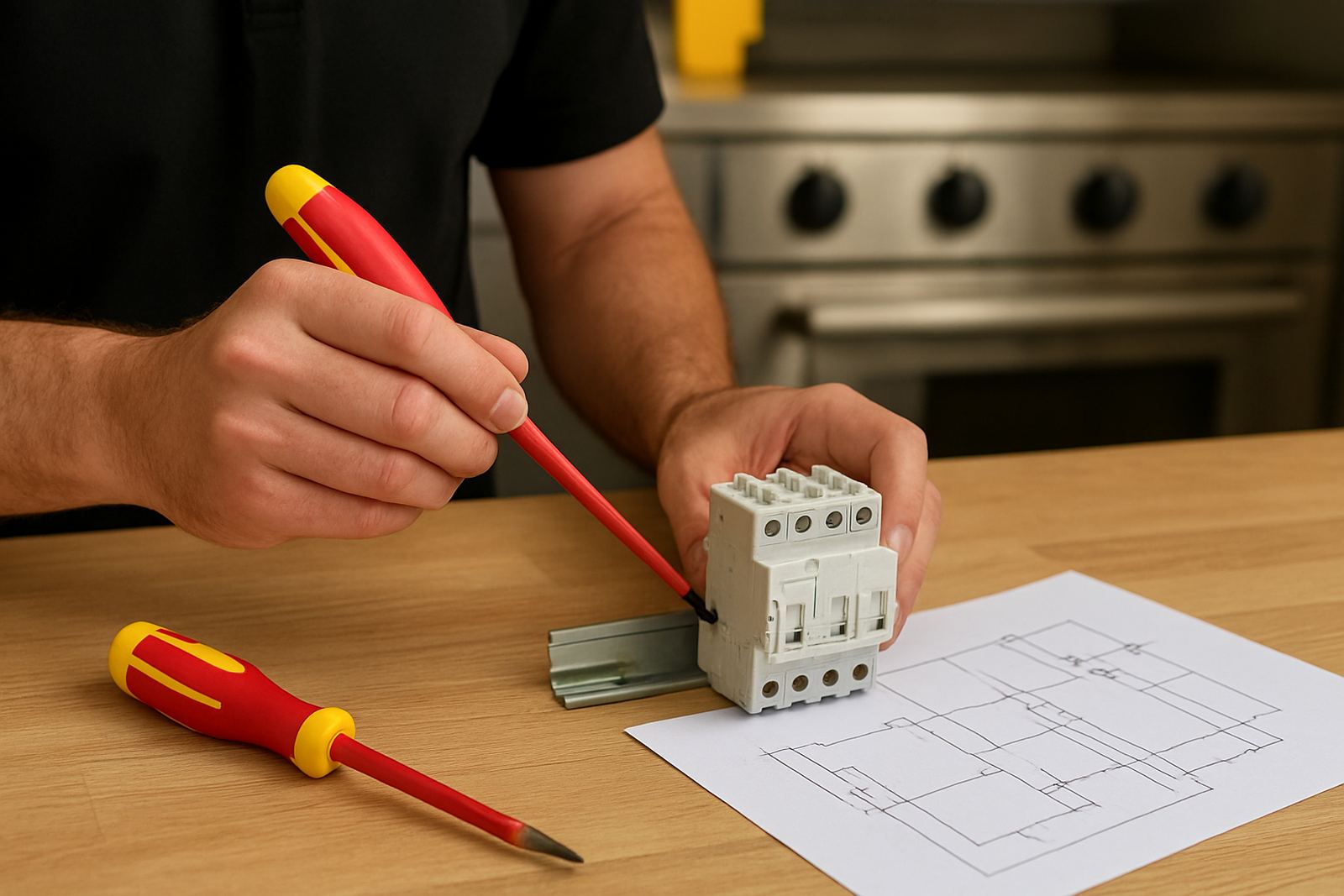
Probe sensors themselves do not use gas and they do not draw much power, but they are tied into the appliance control system. That means safe fitting is important. Isolate mains power first, and on gas equipment make sure the gas supply is shut off before opening panels or removing components. If the machine has a live fault, do not keep cycling it, because a damaged probe can send the unit into repeated lockout.
Fitting should be done by someone who can check the sensor position, wiring continuity and control response after installation. On some ovens and fryers, the probe is installed near hot surfaces and needs correct clipping or sealing so it does not move during operation. A loose cable can cause intermittent faults, and that one is hard to trace later.
- Switch off and isolate power before removal or fitting
- Confirm the probe sits in the same position as the original part
- Check controller readings after fit and test heat recovery
Care and servicing for longer service life
Probe sensors usually fail slowly rather than all at once. A kitchen may first notice temperature swings, delayed heating or fault codes before the part stops working completely. Keep the area around the probe clean, and avoid scraping it with metal tools during service. In fryer and oven use, grease build-up or sugar residue can affect how quickly the sensor responds.
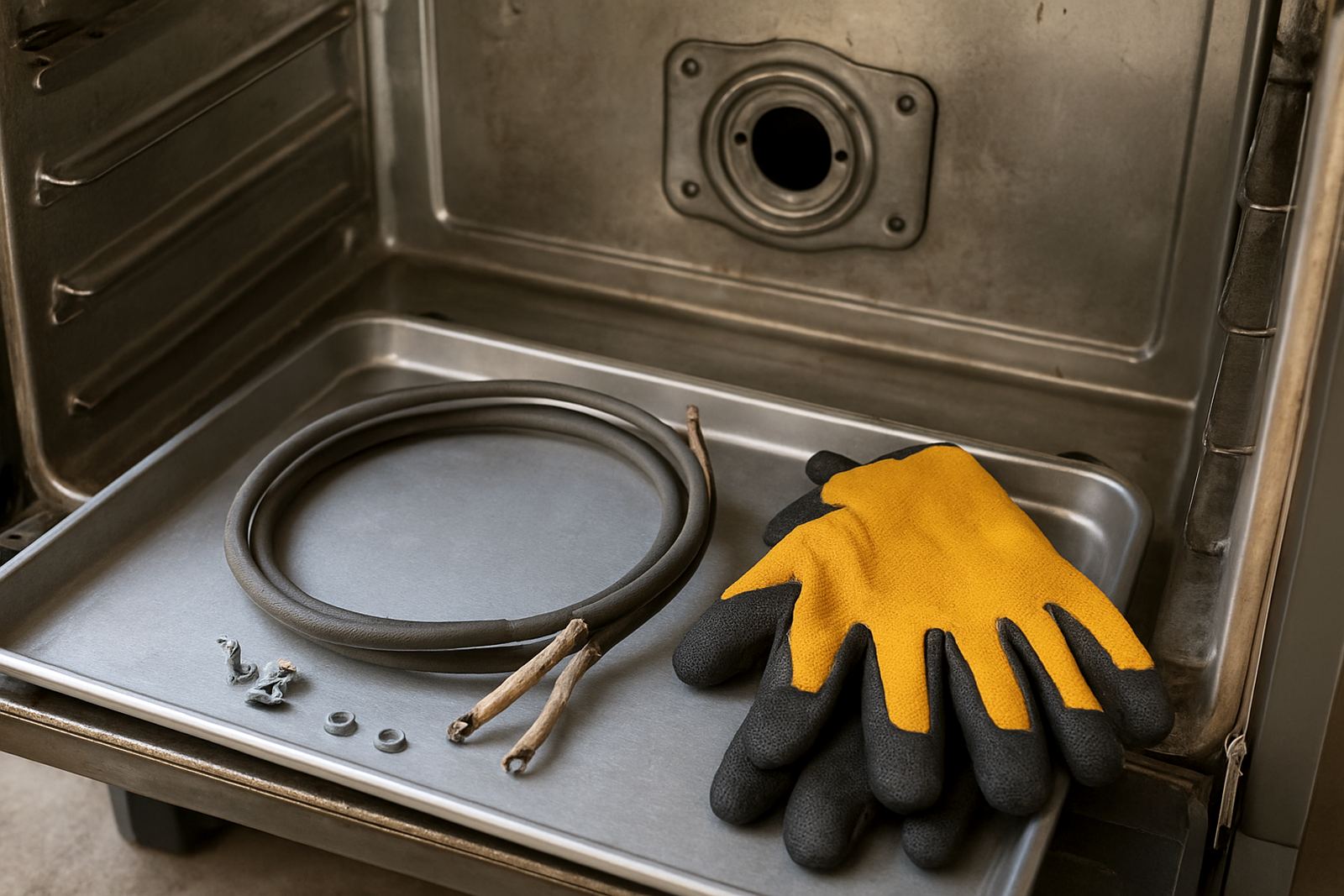
During routine maintenance, inspect the cable for hardening, cuts or burnt sections. Check the grommet or seal where the lead passes through the cabinet, because heat and cleaning chemicals can attack that point first. If a probe is replaced, it is worth checking terminals and plugs at the same time, otherwise the old connector can cause the same fault again.
What to check before you place an order
The safest way to order the right probe sensor is to work from the old part, the equipment model details or a clear photo of the label and connector. If the original part is not available, measure the probe and lead carefully and confirm the control type. A lot of time gets lost when only the appliance name is supplied and not the exact model or serial.
Send through as much detail as you can, then our team can help with compatibility and cross-checking. That is especially useful on older machines where previous repairs may have changed the wiring or fitting point.
- Appliance brand, model and serial number
- Probe length, tip style and cable length
- Connector photo, terminal type or plug shape
- Fault symptoms such as overheating, underheating or error codes
- Whether the unit is an oven, fryer, dishwasher or combi system
Key facts
| Product type | Temperature probe sensor for electronic controls |
|---|---|
| Typical use | Ovens, fryers, dishwashers and other heated equipment |
| Construction | Metal probe with insulated lead and connector |
| Length options | Short, medium and long probe and cable configurations |
| Fitment | Inline, threaded, clipped or plug-in depending on model |
| Supply notes | Used with mains-powered control systems, gas units still need gas isolation during fitting |