
What a limit thermostat does in your kitchen equipment
A limit thermostat is a safety cut-out fitted to commercial cooking and washing equipment. Its job is simple: if the appliance gets hotter than it should, the thermostat opens the circuit and shuts the heat down before the cabinet, tank, wiring or control parts take damage. On ovens it helps prevent runaway heat. On fryers it protects against low oil faults and blocked sensors. On dishwashers it guards against boil-over and heater faults that can trip the machine mid-service.
These parts are often called over-temperature cut-outs or safety thermostats. They are not the same as an operating thermostat that cycles heat up and down during normal use. A limit thermostat is there for fault protection, so if it keeps tripping there is usually a deeper issue such as poor airflow, failed contactors, a stuck relay, scale build-up, or a sensor sitting loose against the body.
Sizes, temperature ranges and fitting styles we stock
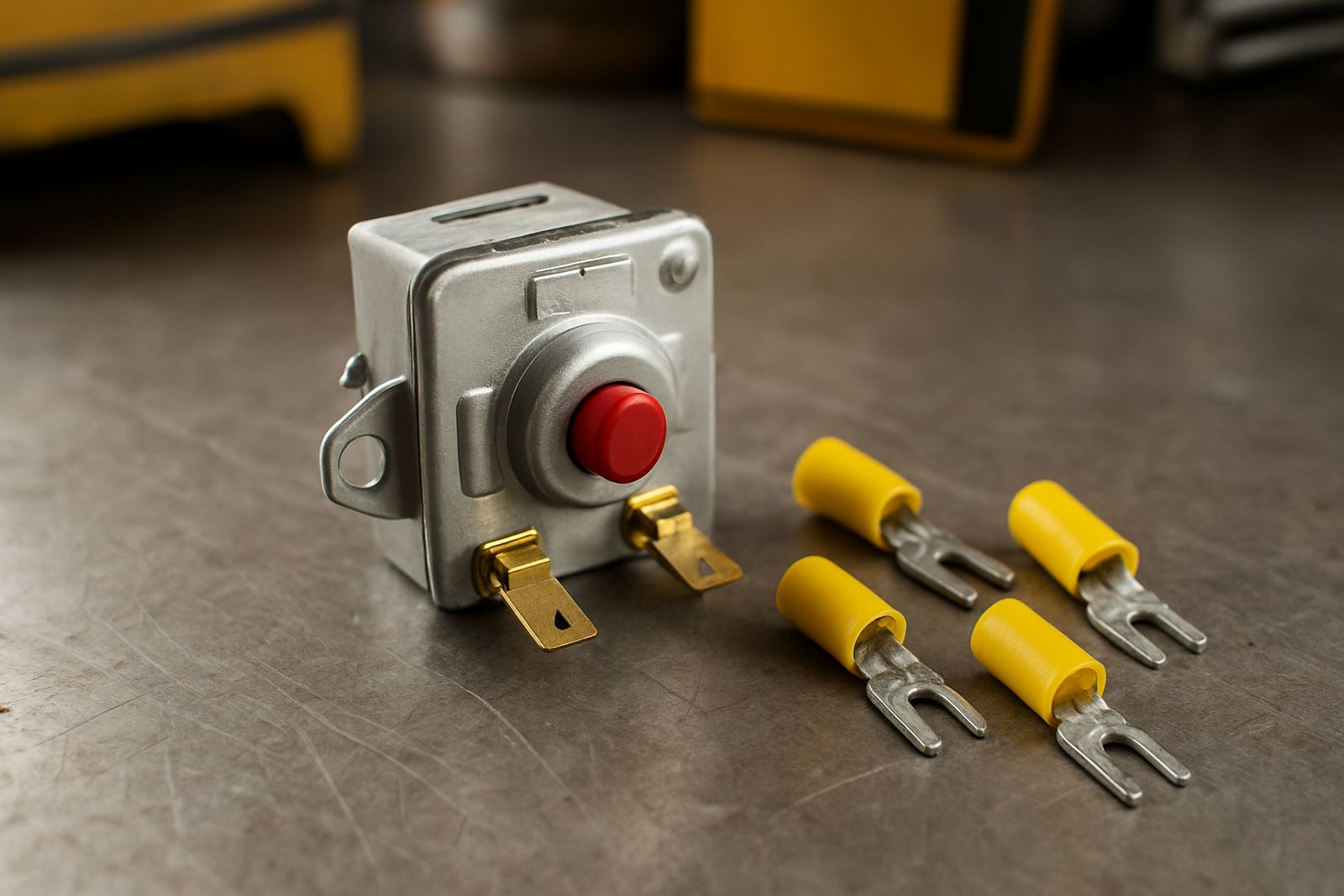
Limit thermostats are not one-size-fits-all. The important match points are the cut-out temperature, the reset type, the probe or sensing style, and the electrical rating. Some units are manual reset, which means a technician must press the reset button after the fault is fixed. Others are automatic reset and switch back in once the equipment cools. Manual reset types are common where a hard safety lockout is needed.
- Temperature ranges commonly used in commercial equipment: 90 °C to 250 °C
- Electrical ratings usually seen: 10 A to 16 A at 250 V AC
- Reset styles: manual reset or auto reset
- Sensing styles: capillary probe, surface mount, clip-on body or bracket mount
- Terminations: spade terminals, screw terminals, or wired harness types
We assist with part identification so the replacement matches the old unit’s dimensions and the way it mounts inside the appliance. A thermostat that is correct on temperature but wrong on probe length, fixing points or terminal layout can create more downtime than it solves.
Where limit thermostats are used most often
These safety parts are fitted across a wide range of hot and wet equipment in restaurants, hotels, canteens, bakeries and takeaways. Ovens use them near the cavity, top heat section or fan housing. Fryers often use them on the tank assembly or control box. Dishwashers may use them on the wash tank, booster heater or rinse heating circuit. If you run more than one site, it helps to keep the same part numbers on record so replacements are easier to order when a machine fails during service.
- Convection ovens and combi ovens
- Deep fryers and chip fryers
- Pass-through, undercounter and hood-type dishwashers
- Hot cupboards, bain maries and heated holding units
- Water boilers and certain steam-heated appliances
In coastal towns like Durban, humidity and salt air can corrode terminals faster. In high-use kitchens around Johannesburg, Pretoria and Midrand, the common issue is heat cycling and vibration working wires loose. Both conditions can lead to nuisance trips if the thermostat is already tired.
Installation and power checks before you fit the part
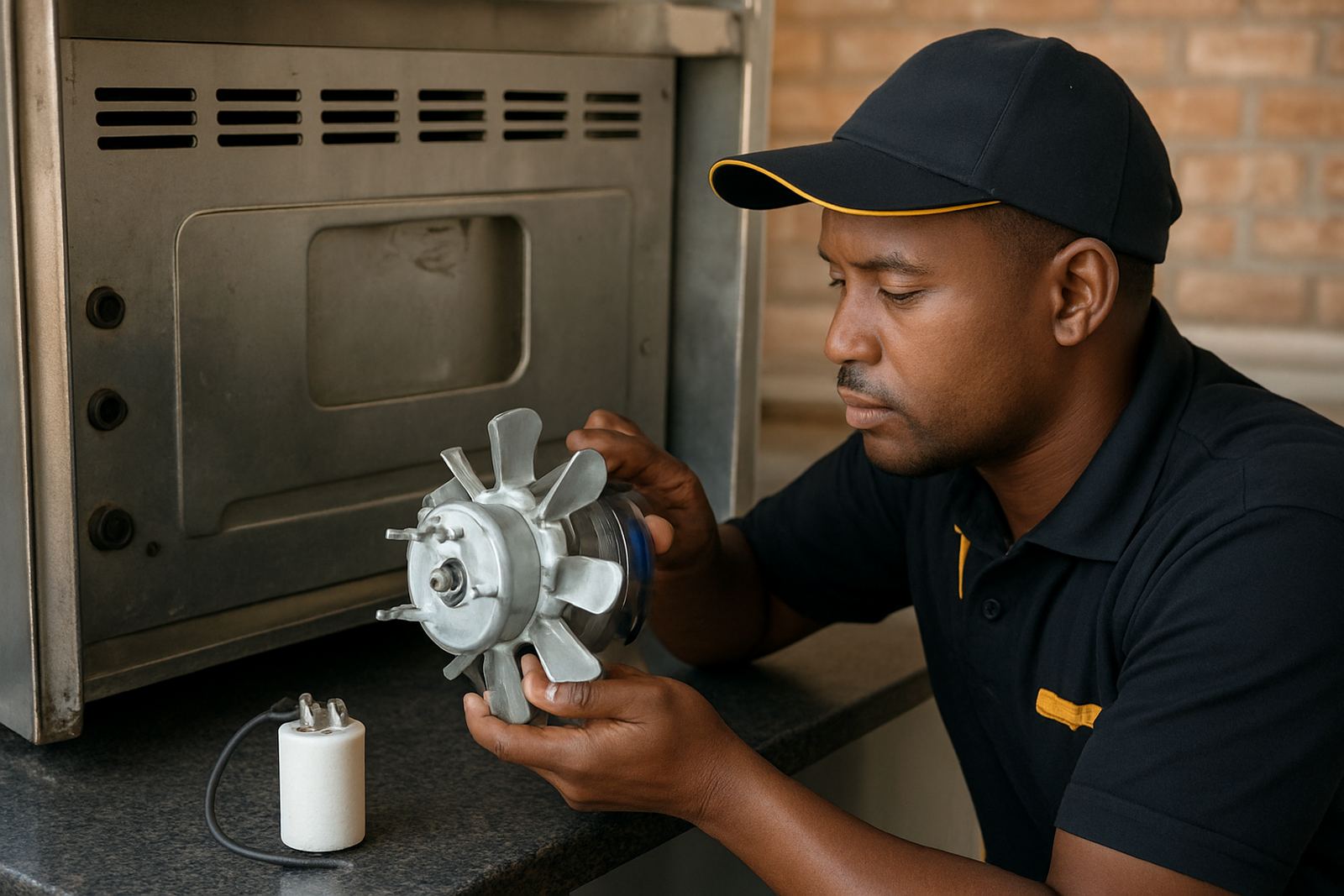
Before fitting a new limit thermostat, isolate the appliance fully and confirm the supply is dead. That includes single-phase and three-phase equipment, because live circuits can remain present at the control side even when the main switch is off. Check the heating element, the wiring, the relay or contactor, and the sensor position before replacing the thermostat. If the old part failed because a fan stopped, a pump blocked, or the water level dropped, the new one may trip again very quickly.
For electric units, make sure the rated current and voltage match the circuit load. For gas equipment, the thermostat may work alongside ignition or safety controls, so the full heat sequence should be checked after fitting. If a unit has a manual reset, confirm that the reset button is accessible and not tucked behind insulation or a hot panel. On some ovens the bracket position matters as much as the thermostat value itself, because a loose fit can read the wrong temperature and cause false shutdowns.
Care, servicing and signs the thermostat is wearing out
Limit thermostats do not need much day to day care, but they do need clean conditions and proper servicing around them. Keep terminals dry, remove grease build-up, and check that insulation blankets, loom ties and mounting screws have not shifted. In dishwashers, steam and detergent vapour can attack connectors. In fryers, fat mist can coat the sensing area and make the unit slow to respond. It is small things, but they add up over time.
Signs that the thermostat may be failing include random heat cut-outs, equipment that overheats before shutting down, a button that will not reset, or a unit that works again only after cooling for far too long. If the appliance trips only under heavy service, the fault may be heat related rather than a dead part. We can help test the likely cause before you replace the wrong component.
- Clean terminals during routine service
- Check wire spades for heat discoloration
- Inspect for scale, grease and steam damage
- Test the reset action after repair
What to check when ordering a replacement thermostat
To order the correct limit thermostat, please check the old part carefully before sending details. The cut-out temperature is important, but so is the physical fit. A clear photo of the front, side, terminals and any numbers stamped on the body helps a lot. If the label is gone, measure the probe length, body size and fixing hole spacing. Also note whether the thermostat is manual reset or auto reset, because the wrong reset type can change how the appliance behaves in a fault condition.
- Appliance make, model and serial number if available
- Cut-out temperature and reset type
- Probe length, capillary length or surface mount style
- Terminal layout and mounting bracket shape
- Where the part sits inside the appliance
If you are unsure, send the old unit to our Midrand depot for comparison. Our team handles part identification and compatibility checks for kitchens across South Africa, with dispatch to Johannesburg, Pretoria, Durban, Cape Town and Bloemfontein.
Midrand dispatch and support for commercial kitchens
FoodServ Parts Store supplies limit thermostats nationally from Midrand, with support from a team that understands busy service kitchens and repair turnaround pressure. Whether you are replacing a safety cut-out on one oven or stocking spares for a multi-site operation, we can help match the right part and keep the job moving. We also assist with element fitting, thermostat fitting, gasket fitting, burner fitting, dishwasher part fitting, onsite parts support and post-fit testing when needed.
If a heat fault is causing repeated shutdowns, it is worth sorting the source early. A good thermostat protects the machine, but it also needs the rest of the system to be in order. That is where proper checking saves time and keeps your equipment in service longer, with less back-and-forth and fewer callouts.
Key facts
| Product type | Safety cut-out thermostat for commercial heated equipment |
|---|---|
| Typical cut-out range | 90 °C to 250 °C |
| Electrical rating | Usually 10 A to 16 A at 250 V AC |
| Reset styles | Manual reset or auto reset |
| Common fits | Ovens, fryers, dishwashers and holding equipment |
| Dispatch base | Midrand, with national coverage |