What a fryer element does in daily service
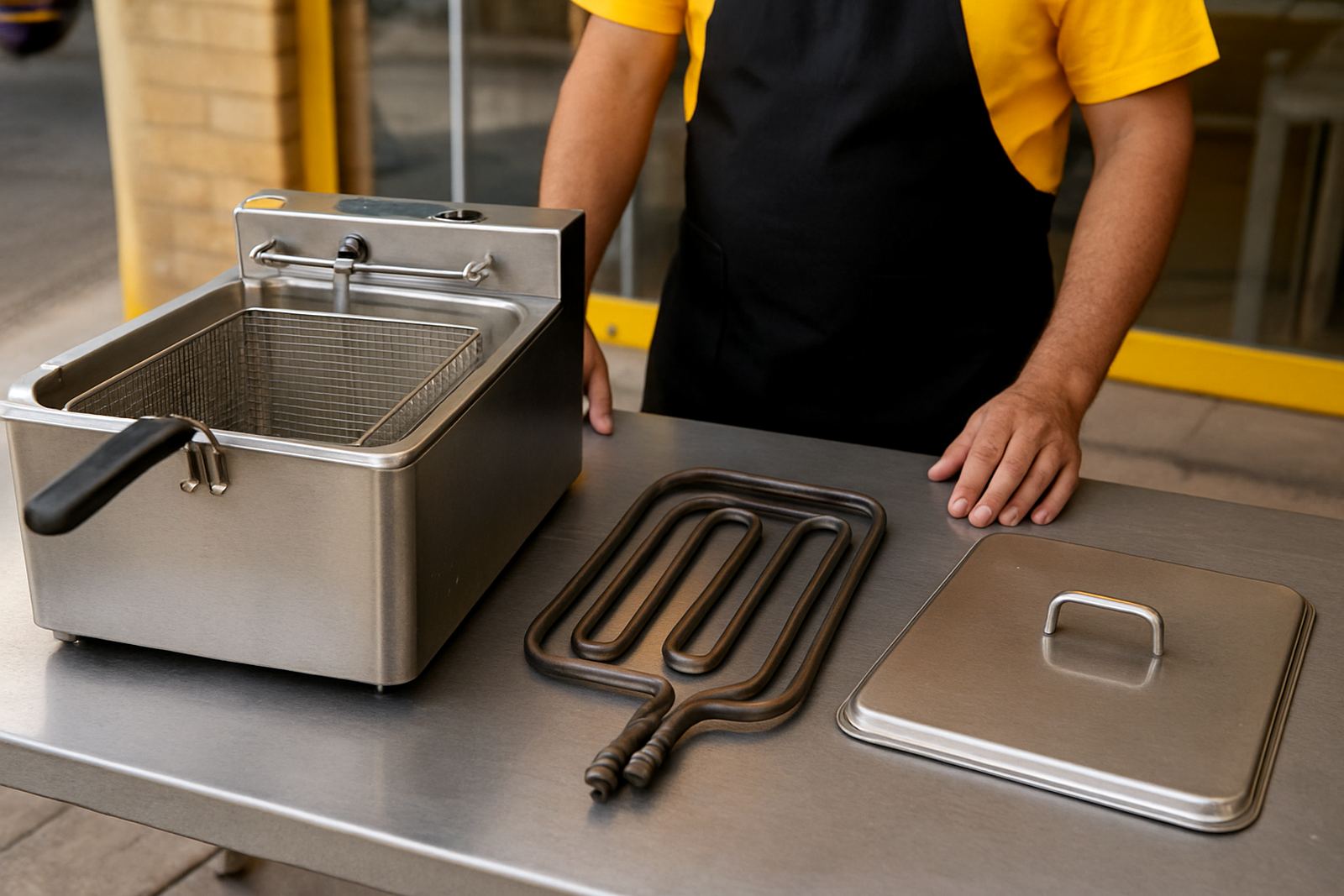
A fryer element is the heating part inside an electric fryer that brings oil up to cooking temperature and keeps it steady through service. In a commercial kitchen that means quicker recovery after basket loads, more even frying and less waiting between orders. When an element weakens, the fryer can heat slowly, trip the supply, or leave the oil sitting below target for too long.
These elements are normally used in electric countertop or floor-standing fryers, especially where gas is not practical or where extraction and service space are limited. They are common in canteens, takeaways, hotel kitchens, school kitchens and production lines handling chips, chicken, vetkoek and other fast-turn menu items. In coastal areas, moisture and salt air can add corrosion pressure, so the element terminals and seals need regular checks.
Sizes, bends and power ratings that must match
Fryer elements are not one-size-fits-all. The bend shape, mounting points, immersion depth, terminal position and wattage all need to match the fryer tank. A 6 kW element will behave very differently to a 9 kW or 12 kW unit, and the wrong fit can cause hot spots, poor recovery or repeated failures. We help match the part against the fryer make, model, tank size and old part number where available.
- Common power ratings: 3 kW, 6 kW, 9 kW and 12 kW
- Supply options: 230 V single phase or 400 V three phase, depending on fryer design
- Material choices: stainless steel sheathed elements for oil immersion use
- Mounting styles: flange mount, bolt-on or hinged assemblies on some models
- Length and reach: short, medium and deep tank versions for different oil levels
If you are unsure about the old part, send a photo of the element, the fryer rating plate and the terminal layout. That gives us a good starting point for compatibility checks, and avoids unnecessary back-and-forth on a busy week.
Where fryer elements suit best in South African kitchens
Electric fryer elements are suitable where the kitchen runs steady frying volumes and needs predictable temperature control. They suit chip shops, burger bars, hotel banqueting kitchens, school feeding schemes, forecourt kitchens and central production units. They also work well where gas certification, cylinder storage or municipal ventilation rules make gas equipment less practical.
- High-output frying lines with repeat basket loads
- Sites with limited gas access or no approved gas cage space
- Enclosed kitchens needing tighter heat control and simpler installation
- Operations that need easy cleaning around fixed cooking stations
- Sites in Midrand, Johannesburg, Pretoria, Durban, Cape Town and Bloemfontein needing quick dispatch
In load-shedding prone areas, the fryer itself may be connected to backup power, but the element still has to suit the actual supply quality. A fryer that is undersized for the current load will struggle on long shifts, especially when staff are dropping frozen product and trying to keep the oil at temperature.
Installation checks before power is switched on
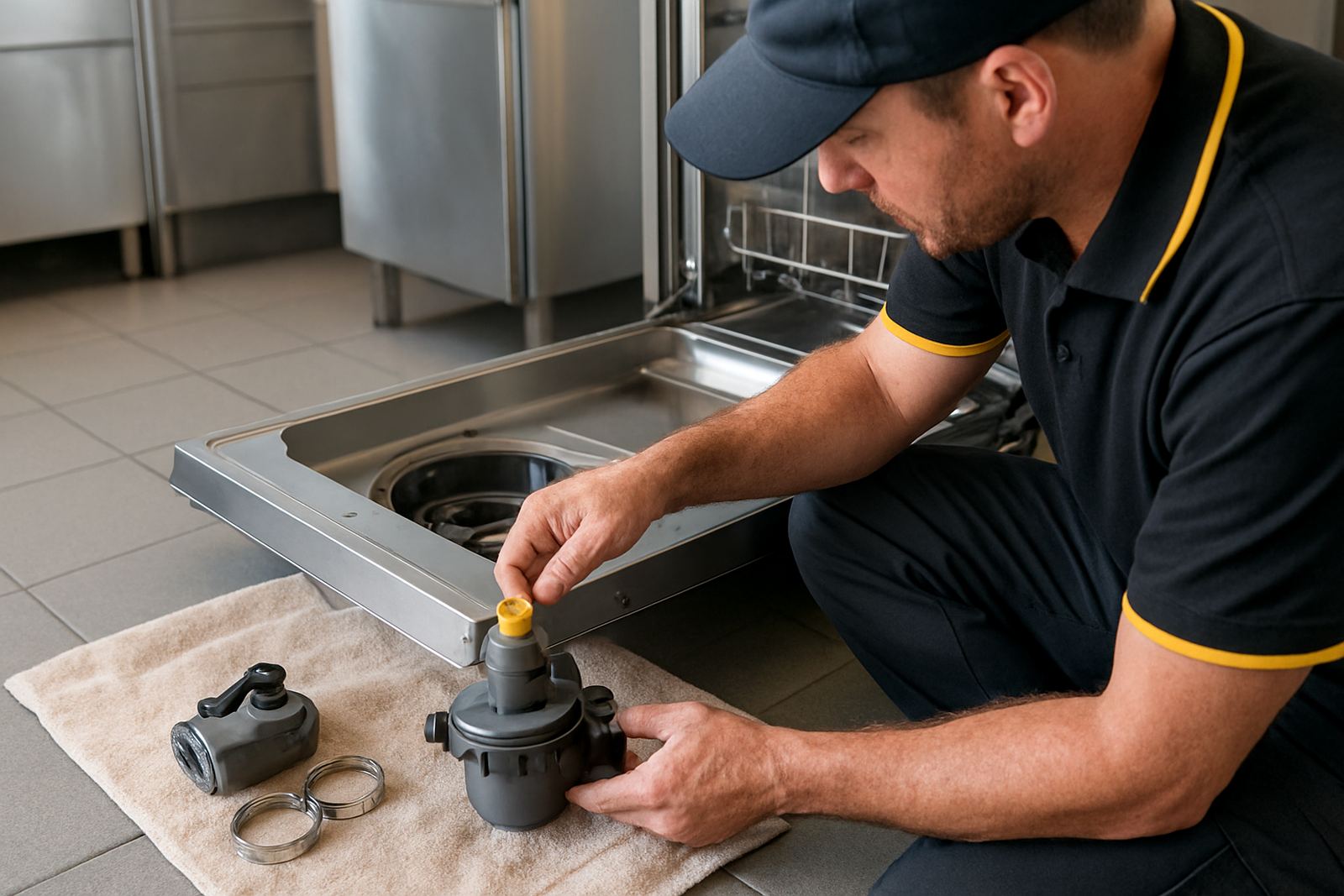
Before fitting a new element, the fryer should be isolated at the main supply and tested for correct voltage, continuity and earth integrity. The new part must sit fully in the oil path and clear the tank wall, thermostat pocket and high-limit sensor. If the terminals are loose, heat can build up at the connection point and cause nuisance trips or burnt wiring.
For electric fryers, installation is not only about the element itself. The supply cable, plug top or hardwire connection, isolator and breaker must suit the element rating. A fryer drawing 9 kW on a weak line can show slow heat-up and repeated breaker issues, especially where other kitchen appliances are running at the same time. We can assist with element fitting, thermostat fitting and post-fit testing so the fryer is returned to service properly.
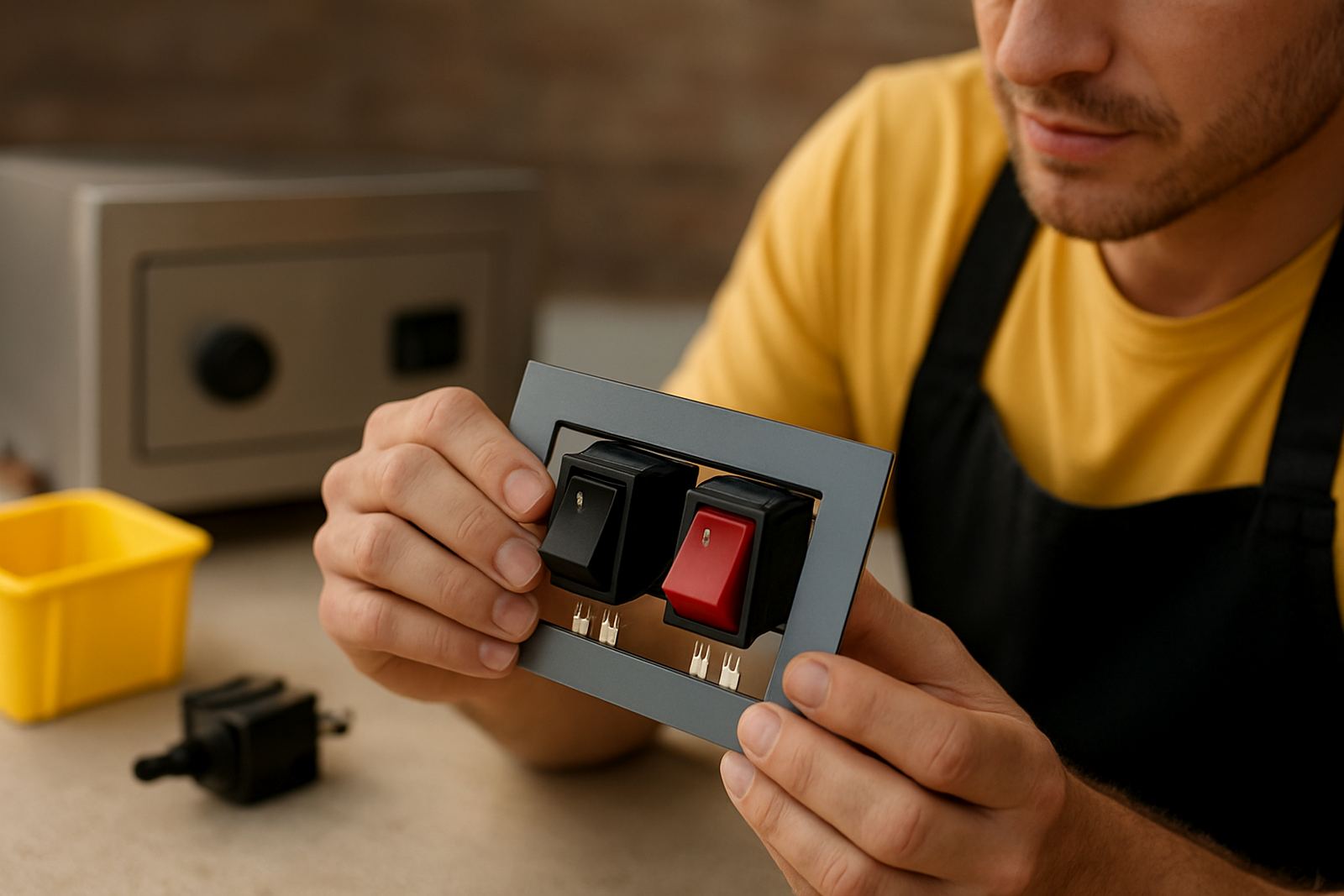
On gas fryers the heating element is not used, but the same ordering process still applies to electric models in mixed kitchens. If the fryer has a control panel with switches or indicator lamps, those parts should be checked at the same time because a failed switch can look like an element fault.
Care that keeps the element and oil cleaner for longer
Good care starts with clean oil and a fryer tank that is not filled above the marked line. Carbon build-up on the element slows heat transfer and can shorten life. Wiping down splashed oil, filtering on schedule and checking for sediment under the element all help. If the element is blackened or pitted, it is usually worth checking the oil management routine at the same time.
- Do not run the fryer dry, even for a short test
- Keep batter crumbs and loose food out of the oil
- Inspect the element after deep cleaning for signs of warping or scale
- Check terminals for heat discolouration and loose connectors
- Replace damaged gaskets, seals and thermostat probes during the same service visit
In humid coastal kitchens, store spare elements in a dry place and do not leave them unpacked near salt air. Small corrosion marks on terminals can become connection problems later, so it pays to fit parts before they sit around too long.
What to check when ordering the correct part
The easiest way to order the right fryer element is to check the fryer plate, the old element and the wiring layout before you call. If the appliance has already failed, send clear photos of the tank, the mounting flange and the control area. We can then confirm whether the unit needs only the element or whether there is also a thermostat, switch or wiring issue.
- Fryer make and exact model if available
- Voltage and wattage shown on the rating plate
- Mounting style and flange hole spacing
- Element length, bend shape and immersion depth
- Terminal type, cable position and earth point
- Whether the fryer is single phase or three phase
Our parts team works from Midrand with national online support, and we regularly assist customers in Johannesburg, Pretoria, Durban, Cape Town and Bloemfontein. If the fryer is in a busy service kitchen, send the details early in the day so we can reduce downtime and keep the right spare moving quickly.
Key facts
| Product type | Immersion heating element for electric commercial fryers |
|---|---|
| Typical power ratings | 3 kW to 12 kW, depending on fryer size and supply |
| Supply type | 230 V single phase or 400 V three phase |
| Material | Stainless steel sheathed element for oil immersion |
| Common fits | Countertop and floor-standing electric fryers |
| Support options | Part identification, compatibility checks, fitting and post-fit testing |